



The Perfect Recipe for a Catchphrase
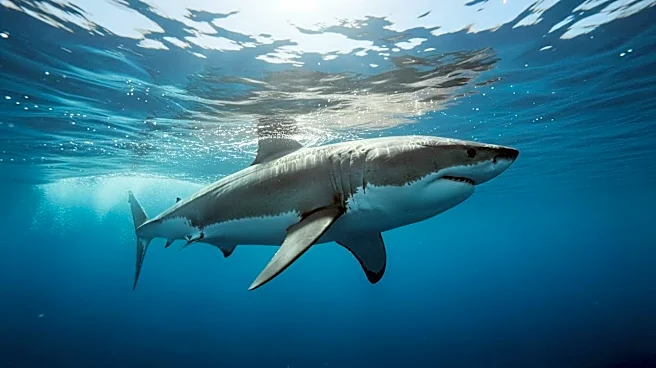
The summer blockbuster has been a cultural institution since "Jaws" made audiences terrified of the water back in 1975. These films are engineered for maximum impact. They arrive with enormous marketing budgets, star-studded casts, and high-concept plots
that are easy to grasp. Historically, summer was a slow season for Hollywood until air-conditioned theaters became a welcome escape from the heat. Studios learned to save their biggest, most accessible spectacles for these months when families and students have more free time. This creates a unique cultural space where a massive, diverse audience experiences the same story at the same time. This communal viewing is the perfect incubator for a shared language. The stories are often mythic tales of good versus evil, underdogs rising, or families uniting against impossible odds—universal themes that resonate across demographics and produce simple, powerful lines.
Brain Hooks and Simple Truths
A memorable line isn’t an accident; it’s a masterclass in cognitive efficiency. Psychologically, the best catchphrases are simple, rhythmic, and emotionally charged. Think of the straightforward determination in “Just keep swimming” from "Finding Nemo" or the defiant unity of “Goonies never say die!” These lines often distill a complex character motivation or a central theme into a few unforgettable words. Researchers have found that the most memorable quotes often use simple, common words in a slightly unusual but grammatically straightforward way, making them both easy to recall and fun to repurpose in new contexts. The delivery is just as critical as the words themselves; the actor's unique intonation, a dramatic pause, or the sheer emotional force of the moment can burn a line into our collective memory.
From Trailer to T-Shirt
Long before a summer movie hits theaters, its most potent lines are already being workshopped and market-tested. Studios know a good catchphrase is a powerful marketing tool. They strategically place potential hits in trailers, knowing that repetition is key to memorability. A line heard half a dozen times in previews becomes familiar, a piece of verbal shorthand that already feels like part of the culture by opening weekend. Disney, a master of this, used a key musical phrase from “Part of Your World” in teasers for "The Little Mermaid" to activate nostalgia and build anticipation. This pre-release exposure primes the audience to recognize and latch onto the line during the film. Afterward, it lives on through merchandise, solidifying its status as a piece of pop culture currency you can wear on a t-shirt or see on a coffee mug.
The Social Media Echo Chamber
If the summer blockbuster provides the spark, social media is the gasoline. In the past, a catchphrase spread on the playground or around the office watercooler. Today, it explodes globally in seconds. A powerful monologue like America Ferrera’s in "Barbie" doesn't just earn applause in the theater; it becomes a viral TikTok sound used in millions of other videos. A punchline from a superhero movie becomes an instant GIF or reaction meme on X (formerly Twitter). This digital echo chamber amplifies a line’s reach exponentially, divorcing it from its original context and turning it into a flexible tool for online communication. This addresses the "still" in the headline's question: while our media consumption is more individualized than ever, social media creates new, massive virtual communities that can collectively seize on a single line, giving it a life and a reach that rivals, and perhaps even exceeds, the catchphrases of previous generations.