





The Allure of Opulence
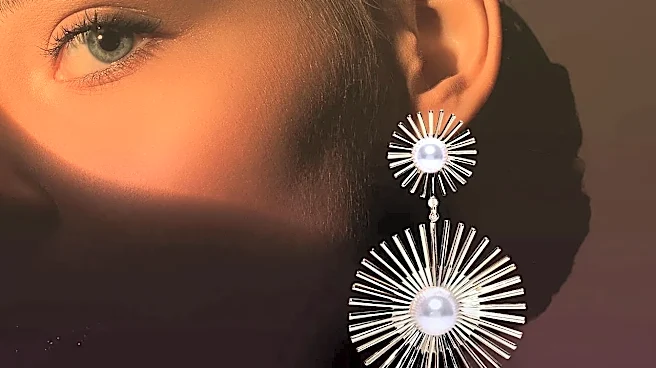
In the visual language of fantasy, accessories are rarely just accessories. A heavy, ornate earring can signify royal blood, immense wealth, or a connection to ancient magic. Think of the powerful statement pieces worn by the Targaryens in 'House of the Dragon'
or the intricate designs that adorn the elves of 'The Rings of Power'. This jewelry helps build the world, conveying status and character without a single line of dialogue. The sheer scale and supposed weight of these pieces are meant to look impressive and important. But what looks powerful on screen can be a significant burden for the actor who has to wear it for hours on end.
The Reality of Gravity
The problem is simple physics. If those fantastical earrings were made from solid gold, silver, and genuine stones, they would be incredibly heavy. Wearing such items for a 12-hour shooting day would lead to more than just discomfort; it could cause headaches, strained neck muscles, and even permanently stretched earlobes. Prop masters and costume designers are tasked with an interesting challenge: create accessories that look believably heavy and opulent but are comfortable and safe for actors to wear repeatedly. An actor distracted by pain can't deliver their best performance, so solving the weight issue is crucial for the entire production.
Masters of Material Illusion
This is where the magic of prop-making comes in. Instead of precious metals and heavy gems, designers turn to a variety of lightweight doppelgängers. Resins, plastics, and modern polymers like Worbla are favorites in the industry. These materials can be molded into intricate shapes, 3D printed for precision, and then expertly painted to mimic the appearance of aged bronze, gleaming silver, or radiant gold. A technique called 'cold casting' involves mixing metal powders with resin to give a piece the authentic sheen and surface texture of real metal without the mass. Lightweight woods and acrylics are also common, allowing for bold, large-scale designs that are surprisingly easy to wear.
A Hidden Support System
Even with lightweight materials, some designs are so large that they still need extra help. This is where clever engineering comes into play. Many of the most dramatic 'earrings' aren't supported by the earlobe at all. Instead, they might be attached to a hidden ear cuff that distributes the weight across the entire ear. Sometimes, a fine, transparent filament (like fishing line) runs from the earring up into the actor's hair, where it's anchored with a bobby pin or clip. For other pieces, strong, tiny magnets placed on either side of the earlobe hold the accessory in place without any piercing. In some cases, parts of an elaborate headpiece and earring are a single, integrated unit with a support structure hidden beneath a wig or hair.
Comfort is King (and Queen)
Ultimately, these behind-the-scenes tricks are all in service of the story. When an actor is comfortable, they can fully inhabit their character. Costume designers work closely with performers to ensure that every piece, no matter how grand, is functional. Adjustments and modifications are a constant part of the process. A prop might look perfect, but if it's impractical or causes discomfort during a stunt or an emotional scene, it has failed its primary job. The seamless integration of these lightweight, cleverly supported accessories is a testament to the unsung artistry of prop and costume departments.