







The Comfort of Knowing What's Coming
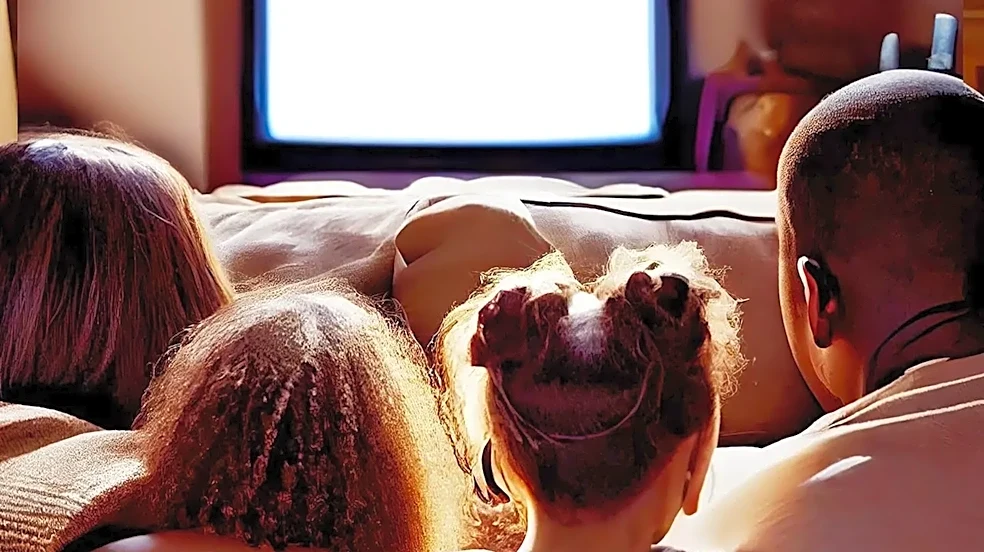
For a young child, the world is a dizzying stream of new information. Repetition creates a sense of safety and predictability in a life that is otherwise full of surprises. When a child rewatches a movie, especially one with a scary villain, they already
know the outcome. They know that no matter how menacing Ursula seems or how cunning Scar is, the heroes will prevail. This predictability is comforting. It transforms a potentially frightening experience into a manageable one, giving them a feeling of control over the narrative and their own emotional response. Knowing what happens next allows them to brace for the scary parts and revel in the triumphant moments, which reinforces their sense of security.
A Safe Rehearsal for Big Feelings
Halloween villains, from Captain Hook to Maleficent, are designed to be just scary enough. This concept is often called a 'safe scare'. The experience provides a little jolt of fear and excitement, but in a controlled environment where the child knows they are not in any real danger. Rewatching allows them to revisit these feelings of fear, suspense, and ultimately, relief. Each viewing is like a practice run for managing their emotions. They learn to anticipate the physiological rush of a jump scare and the calming feeling of resolution that follows. This process is a form of emotional exercise; it helps them build resilience and learn how to regulate their fear response, a critical skill for navigating real-world anxieties.
Mastering the Story and Its Lessons
Children's movies are often more complex than adults give them credit for. The first time a child watches a film, they're likely just trying to keep up with the basic plot. Subsequent viewings allow them to dig deeper. They start to pick up on character motivations, subtle jokes, and visual details they missed before. This isn't just passive consumption; it's an active process of learning and mastery. With each rewatch, their understanding of the story solidifies, strengthening the neural pathways in their brain related to memory and comprehension. This sense of mastery boosts their confidence. They feel smart for predicting lines of dialogue or explaining the plot to a family member, which is an empowering experience for a young mind.
Learning by Watching Others
According to social learning theory, children learn a great deal by observing the behavior of others, including fictional characters. When they see protagonists confront a villain, they aren't just being entertained; they are learning social scripts for how to deal with conflict, injustice, and fear. Rewatching reinforces these lessons. They observe how heroes act with courage, how they work together to overcome obstacles, and how they ultimately defeat the 'bad guy.' This provides a model for their own behavior. By identifying with the heroes, they can internalize positive traits like bravery and perseverance. The villain, in turn, provides a clear, if simplified, example of behaviors to avoid, helping them build a foundational understanding of social norms and morality.