



Defining the 'Disruptive Detail'
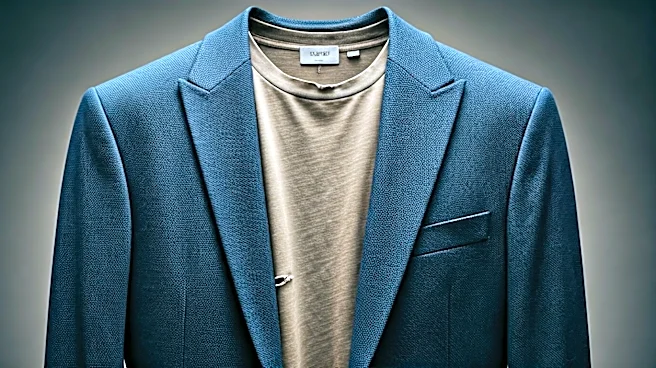
Let’s be clear: a disruptive detail is not a wardrobe malfunction or a desperate plea for the “worst dressed” list. It’s a calculated, intelligent, and often subtle choice that intentionally breaks the established code of formalwear. Think of it as a single,
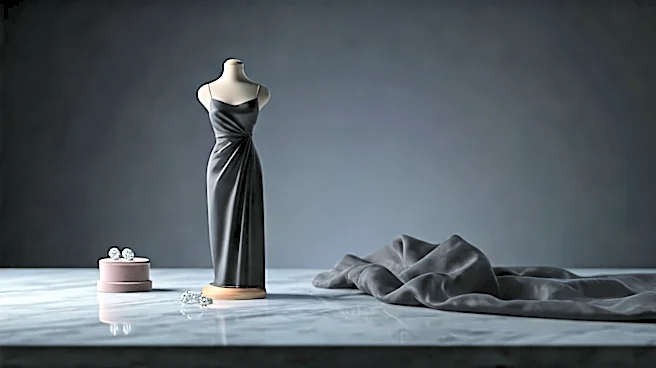
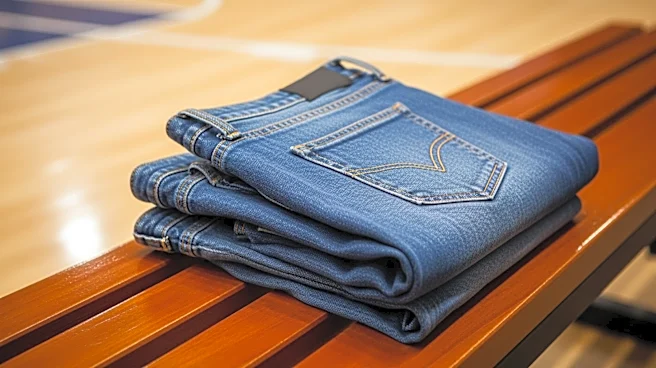
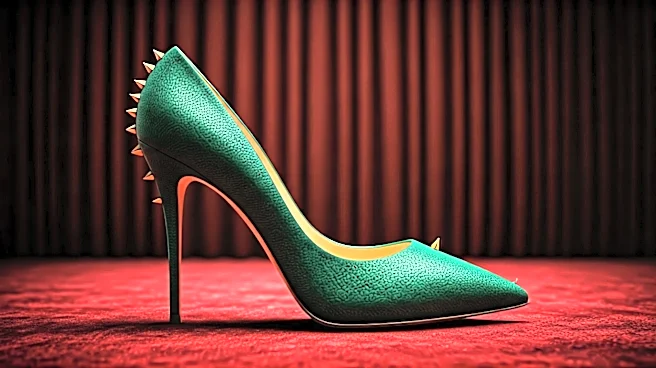
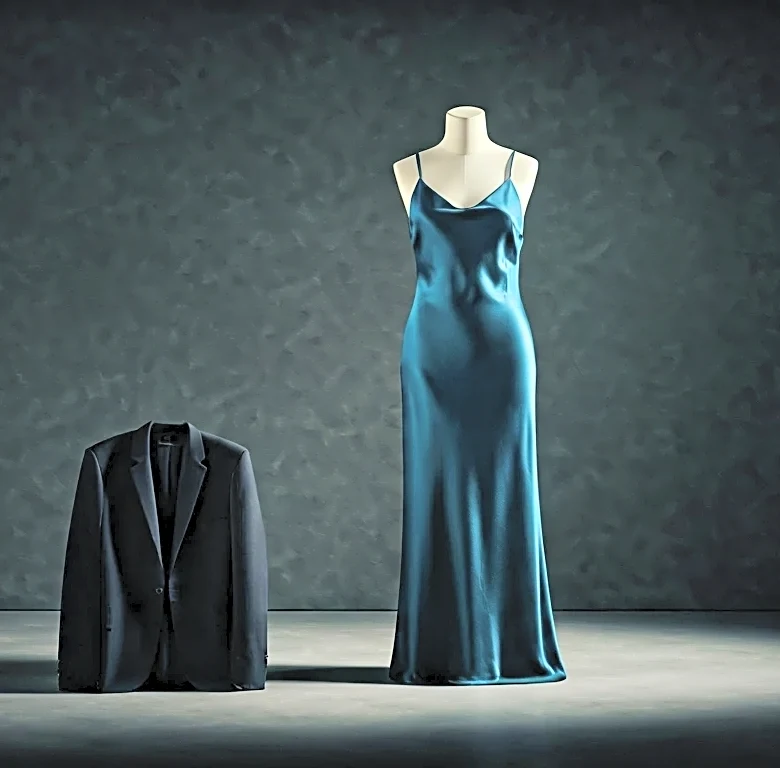
confident wink in an otherwise serious outfit. It’s Kristen Stewart kicking off her Louboutins on the Cannes steps. It’s Timothée Chalamet’s backless Haider Ackermann top at the Venice Film Festival. It’s not chaos; it’s controlled, sartorial commentary. The disruptive detail can be an accessory that feels slightly “off” (like a single, strange earring), a silhouette that defies traditional flattery, or a texture that seems out of place (denim with diamonds, anyone?). It’s the sartorial equivalent of a record scratch in a silent room—it makes you stop, look closer, and, most importantly, think. It separates the wearer from the dress, transforming them from a mannequin into a person with a point of view.
The Power of the Single Swerve
Why is this single gesture so powerful? Because it signals supreme confidence. Anyone can follow the rules. A stylist can pick a universally flattering gown, a jeweler can provide a flawless diamond necklace, and a glam team can create a perfect face. Adhering to the black-tie standard is easy. It’s safe. But true style icons understand that safety is boring. By including one disruptive element, a celebrity communicates that they understand the rules of the game so well that they know precisely which one to break for maximum effect. It shows they are not just a passive participant in the pageantry but an active author of their own image. It’s a power move that says, “I respect this institution, but I am not defined by it.” In the hyper-curated world of Hollywood, where every move is scrutinized, this small act of aesthetic rebellion feels authentic and deeply modern. It’s the difference between wearing a costume and wearing an outfit that tells a story.
Case Studies in Chic Disruption
The masters of this art form are legion. Tilda Swinton is the high priestess, constantly playing with androgyny, surrealist accessories, and silhouettes that prioritize art over conventional beauty. Remember her Schiaparelli hat at Cannes? It was less a piece of headwear and more a piece of sculpture, a detail that forced you to reconsider the entire look. More recently, Zendaya has perfected the art with her longtime stylist Law Roach. Her turn in a custom Loewe gown featuring a metallic plate of a tennis player for the “Challengers” premiere was a masterclass. The dress itself was elegant, but the disruptive detail—the hyper-literal, on-the-nose athlete silhouette—made it a viral, unforgettable moment. Similarly, when Cate Blanchett repurposed a past awards-show gown or re-wore parts of her archive, the disruption was conceptual. The message was sustainability and a rejection of the disposable nature of red carpet fashion—a quiet but powerful statement that resonated far beyond the festival circuit.
Why It Matters in the Instagram Age
In today’s media landscape, an outfit has a lifespan of about five seconds as users scroll through their feeds. A perfectly pretty but generic gown gets lost in the digital noise. A disruptive detail, however, is sticky. It’s the element that stops the scroll. It’s the screenshot that gets shared, the tweet that gets written, the headline that gets clicked. It’s an organic marketing tool for the celebrity’s personal brand. This single, memorable element ensures the look isn't just seen; it's discussed. It becomes a conversation starter, lodging itself in the cultural consciousness in a way that head-to-toe perfection rarely does. In a world saturated with images, being interesting has become far more valuable than being flawless. The disruptive detail isn’t just good style; it’s a brilliant survival strategy in the attention economy.