




Acknowledge the Gravity of a Star
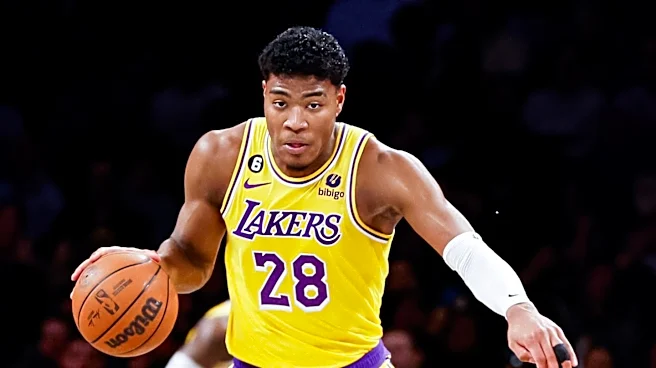
Let’s be honest: this movie is being made, in large part, because Dwayne “The Rock” Johnson wanted to make it. He’s not just an actor reprising a role; he’s a producer and the gravitational center of the project. In Hollywood, that kind of star power
bends stories toward it. The biggest mistake the film could make is pretending this isn't the case. Instead of fighting it, the filmmakers, led by 'Hamilton' director Thomas Kail, must harness it. The script needs to treat Maui’s larger-than-life presence—and by extension, Johnson’s—as a narrative force. He is not just Moana's reluctant companion; he is the first and greatest obstacle to her own self-actualization. His charisma shouldn't just be fun for the audience; it should be an overwhelming force that Moana, a teenager trying to find her own voice, must learn to manage, counter, and ultimately steer.
Make His Ego Her Proving Ground
In the 2016 animated classic, Maui's arrogance is a source of comedy and conflict. The live-action version can and should push this further. His ego shouldn’t be a quirk; it should be the central engine of Moana’s growth as a leader. When she finds him, he shouldn't just be a self-absorbed scene-stealer. He should be genuinely dismissive, a wall of celebrity self-importance that she has to break through not with force, but with intelligence and resolve. Her heroism is defined by her ability to handle this walking mountain of a man who believes the world revolves around him. Every time she outsmarts him, convinces him, or stands up to him, her status as the hero is reinforced. His song, “You’re Welcome,” shouldn't just be a catchy tune; it should be the ultimate mission statement of an ego she must learn to navigate for the good of her people. His journey of rediscovering his own heroism is secondary to her journey of discovering hers for the first time.
Lean into His Vulnerability
The most powerful moments with Maui are when the facade cracks. The story of his tragic backstory, told through his animated tattoos, and his terror at facing Te Kā without his hook are what make him more than a cartoon strongman. A live-action film has the space to explore this vulnerability more deeply. Johnson himself has said he wanted the remake to embody Maui's vulnerability, seeing the character as a tribute to his grandfather, High Chief Peter Maivia. The key is to frame these moments through Moana’s perspective. We should see his insecurity as she sees it. This positions her as the empathetic core of the story. She isn’t just being dragged along by a powerful demigod; she is the one who sees the broken person beneath the bravado and, through her own strength, helps him begin to heal. His character arc doesn't belong to him; it’s a story point that serves her development.
Keep Him Firmly in a Supporting Role
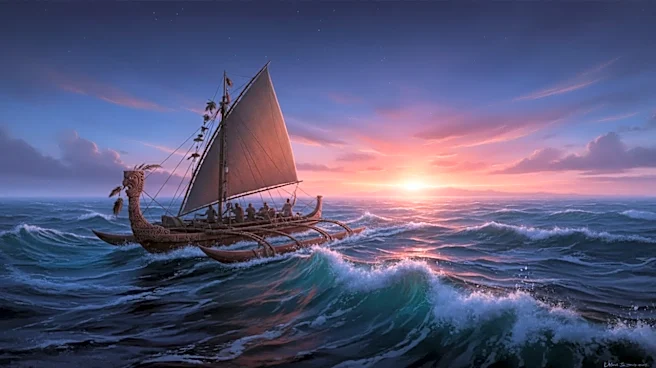
This might seem obvious, but in practice, it’s a difficult balancing act. It comes down to narrative structure and screen time. The movie must give Moana, played by newcomer Catherine Laga‘aia, her own space to thrive. This means more solo scenes on the boat, more moments where she solves problems without his divine intervention, and ensuring the film's climax is unequivocally her victory. When she restores the heart of Te Fiti, it is because of her own courage, wisdom, and connection to the ocean. Maui’s role in that final confrontation is to get her there and then get out of the way. His contribution is vital, but hers is definitive. The demigod can help clear the path, but the wayfinder must chart the course. His final, genuine “you’re welcome” should land not as a boast, but as a quiet acknowledgment that he has finally seen her for the hero she truly is.