




More Than Just a Lucky Guess
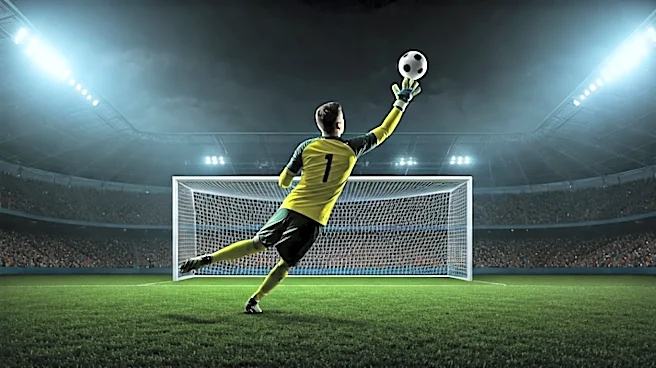
To the casual observer, a goalkeeper facing a penalty kick seems to be engaged in a hopeless guessing game. The ball travels from the spot to the goal line in less than half a second, far too fast for a human to react once it's struck. So, the keeper has
to commit to diving left or right before the kick is even taken, right? Not exactly. While luck is a factor, elite goalkeepers aren't just flipping a coin. They are expert bluffers, calculating psychologists, and diligent researchers. Their actions in the seconds before the kick are a masterclass in trying to swing the odds, which heavily favor the shooter, back in their direction. They study a shooter's history, knowing which side they favor. But when that data fails, they have to read the player in real-time.
Reading the Shooter's Body
Before we get to the keeper's secret, it’s important to understand what they're looking for. The goalkeeper is reading the shooter’s body language like a poker player reads an opponent's 'tell.' They watch the angle of the run-up; a wider angle often suggests a kick across the body toward the far post. They focus intently on the shooter's hips. The direction the hips open up is a strong indicator of where the ball is going. The most crucial clue is the plant foot—the non-kicking foot. The direction it’s pointed is an excellent, though not foolproof, predictor of the ball’s destination. But the shooter knows the keeper is looking for these signs, and they can use them to sell a fake. This is where the mind games truly begin.
The Real Detail: The Goalkeeper’s Stance
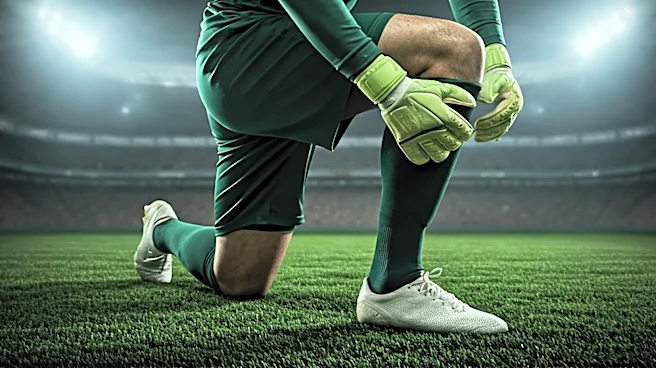
Here's the detail new fans should watch: the goalkeeper's own stance and movement *before* the kick. Don’t just watch the shooter; lock your eyes on the keeper standing on the goal line. Are they perfectly still and centered? Are they bouncing on the balls of their feet? Are they leaning ever so slightly to one side? This isn't just nervous energy; it’s a deliberate strategy. A slight, almost imperceptible lean to their left might be a bait. They are trying to subliminally suggest to the shooter that this side is covered, encouraging them to shoot to the keeper’s right—the side the keeper has already planned to dive to. This subtle shift is an attempt to influence the shooter's decision in the split-second before they start their run-up.
The Art of Disruption
Beyond a subtle lean, goalkeepers use a whole range of motions to disrupt the shooter's focus. Think of Argentina's Emiliano Martínez, famous for his dancing, trash talk, and pre-kick antics. Or Liverpool legend Jerzy Dudek's "spaghetti legs" in the 2005 Champions League final. These aren't just theatrics. Psychologically, these actions serve two purposes. First, they delay the kick, giving the shooter more time to think and overthink. The penalty spot is a lonely place, and every extra second magnifies the pressure. Second, the movement makes the goalkeeper appear larger and more erratic, shrinking the perceived size of the goal. It’s a deliberate attempt to break the shooter’s routine and concentration, turning a simple physical act into a complex mental battle.
How to Watch the Next Shootout
The next time a game goes to penalties, try this. As the camera zooms in, ignore the ball and the shooter for a moment. Watch the keeper on the line. Look at their feet. Do they take a tiny step to one side? Do they shift their weight onto one leg? Notice if they make a big, distracting gesture, then subtly prepare to dive the other way. You'll start to see the bluff. You’ll see the attempt to control the situation. It transforms the viewing experience from simply waiting for a result to appreciating the high-stakes chess match unfolding in real-time. You're no longer just a spectator; you're analyzing the tactics.