



The Early Years: Classic Hollywood Uniforms
In the early days of the Emmys, from the 1950s through the 1970s, red carpet style was dictated by a sense of formal elegance borrowed from the Academy Awards. Think classic glamour and structured gowns. Actresses like Lucille Ball, a winner in 1953,
appeared in polished, albeit conservative, outfits that adhered to the sartorial rules of the era. The fashion was less about individual expression and more about respecting the institution of television, which was still solidifying its cultural importance. Looks were often coordinated by studio costume designers, ensuring a cohesive and glamorous, if somewhat uniform, appearance. It was an era of understated formality, where the primary goal was to look elegant and appropriate.
The '80s and '90s: Power Dressing and Personal Style
The 1980s injected a dose of drama and personality onto the carpet. With television hits like Dynasty, big shoulders, sequins, and bold colors became the norm, as seen on stars like Diahann Carroll. This era marked a shift toward more expressive and sometimes rebellious fashion choices. In 1985, Cybill Shepherd famously paired her black tie gown with bright orange Reebok high-tops, a move that signaled a new comfort with breaking convention. The 1990s saw the rise of the supermodel aesthetic and the increasing influence of personal stylists. Looks like Cindy Crawford's deconstructed tuxedo-inspired outfit in 1992 and Jennifer Aniston's beaded Randolph Duke gown with bohemian braids in 1999 showcased a growing trend toward individuality.
The 2000s: The Reign of the Professional Stylist
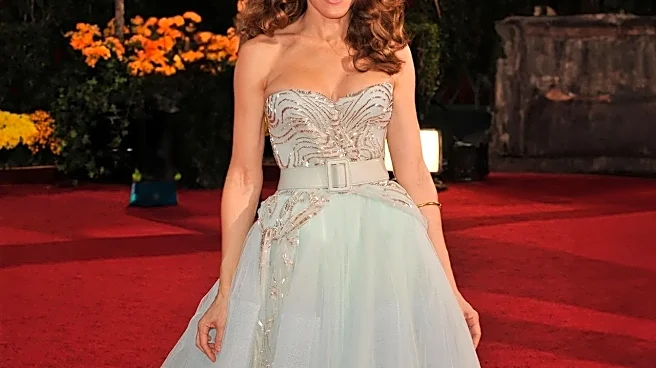
The 2000s can be defined as the golden age of the celebrity stylist. Professionals like Law Roach and Petra Flannery became the architects behind the red carpet, creating polished, headline-grabbing moments. This led to an era of aspirational, but often safe, glamour. Sarah Jessica Parker’s feathered Oscar de la Renta dress in 2000 became an iconic look that merged her on-screen persona with high fashion. Similarly, Jennifer Aniston's strapless Chanel column gown in 2004 epitomized the decade's chic, minimalist elegance. While the looks were stunning, they were often part of a carefully managed brand strategy, making fashion a key component of a celebrity's public image.
The Social Media Shift: Fashion as a Viral Moment
The arrival of Instagram and other social media platforms in the 2010s completely changed the game. An outfit's debut was no longer limited to the television broadcast; it happened in real-time on phone screens worldwide. This created a new imperative: the viral fashion moment. Stars and their stylists began choosing outfits designed to make a statement and dominate online conversation. Looks like Zendaya's emerald green Vera Wang gown in 2019, with its sheer corset and thigh-high slit, were perfectly crafted for digital consumption. This era has also seen a rise in gender-fluid fashion, body diversity, and a platform for emerging designers, as the red carpet became a space for more than just traditional glamour.
What That Means for Emmys 2026
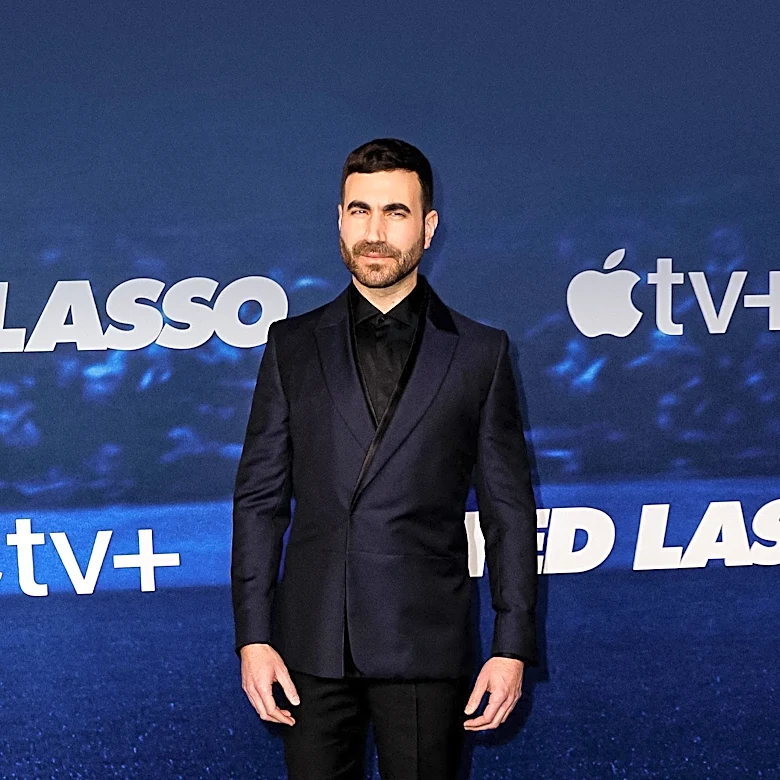
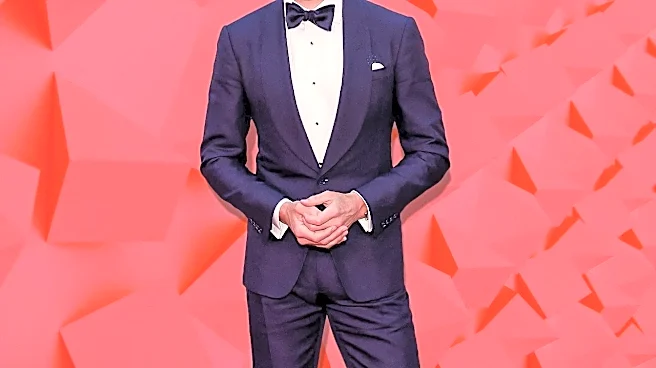
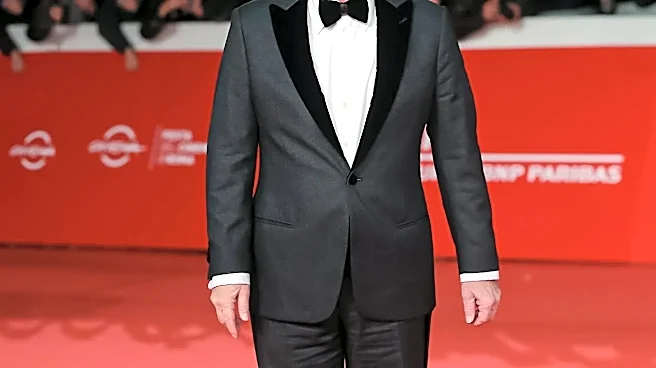
Looking ahead to the 2026 Emmys, the red carpet will be a culmination of all these trends, amplified by a new generation's values. Expect to see a hybrid of high-octane glamour and deeply personal storytelling. Sustainability will likely play a larger role, with more celebrities opting for vintage or archival looks, a trend already gaining traction. The pressure to create a viral moment will remain, but with a greater emphasis on authenticity. Fashion will be a narrative tool, whether it's an homage to a character, a statement of values, or a collaboration with an up-and-coming designer. The influence of TikTok and a desire for more individualistic, less conventional ensembles—like the custom and self-designed pieces seen on influencers—will continue to push boundaries. The 2026 Emmys red carpet won't just ask, "Who are you wearing?" but "What story are you telling?"