






The Secret Life of Black Dye
The first thing to understand is that 'black' is rarely just black. Achieving a deep, stable black color on fabric is chemically complex and expensive. To create a rich black, manufacturers often mix several colors, typically a combination of dark blue,
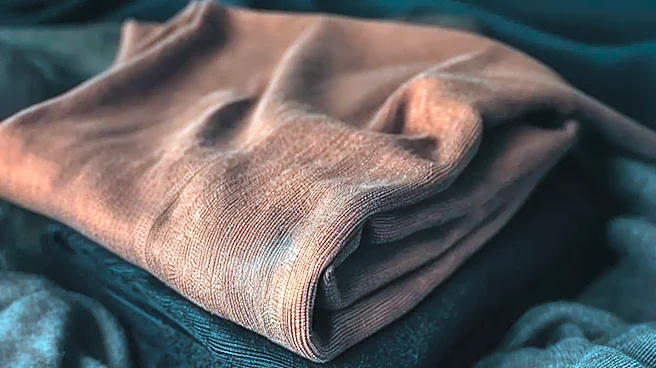
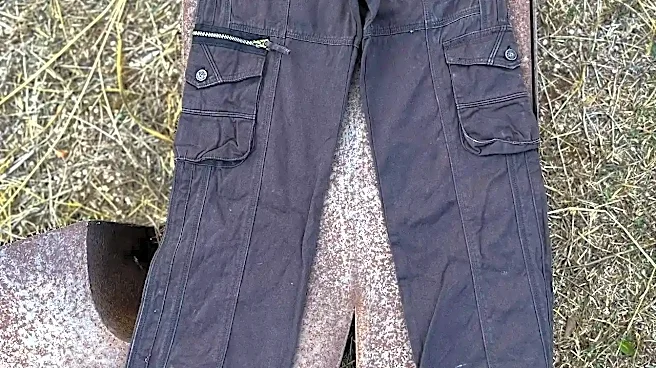
red, and yellow dyes. Think of it like mixing paint. When everything is perfectly balanced, you get a solid black. But the moment one of those component colors starts to break down faster than the others, the illusion shatters. The brownish or reddish hue you see is often the more resilient red and yellow dyes that remain after the blue dye has begun to fade.
The Sun Is Not Your Friend
The single biggest culprit in color degradation is the sun. Ultraviolet (UV) radiation is essentially a bleach that attacks and breaks down the chemical bonds in dye molecules, a process called photodegradation. The blue dyes used in many black fabrics are often less stable and more susceptible to UV damage than their red and yellow counterparts. This is why you might notice the brownish shift happening most on the parts of a garment that see the most sun, like the shoulders of a shirt or the front of jeans left near a window. Even one season of line-drying black clothes in direct sunlight can be enough to trigger this unwanted color change.
The Hidden Bleach in Your Faucet
Your laundry routine itself is a major factor, and it starts with your water. Most municipal tap water is treated with chlorine to make it safe to drink. While the concentration is low, chlorine is a powerful oxidizing agent that strips color. Over dozens of washes, the cumulative effect of chlorine can bleach out the less-stable dyes in your black clothes, contributing to the reddish-brown effect. This is especially true if you use warm or hot water, which opens up the fabric's fibers and allows the dye molecules to escape more easily. If you have hard water with high mineral content, those minerals can also build up on the fabric, creating a dull film that alters the color's appearance.
How Your Washer and Dryer Accelerate Fading
Beyond water chemistry, the physical act of washing and drying takes a toll. The friction from clothes rubbing against each other and the drum of the washing machine acts like a fine-grit sandpaper, physically abrading the surface fibers and releasing dye. This is why care labels often suggest turning dark clothes inside out before washing. Heat is another enemy. Using hot wash cycles and high-heat tumble drying not only accelerates the chemical breakdown of dyes but also causes more of the dye to bleed out. The American Cleaning Institute recommends using cold water and air-drying or using a low-heat setting to preserve color.
How to Keep Your Black Clothes Black
While you can't stop the process entirely, you can dramatically slow it down. First, wash black clothes less frequently. When you do wash them, turn them inside out and group them with other dark colors. Use a cold water setting and a gentle or short cycle. Opt for a liquid detergent formulated specifically for dark clothes, as these are made without the optical brighteners found in standard detergents that can cause fading. Finally, avoid the dryer whenever possible. Hang your clothes to dry indoors or in a shady spot outside to protect them from UV damage.