


The Spark: A Designer's Vision
Weeks before any model hits the runway, the process begins with a conversation. A lead makeup artist, often a legend in the industry, meets with the fashion designer to understand the collection's soul. They don't just discuss colors; they talk about
mood, inspiration, and narrative. Is the collection a romantic dream, a futuristic statement, or a gritty urban story? The designer shares mood boards, fabric swatches, and the core ideas that drive the clothes. This initial meeting is crucial for translating a clothing concept into a beauty direction, ensuring the hair and makeup will serve as an extension of the designer's world, not a distraction from it.
The Lab: The Makeup Test
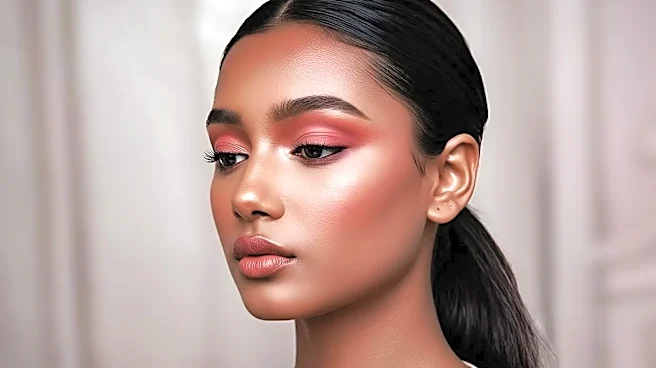
A few days before the show, the creative team convenes for the "makeup test." This is where the headline's "balance" is truly found. A test model is brought in, and the lead makeup artist begins to experiment, turning the abstract vision into a tangible look. It’s a session of trial and error. Maybe the smoky eye discussed is too harsh under lights, or the proposed bold lip clashes with a key fabric. The designer, lead artist, and hair stylist collaborate in real-time, making adjustments. This is a negotiation between artistic ambition and practical reality, finding the perfect harmony between the designer's clothes, the model's features, and the overall story of the show.
The Blueprint: The Face Chart
Once a final look is approved, it must be codified so it can be replicated flawlessly across dozens of models. The lead artist creates a "face chart"—a drawing of a face that documents every product, color, and application technique used. This chart is the definitive guide for the entire backstage team. Assistants take detailed notes and photographs of the test model from every angle. In modern fashion weeks, these charts are often digitized and can even be shared through augmented reality apps, allowing for precise, consistent instructions for the army of artists waiting backstage. This blueprint ensures that whether a model is first or last in the chair, the look is identical.
The Assembly Line: Backstage Chaos
Backstage on show day is a scene of organized chaos. A team of 10 to 40 makeup artists, hair stylists, and nail technicians work in a confined, high-energy space under immense time pressure. The lead artist will often perform a final demonstration on one model to brief the team before they begin. Each artist might have as little as 15 to 20 minutes per model to execute the look perfectly, relying entirely on the face chart and their own speed and precision. It’s a system built on a clear hierarchy and absolute professionalism, where teamwork is paramount to ensuring every model is ready for her cue.
The Final Polish: Ready for Lights
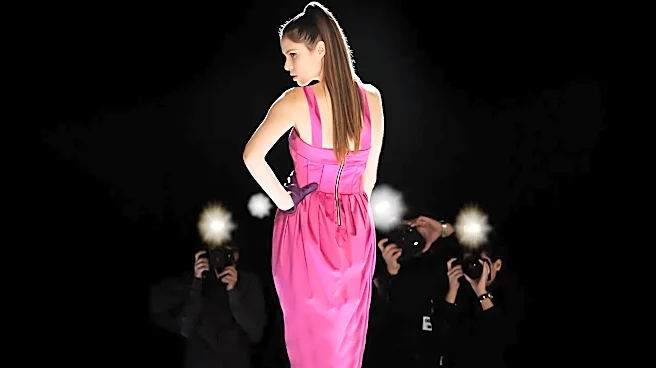
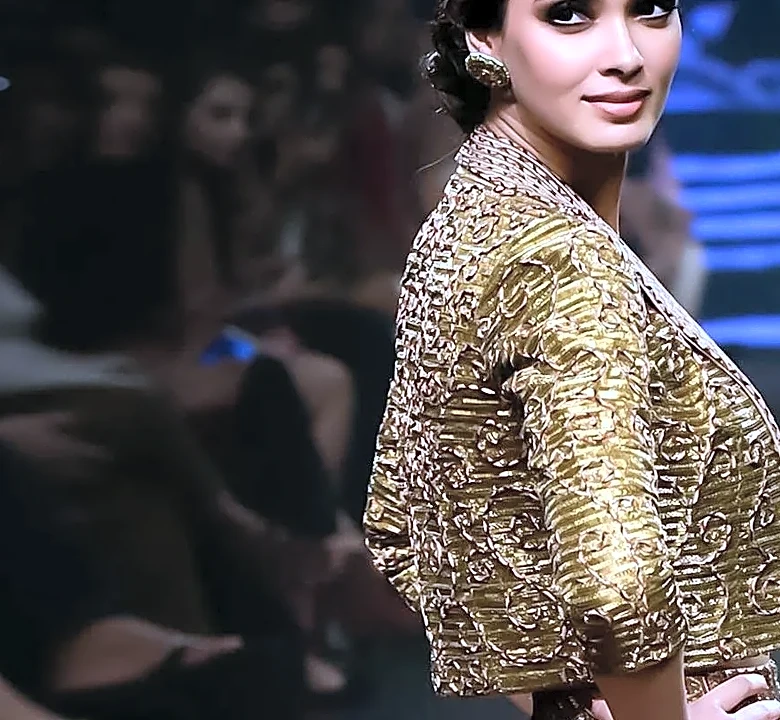
The work isn't over when the model leaves the chair. In the final moments before stepping onto the runway, the lead artist and their key assistants form a line for final checks. They scan for smudges, tame flyaway hairs, and apply last-second powder to control shine under the hot, unforgiving stage lights. A quick spritz of setting spray or a final swipe of lip gloss might be the last thing a model receives before she walks. This last look ensures that the vision, so carefully conceived and balanced weeks ago, is presented to the world with absolute perfection, ready to be captured by hundreds of cameras.