





The Fabric of a Nation, Not Just a City
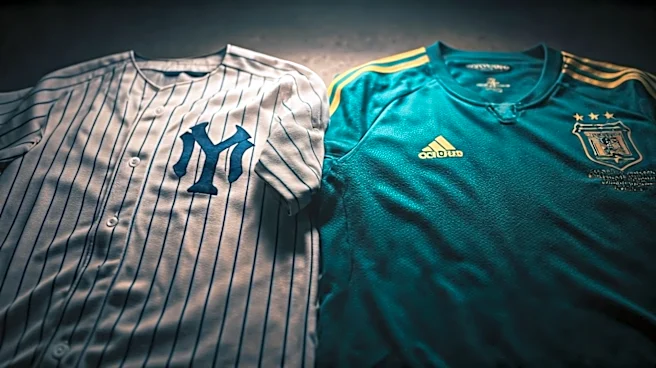
In America, our most iconic uniforms represent a city, a region, a tribe. The interlocking 'NY' is synonymous with New York City’s swagger. The Cardinals' birds perched on a bat evoke the spirit of St. Louis. These loyalties are deep, passed down through
generations who have spent summer evenings at the ballpark. They are threads in the fabric of a community.
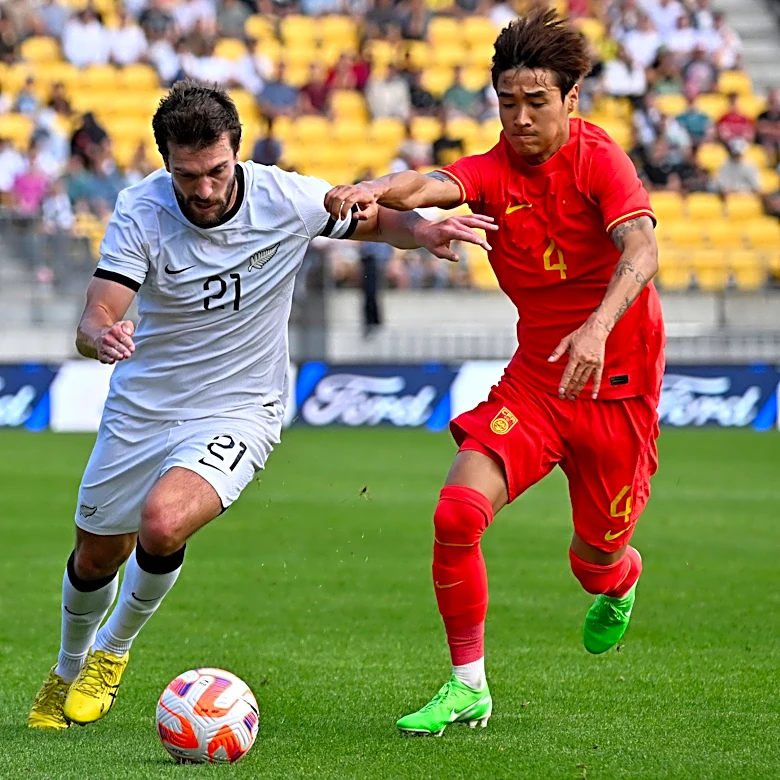
The World Cup jersey operates on a different, more profound scale. It’s not about a city; it’s about a nation. When Brazil pulls on its canary yellow shirt, it’s channeling the soul of *futebol* and the collective memory of Pelé and Ronaldo. When Argentina wears the sky blue and white stripes of the *Albiceleste*, it’s shouldering the hopes of 45 million people and the divine legacy of Diego Maradona. These jerseys are flags you can wear, imbued with politics, history, and the passionate, often desperate, dream of global supremacy.
Icons of Design and Identity
Great uniforms are timeless because their design is elemental. The clean, unadorned home whites of the Los Angeles Dodgers are a masterpiece of minimalist confidence. The same principle applies to the World Cup. The Netherlands' brilliant, aggressive orange is instantly recognizable, a declaration of the nation’s identity and its revolutionary “Total Football” of the 1970s. Croatia’s red-and-white checkerboard, or *šahovnica*, is a direct pull from its coat of arms, a pattern that turned the tiny nation into a global design icon during its 1998 World Cup debut.
These designs aren’t just aesthetically pleasing; they are symbols. Germany's iconic 1990 kit, with its jagged, tricolor chest band, represented a newly reunified nation looking toward a dynamic future. Even controversial or “ugly” kits, like the USA’s 1994 “denim” jersey, become legendary artifacts of a specific time and place, capturing a moment in a nation’s sporting history.
Worn by Legends, Burned into Memory
A uniform’s power is amplified by the legends who wear it. We can’t see the Yankees pinstripes without thinking of Babe Ruth, Lou Gehrig, or Derek Jeter. The jersey becomes a vessel for their greatness. The same is true, but on a global scale, for the World Cup. Zinedine Zidane’s career ended in infamy and glory in France's iconic blue jersey. Pelé made Brazil’s No. 10 shirt sacred. Every four years, a new hero emerges, and their triumphs are forever linked to the kit they wore.
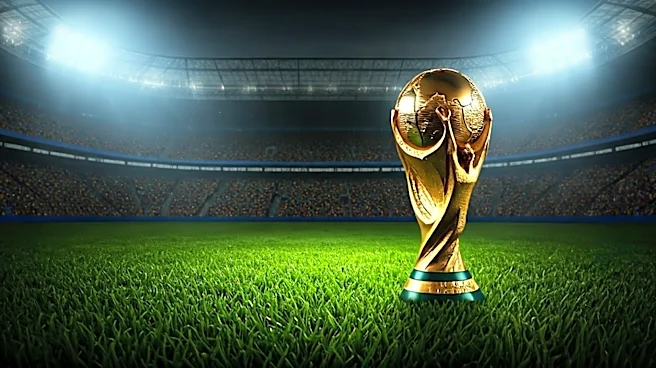
When Lionel Messi finally lifted the World Cup trophy in 2022, his image in that Argentina jersey became instantly immortal. It wasn’t just a victory for a team; it was the culmination of a national narrative, and the jersey is the relic that proves it happened. It’s the visual shorthand for a story the whole world watched unfold.
The Power of Scarcity
Perhaps the biggest difference—and what makes World Cup jerseys so potent—is scarcity. A baseball season is a long, 162-game summer romance. You see the uniform almost every day for six months. It becomes a comforting, familiar presence. The World Cup, however, is a lightning strike. It happens for one month, every four years. An entire nation’s sporting hopes are poured into a handful of games. The emotional stakes are almost unbearable.
That intensity makes the jersey a sacred object. It’s the armor for a do-or-die battle, not the work clothes for a Tuesday night game in June. Winning a World Cup can redefine a nation's image on the world stage, and the jersey becomes the symbol of that singular, explosive moment of triumph.