



The Rules Are Dangerously Vague
What does “dressy casual” even mean? Is it a blazer with jeans? A polo shirt with trousers? A dress with sneakers? The answer is yes, no, and maybe—all depending on the city, the venue, the time of day, and the host’s personal interpretation. Unlike “cocktail
attire” or “business formal,” which have relatively clear goalposts, dressy casual is a vast, murky territory. For a beginner, navigating this ambiguity is like being asked to cook a complex dish with a recipe that just says “add some good stuff.” You’re far more likely to end up with a confusing mess than an effortless masterpiece. This lack of clear definition sets you up for failure before you’ve even opened your closet.
It Requires an Expert's Eye for Detail
Pulling off dressy casual isn’t about the specific items you wear; it’s about how you wear them. It’s a style built on nuance. It relies on a deep understanding of fabric texture, color theory, silhouette, and, most importantly, fit. A seasoned style enthusiast knows that the difference between a cool, relaxed blazer-and-tee look and a sad, stuffy one comes down to the cut of the jacket’s shoulder, the drape of the shirt’s cotton, and the precise break of the pant leg. These are advanced skills. Beginners are often still mastering the fundamentals, like finding a pair of jeans that fits perfectly or a shirt that doesn't billow at the waist. Trying to leapfrog to this advanced level usually just highlights the areas you haven’t mastered yet.
Mistakes Are Costly (and Obvious)
Because dressy casual lives in the space between formal and informal, the failure state is looking jarringly out of place. You either look like you tried too hard (a stiff, corporate-looking blazer at a relaxed backyard party) or not hard enough (wrinkled chinos and a faded polo at a nice dinner). Furthermore, the pieces often associated with this style—unstructured blazers, high-quality knitwear, leather loafers, premium denim—are not cheap. Wasting money on a “statement” piece that doesn’t quite work is a classic beginner’s mistake. That budget is much better spent on building a solid foundation of versatile, high-quality basics that you can wear confidently across different settings.
It Creates Wardrobe Orphans
A common pitfall for someone attempting dressy casual is buying one-off items for specific events. You buy that trendy-but-uncomfortable shirt or those loud trousers because you think they fit a niche dress code, but they don’t integrate with anything else you own. These are “wardrobe orphans”—lonely garments that have no family in your closet. A beginner's wardrobe should be built on interoperability. Every new piece should work with at least three other things you already own. Dressy casual encourages the purchase of standalone items that seem clever in the store but offer almost no versatility, ultimately shrinking your options instead of expanding them.
Master the Poles Before the Equator
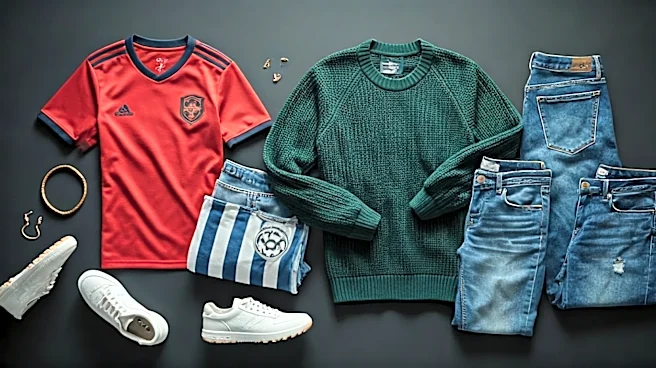
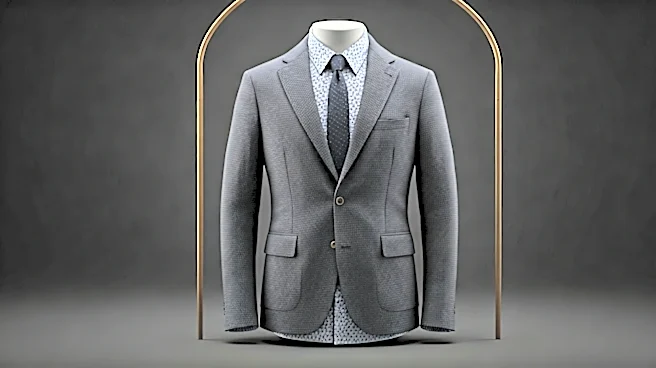
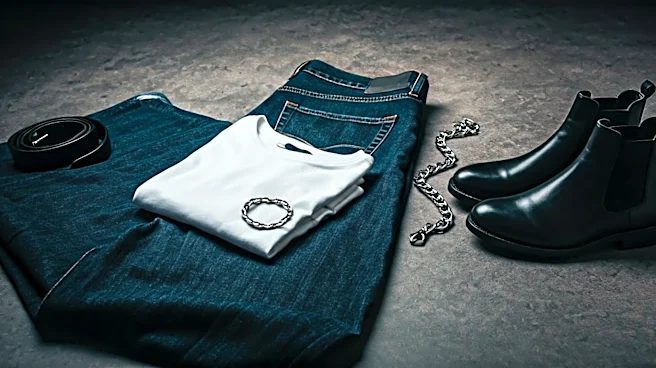
Instead of getting lost in the confusing middle, a beginner's time and money are better spent mastering the two ends of the spectrum: truly casual and truly smart. First, perfect your casual game. This means well-fitting jeans or chinos, classic t-shirts in neutral colors, clean sneakers, and a great everyday jacket. Once that’s solid, build a reliable “dressed-up” option: a well-tailored suit (for men) or a classic dress/tailored separates (for women), complete with appropriate shoes. When you have these two toolkits, you can handle the vast majority of life’s events with confidence. You’ll always look intentional—either intentionally relaxed or intentionally sharp. Only after you’ve mastered these fundamentals should you start experimenting with mixing them, which is the true art of dressy casual.