


The Campfire as a Safe Space
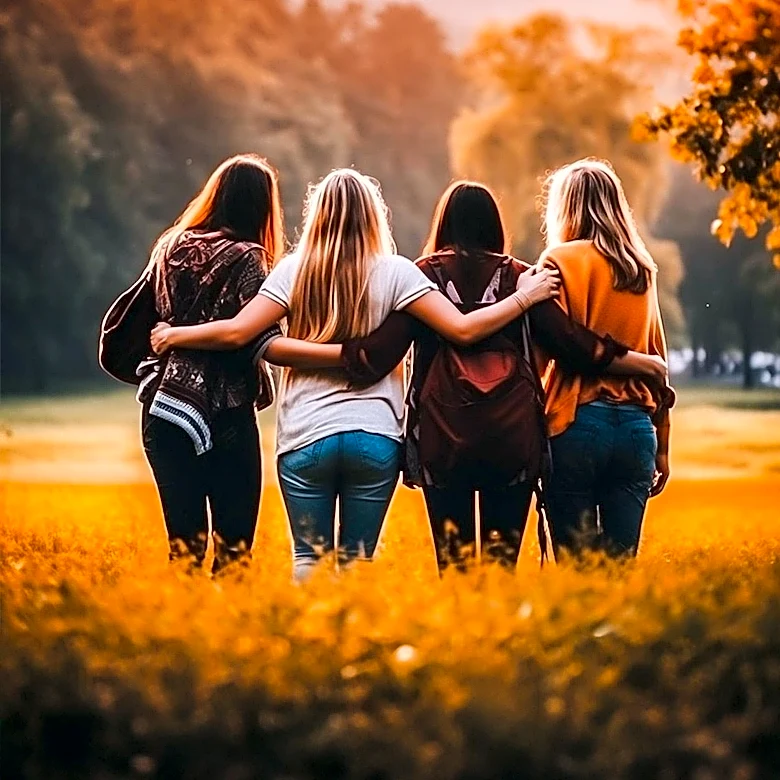
Every episode began and ended in the same familiar setting: a group of friends, the Midnight Society, gathered around a crackling campfire in the woods. This framing device was the show’s secret weapon. Before any terror began, it established a layer
of safety and control. The audience knew they were watching a story being told by one of the kids, which created a psychological buffer. The ritual of starting each tale with “Submitted for the approval of the Midnight Society…” and tossing a pouch of “midnight dust” into the flames signaled a clear transition from reality to fiction. When the story ended and the designated member doused the fire, the fear was contained. This structure allowed viewers to brace for the scare and, more importantly, to decompress afterward, returning to the comfort of the circle of friends.
Fears Rooted in Childhood, Not Gore
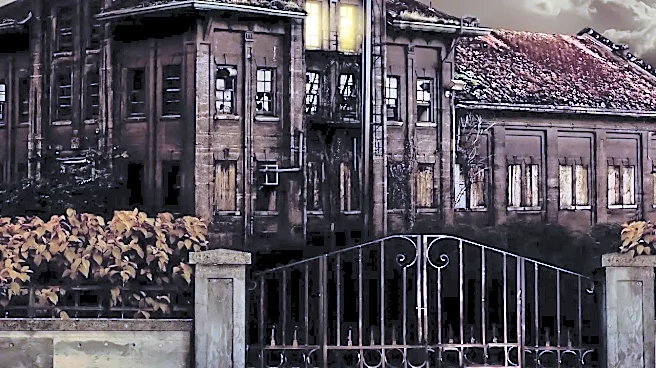
The show’s creators, D.J. MacHale and Ned Kandel, understood their audience. The horror in 'Are You Afraid of the Dark?' rarely stemmed from violence or gore. Instead, it tapped directly into universal childhood anxieties. The stories explored fears of clowns (“The Tale of the Crimson Clown”), creepy dolls, abandoned swimming pools, and things that go bump in the night. The monsters weren't just random beasts; they were often manifestations of relatable problems. The show’s villains were sinister librarians, lonely ghosts in need of help, or magical tricksters who preyed on insecurity. By grounding its horror in the psychological and the paranormal rather than the physically brutal, the series felt much more like a classic ghost story or an episode of 'The Twilight Zone' than a slasher film.
The Power of Suggestion and Suspense
Unlike horror that relies on constant jump scares, 'Are You Afraid of the Dark?' was a masterclass in building atmospheric dread. It let the viewer’s imagination do most of the heavy lifting. The show often focused on what wasn't seen. A shadow moving in the periphery, a sound from an empty room, or a character realizing they are being watched by something just out of frame created a slow-burn tension. Episodes like “The Tale of the Super Specs,” where a character sees shadowy figures from another dimension that no one else can, preyed on the fear of the unseen and the terror of being the only one who knows the truth. This approach respected the intelligence of its young audience, understanding that the monster you can’t quite see is always scarier than the one in plain sight.
The Twist Ending and Lingering Questions
Many episodes concluded with a signature twist that re-contextualized the entire story, leaving viewers with a chilling final thought long after the credits rolled. Sometimes the protagonist would escape, only to find themselves in a new, more subtle trap. In other cases, the monster wasn't defeated but simply placated for the time being. In “The Tale of the Thirteenth Floor,” the story ends with the reveal that the seemingly kind adult was an alien all along. These endings were unsettling because they suggested that the supernatural world was always bleeding into our own, and that danger wasn't always vanquished. It left kids thinking, which was a core part of its design; the scare wasn’t just a momentary shock but a lingering question.
Empowerment Through Horror
Perhaps the most crucial element was that the show was always about kids solving their own problems. The young protagonists faced down ghosts, demons, and curses without much, if any, adult intervention. According to co-creator D.J. MacHale, the goal was to show kids finding themselves in challenging situations and figuring out how to get through them on their own. This narrative choice was empowering. It told its audience that while the world could be a scary place, they possessed the courage and ingenuity to survive it. The series didn't just aim to scare; it aimed to show resilience. By tackling complex themes of loss, bravery, and friendship through a horror lens, it gave kids a safe space to confront fear and come out stronger on the other side.