


The Art of Imperfection
The secret to Copenhagen’s celebrated street style isn't a specific brand or a single trend; it’s a mindset. While other fashion capitals might focus on polished perfection, the Danes embrace a kind of calculated chaos. The goal isn't to look like you
stepped out of a magazine, but rather to look like you have a life to live and your clothes are coming along for the ride. This means pairing a fancy dress with chunky sneakers, throwing an oversized coat over everything, or mixing prints in a way that feels joyful rather than formulaic. It’s a style built on contrasts: high fashion meets low maintenance, bold colors cut through neutral palettes, and silhouettes are played with to prioritize personal comfort over conventional flattery. The resulting look is dynamic and deeply personal, resisting easy imitation because it's about an attitude, not just an outfit.
Function Is the Foundation
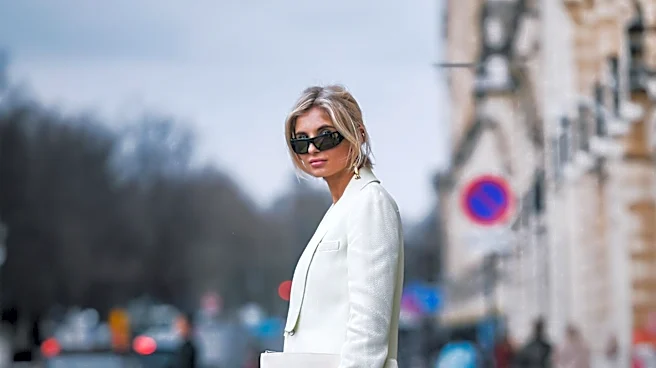
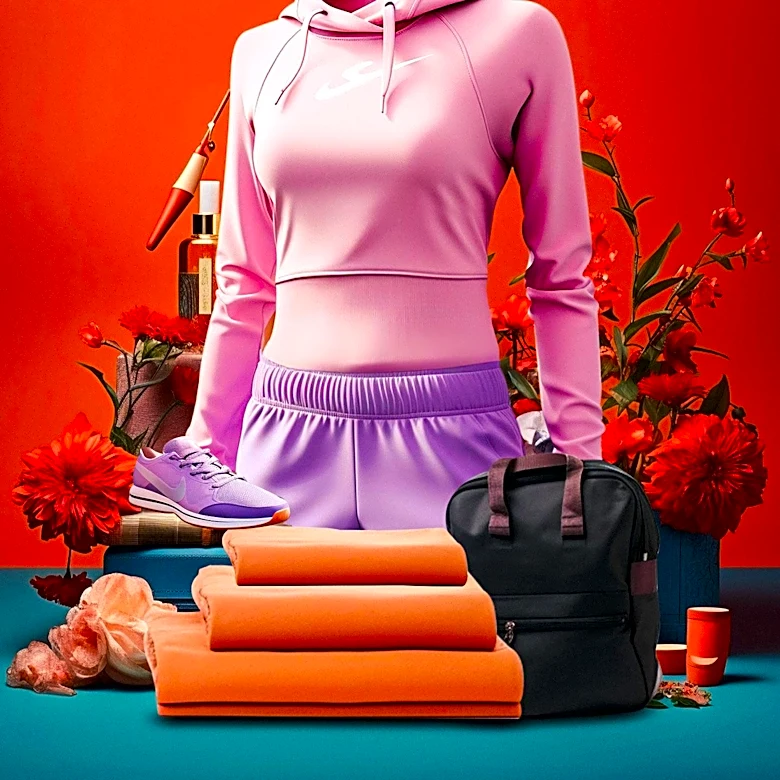
You can't talk about Copenhagen style without talking about bikes. The city’s love for two-wheeled transport has a profound impact on how people dress. Outfits must be practical enough for a cycle commute, which means prioritizing comfortable footwear, functional outerwear, and freedom of movement. This practicality is why you see so many flat shoes, from sneakers to loafers and clogs, and why an oversized trench coat or blazer is a signature piece. Layering isn't just a styling trick; it’s a necessary response to unpredictable northern European weather. A typical look might involve a knit vest over a button-down, all under a roomy jacket, allowing for adjustments throughout the day. This focus on function grounds even the most experimental outfits in reality, ensuring that style serves life, not the other way around.
A New Kind of Maximalism
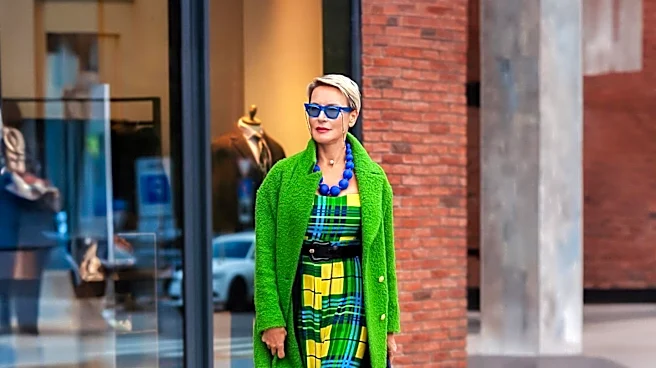
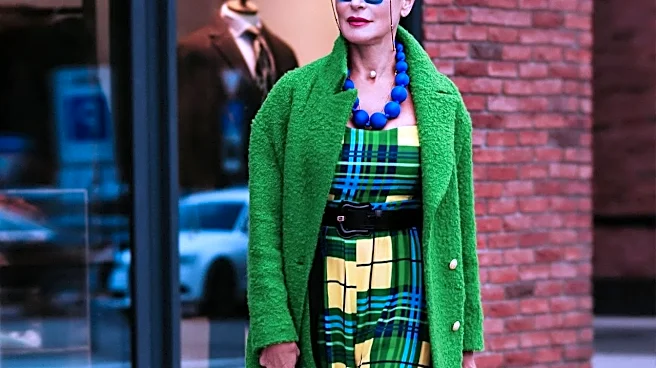
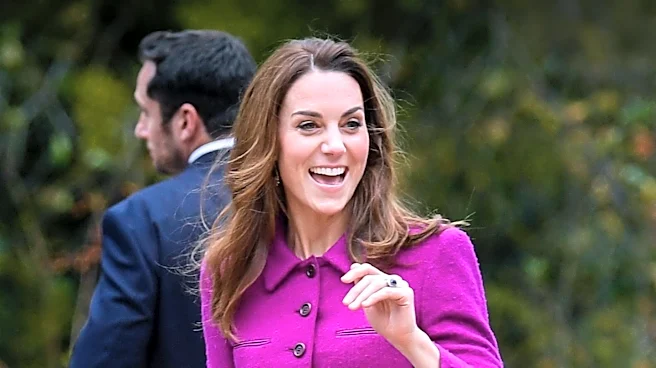
For years, Scandinavian style was synonymous with stark minimalism—a sea of black, white, and beige. That era is decisively over. Today’s Copenhagen aesthetic is a rebellion against restraint, favoring what some call a 'northern maximalism'. This is expressed through a fearless use of color, with soft pastels like butter yellow and lilac appearing alongside vibrant cherry reds and bold prints. Pattern mixing is encouraged, with polka dots, stripes, and florals often clashing in the same outfit. But it’s a thoughtful excess. Accessories are key, but not in a delicate, over-accessorized way. Instead, a single, sculptural bag, a statement scarf, or a brightly colored beanie adds a focal point of personality. This approach allows for individual expression that feels exuberant and optimistic.
The Power of the Silhouette
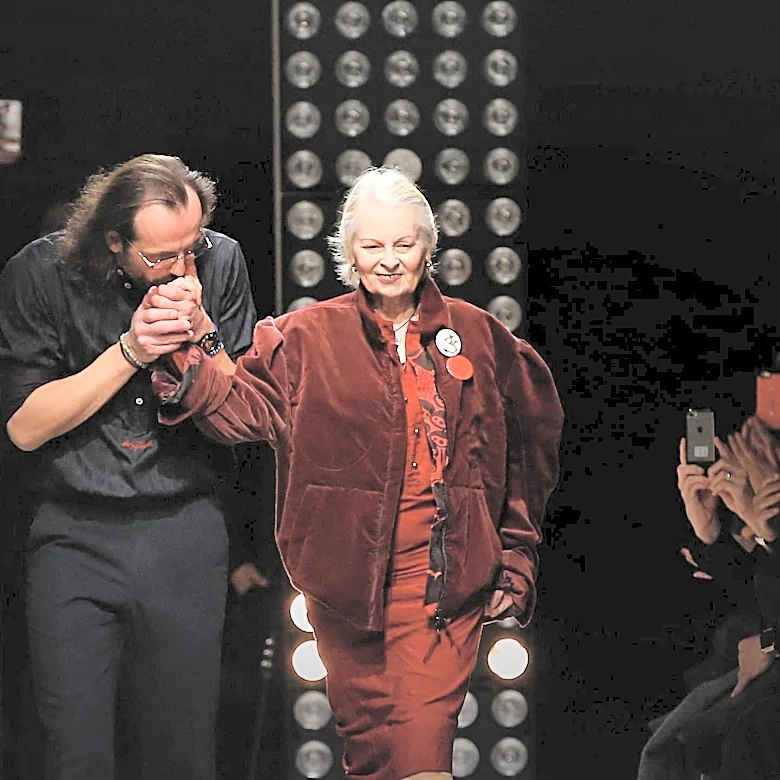
Another key element is the deliberate play on proportions. The Danes have mastered the art of the oversized silhouette, which offers both comfort and a sense of sartorial autonomy. A voluminous dress, a slouchy pair of trousers, or a boyfriend blazer doesn’t just provide ease of movement; it creates an interesting shape that is more architectural than body-conscious. This is often balanced with clever layering, like a tailored vest over a billowy shirt or a skirt over pants, a trend that consistently reappears on Copenhagen's streets. These unconventional pairings—like a tiny, fitted top with wide-leg cargo pants—create a visual tension that is both intentional and fresh. The body is present, but it’s not the only story the clothes are telling.