




The Unspoken Commandment: Be Commercial
In the high-stakes world of international fashion, there’s an unspoken commandment that underpins the entire enterprise: Thou shalt be commercial. From New York to Paris, the pressure on designers is immense. Collections must not only be beautiful, but
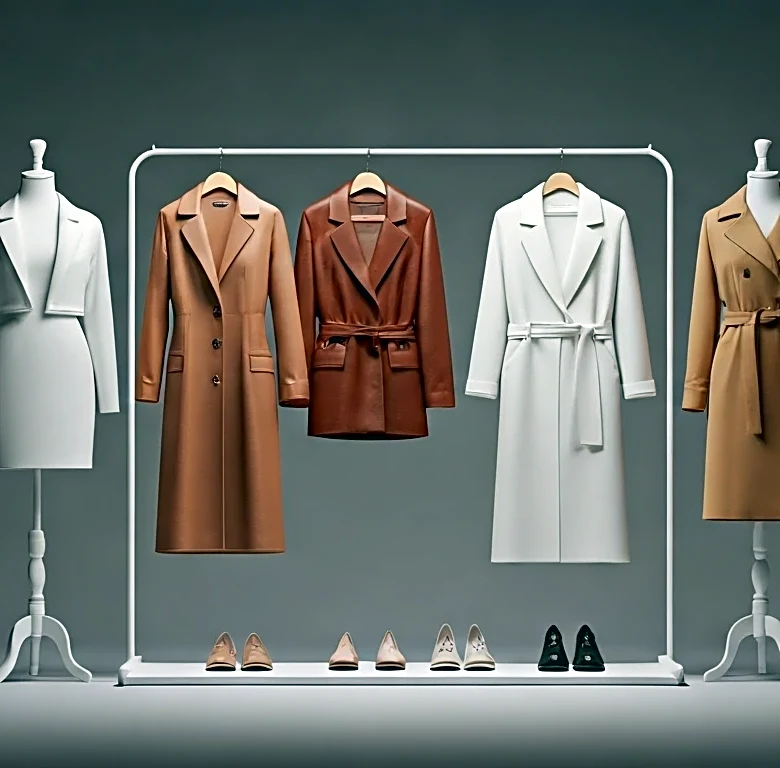
also wearable, marketable, and, most importantly, immediately sellable. They need to translate from the runway to the retail floor, from the showroom to an influencer’s Instagram feed. This means creating predictable hits—the perfect trench, the must-have handbag, the viral dress. It’s a system built on reducing risk and maximizing profit. This commercial pragmatism is the engine of the industry; it pays for the fantasy, funds the next collection, and keeps the lights on. It’s the invisible 'rule' that governs what we see and, ultimately, what we wear.
London's Laboratory of Raw Ideas
London Fashion Week operates on a different frequency. If other cities are polished showrooms, London is the raw, gloriously messy laboratory. For decades, it has challenged the primacy of commercialism by championing something else: pure, unadulterated creativity. This is the city that gave us the punk theatricality of Vivienne Westwood and the sublime, dark romance of Alexander McQueen. Its identity is inextricably linked to legendary art schools like Central Saint Martins, which prioritize conceptual rigor and artistic vision over business plans. Organizations like the non-profit Fashion East act as incubators, giving radical new voices a platform without demanding they first prove their commercial viability. The result is a fashion week that often feels more like a series of art installations than a trade show. It’s a place where the primary currency isn’t sales projections, but the power of a new idea.
The Triumph of Narrative and Theatrics
This defiance isn't just theoretical; it's visible on the runway. Where other weeks might focus on perfecting a silhouette, London designers build entire worlds. Think of Simone Rocha’s hauntingly beautiful collections, which feel like they’ve stepped out of a forgotten folklore, blending femininity with an unsettling edge. Or consider Richard Quinn, whose shows are spectacles of chintz, latex, and operatic drama, sometimes even featuring a live orchestra. These aren't just clothes; they are characters in a story. The 'rule' of wearability is gleefully questioned. Garments might be impossibly large, intentionally deconstructed, or crafted from materials that defy logic. This commitment to narrative and performance is London’s signature. It’s a reminder that fashion’s purpose isn't just to clothe the body, but also to stir the soul, to provoke thought, and to create moments of genuine, jaw-dropping beauty or bizarre intrigue.
But Can Anarchy Pay the Bills?
Of course, this creative exceptionalism comes with its own set of challenges. The very spirit that makes London so exciting also makes it financially precarious for its designers. Many of the brilliant talents who emerge from its scene struggle to build sustainable businesses. They often face a difficult choice: stay true to their radical vision and risk insolvency, or dilute their brand to chase investment and commercial success. Brexit has added another layer of logistical and financial difficulty, making it harder to trade and attract European talent. Yet, this struggle is also part of the London story. The city remains a magnet for designers who prioritize art over commerce, even if it means a tougher road. It forces a constant, and necessary, conversation about how to support creative industries in a world that increasingly demands immediate returns.