


1. The Epic 'God Shot'
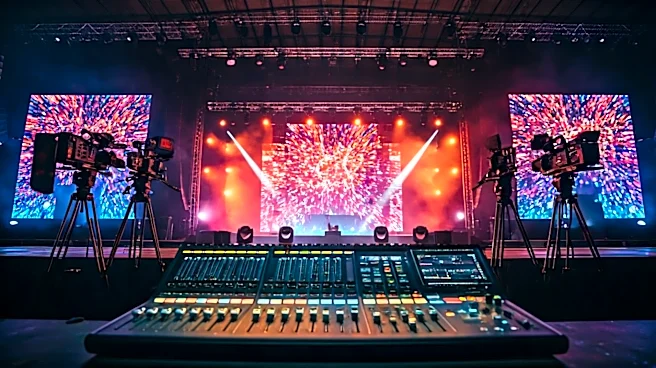
This is the signature shot of any massive festival. A camera, often mounted on a towering crane, a flying wire-cam system, or a drone, pulls back to reveal the entire breathtaking scene: the colossal stage, the pulsing light rigs, and the seemingly infinite
sea of attendees. Its purpose is twofold. First, it establishes the sheer scale and spectacle of the event, generating a sense of awe. Second, it provides a visual reset, a moment of calm before the director cuts back into the high-energy action. It’s the shot that says, “Look at this world we’ve built.”
2. The Low-Angle 'Hero Shot'
While the God Shot shows the scale of the event, the Hero Shot focuses on its epicenter: the DJ. The camera is placed low, often at the front of the stage, and angled up at the performer. This classic cinematic technique makes the subject look powerful, dominant, and larger than life. Framed against their own visuals and the dazzling pyrotechnics, the DJ is transformed from a person playing music into a mythological figure commanding the elements. It’s a shot designed to build persona and reinforce the artist's headliner status.
3. The Rhythm-Synced Cut
The most crucial element of a great DJ set is the rhythm. The livestream’s visual director acts as a second DJ, using the editing suite as their instrument. They don’t just switch between cameras randomly; they cut, dissolve, and wipe in perfect time with the music. A rapid-fire snare roll is matched with a quick succession of different camera angles. A huge bass drop is punctuated by a dramatic cut from a tight shot to the massive God Shot, often combined with a perfectly timed burst of fireworks. This technique, known as 'cutting on the beat,' turns passive viewing into a visceral, rhythmic experience.
4. The FPV Drone Fly-Through
One of the most thrilling modern additions to the livestream toolkit is the FPV (First-Person View) drone. Piloted by highly skilled operators, these small, agile drones can execute maneuvers impossible for a traditional camera. They can dive down the face of a stage, weave through complex truss structures, skim over the crowd, and even fly through fireworks (with proper safety measures). The resulting footage gives the home viewer a dynamic, video-game-like perspective, creating the exhilarating feeling of soaring through the festival grounds themselves. It’s the ultimate tool for immersion.
5. The Crowd-as-Character Shot
A DJ set is a conversation between the artist and the audience. A great livestream captures this dialogue. Directors deliberately seek out and feature shots of the crowd: faces filled with joy, hands in the air, friends singing along together. These aren't just random filler shots. They serve a vital psychological purpose. For the viewer at home, seeing the ecstatic crowd validates their own emotional response to the music. It creates a sense of shared experience and community, bridging the gap between the living room and the festival field. It reminds you that you’re part of a global movement.
6. The Intimate 'Behind the Decks' View
To demystify the art of DJing and highlight the performer's skill, directors use small, often robotic, cameras placed directly over the console. These shots focus on the DJ's hands as they manipulate knobs, faders, and jog wheels. This isn't just for show; it’s proof of craft. It shows the viewer that the DJ is actively working, twisting sounds and blending tracks in real time. For fans who are also aspiring DJs, it’s a masterclass. For everyone else, it’s a fascinating glimpse into the technical artistry that powers the party, grounding the spectacle in tangible human skill.