




The Hidden Detail You Can’t Unsee
On draft night, as a newly minted pro shakes the commissioner’s hand, the cameras zoom in. While most of us are looking at the team logo on the hat, style aficionados are looking somewhere else: the suit’s collar. Specifically, what’s underneath it. When
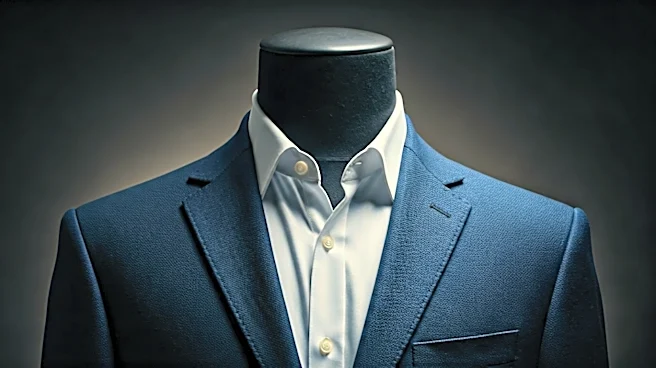
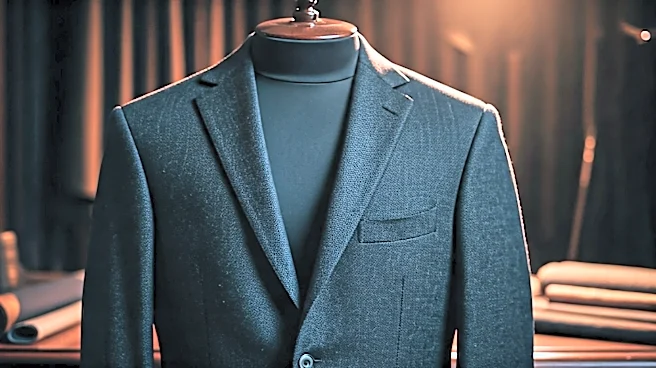
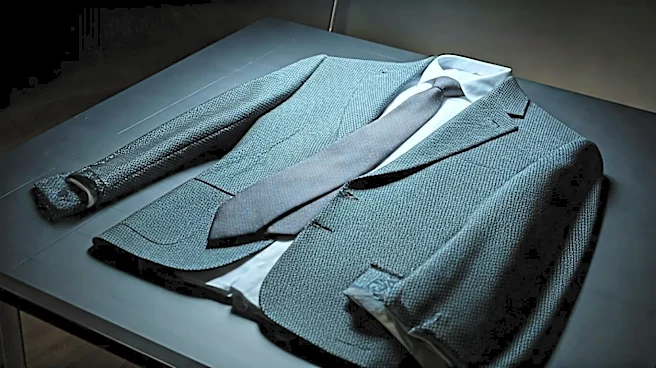
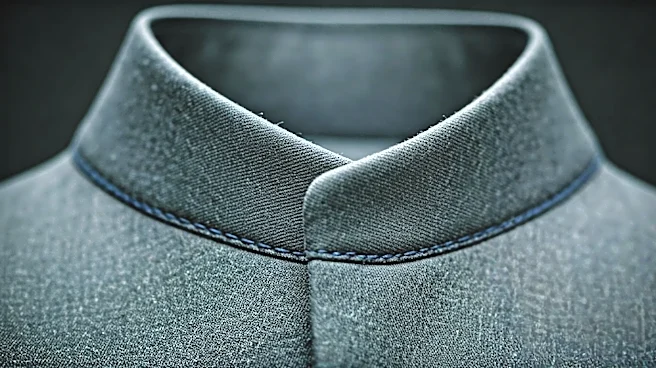
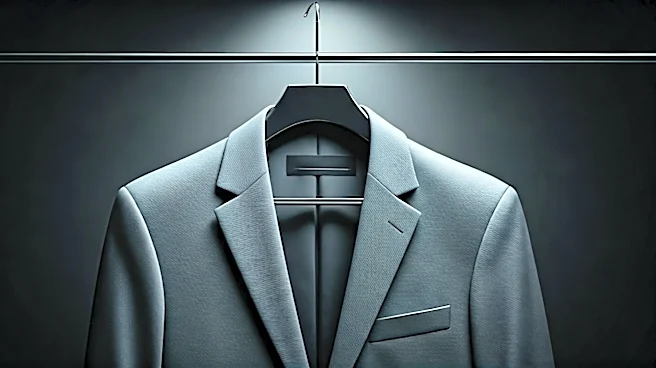
the lapel naturally rolls or the player turns his head, you might catch a glimpse of a different fabric on the underside of the collar—often a felt-like material in a contrasting color like gray, navy, or black. This isn’t a flashy style choice, like a wild suit lining. This is a functional piece of craftsmanship known as a collar melton. It’s a small, unassuming detail that speaks volumes about the quality of the garment. Once you know to look for it, you’ll start seeing it everywhere on high-end jackets, and its absence on cheaper ones will become just as glaring.
Function First, Style Second
So, what’s the point? The collar melton isn’t just for show. It serves a critical structural purpose. Traditionally made from a dense, tightly woven wool called melton (hence the name), this piece of fabric is engineered to help the collar and lapel hold their shape. A suit collar isn’t just a flat piece of fabric; it has to curve gracefully around the neck and roll beautifully down the chest. The melton under-collar provides the necessary body and support for this to happen. Its texture also allows for fine, almost invisible stitching that attaches it to the main collar fabric, creating a clean, crisp edge. On a windy day, a man wearing a well-made jacket can 'pop the collar,' and the melton provides the sturdiness and friction to keep it standing, protecting his neck. It’s a holdover from a time when outerwear had to be genuinely functional, and it remains a hallmark of a jacket built to last.
The Telltale Sign of Quality
This is where the 'designer-level' feeling comes from. In a bespoke or high-quality, made-to-measure suit, the melton is almost always a separate piece of high-grade wool, painstakingly attached with hundreds of tiny, often handmade, stitches. You might see these stitches (called 'pic stitches') if you look closely. They allow the collar to be shaped with an iron and conform perfectly to the wearer. In contrast, mass-market suits need to cut costs and time. Instead of a separate wool melton, they often just fold the main suit fabric over (a 'self-collar') or, worse, use a cheap, synthetic, glued-on piece of felt. A self-collar lacks the structure to hold a proper roll, leading to the flat, lifeless lapels you often see on off-the-rack jackets. A cheap felt piece will bubble, stiffen, and degrade over time. The presence of a quality melton, therefore, is an instant indicator that the suit maker didn't cut corners. It’s a sign that the garment was constructed with care, longevity, and timeless style in mind.
From the Draft Stage to Your Closet
The reason so many NFL draft prospects’ suits have this feature is simple: they are often custom creations designed to make a powerful first impression. These young men are investing in their image, and their stylists and tailors know that true luxury is about what you can’t always see. The confidence a well-made suit provides comes from knowing it’s constructed properly from the inside out. For the average guy, this is a powerful piece of knowledge. When you’re shopping for a sport coat or suit, take a moment to flip the collar up. Does it feel substantial? Can you see or feel a different, denser material underneath? Is it neatly stitched or does it look like an afterthought? Asking these questions can help you discern a well-made garment from a disposable piece of fast fashion, regardless of the brand name on the label.