




The Unwritten Rule of Festival Culture
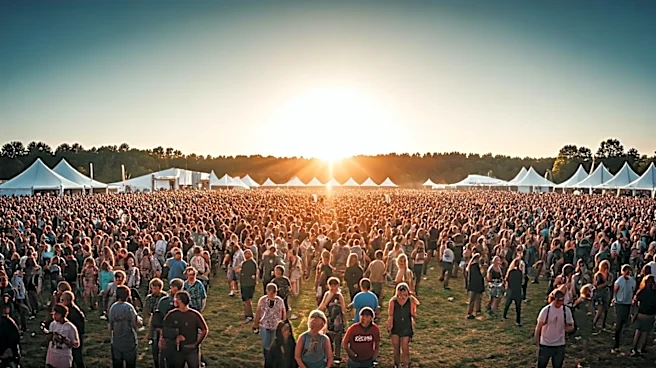
In the landscape of American mass gatherings, a certain formula has become dominant. Events like Coachella have set a template where youth is the main currency. The experience is often filtered through social media, with lineups and marketing heavily
skewed towards artists and trends that resonate with an under-30 demographic. This creates a vibrant, energetic atmosphere but also an implicit rule: festivals are a young person’s game. The focus can feel narrow, centered on fleeting trends, high-energy EDM, and a party-centric ethos that, while fun, can leave older audiences feeling like they’re crashing someone else’s prom. This youth-centricity is a powerful economic engine, but it also risks making these cultural moments feel disposable and exclusionary.
Essence Fest: A Different Kind of Pilgrimage
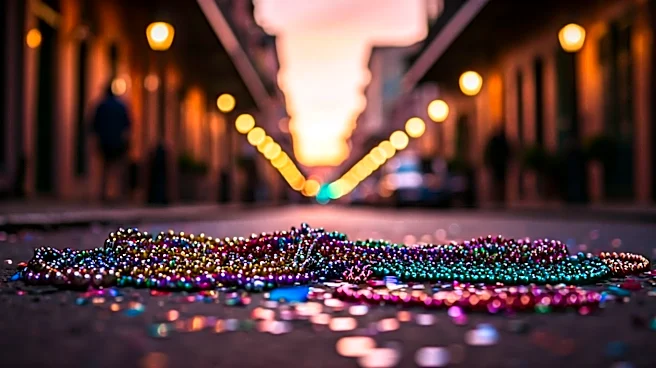
Then there’s the Essence Festival of Culture. Held annually in New Orleans over the Fourth of July weekend, it’s often called “the party with a purpose.” It began in 1995 not as a standalone music event, but as a 25th-anniversary celebration for Essence magazine, a publication deeply rooted in celebrating Black women. This origin story is key. From its inception, Essence Fest was designed as a live extension of the magazine's mission: to uplift and empower the African American community through culture, conversation, and connection. It’s less a temporary escape and more of a cultural homecoming, drawing over 500,000 people for what feels like a massive family reunion.
More Than Music, A Multi-Generational Affair
While the nightly concerts in the Caesars Superdome feature a jaw-dropping mix of iconic and current artists—from Patti LaBelle and Public Enemy to Cardi B and Kehlani—the heart of the festival beats during the day. The convention center hosts a vast array of free daytime experiences: panels on entrepreneurship, wellness workshops, financial literacy seminars, political discussions with leaders like Vice President Kamala Harris, and showcases for Black-owned businesses. This holistic programming is the secret sauce. It offers value far beyond the main stage, appealing to a wide spectrum of interests and life stages. It creates a space where a grandmother, her daughter, and her granddaughter can all find something that speaks directly to them, making it a true multi-generational destination.
Where Aunties and Influencers Coexist
Walk through the festival grounds, and you’ll see this dynamic in action. You’ll find Gen Z influencers capturing content next to groups of Gen X friends on their annual girls' trip. You'll see Baby Boomers soaking in a gospel performance just hours before a stadium full of people of all ages sings along to a 90s R&B classic. The nickname “auntie fest” is often used, sometimes critically, but it speaks to the event’s success in retaining its core, older demographic while trying to attract younger crowds. While this has created some growing pains and debates about the festival's identity, it remains one of the few places where these different generations of Black culture convene on such a massive scale, celebrating both shared history and future trends.
A Blueprint for Inclusive Celebration
Essence Festival’s success isn't just a fluke; it's a powerful model. It demonstrates that a festival can be both commercially successful and culturally significant by serving a broad community instead of a narrow demographic. By centering its identity on purpose—celebrating Black culture, fostering economic empowerment, and creating a space for authentic connection—it has built a loyal following that returns year after year. It’s proof that people are hungry for experiences that offer more than just escapism. They want connection, inspiration, and a sense of belonging. The festival isn't perfect, and like any long-running institution, it faces challenges in balancing tradition with evolution. But its core identity remains its strength.