





The Groundwork: Upfronts and Early Buzz
The campaign for a September premiere often begins in the spring at the industry events known as "upfronts." This is where networks present their upcoming slates to advertisers, offering a first glimpse of new shows. Soon after, the public phase begins.
Studios release initial teasers, cast announcements, and key art. The goal here is simple: plant a flag. These early assets are designed to spark initial curiosity and give pop culture journalists and superfans something to talk about months before the show ever airs. It's less about revealing plot and more about establishing a mood, a title, and a core concept that can begin to build a search and social media footprint.
The Digital Assault: Winning Over the Internet
In the modern media landscape, digital is the central nervous system of any TV marketing campaign. A few months before the premiere, the social media accounts for the show go into overdrive, releasing a steady drumbeat of content. This includes short video clips, behind-the-scenes footage, and character introductions. A key tactic is leveraging the show's own cast and creators, who use their personal social media accounts to provide an authentic, insider look at the series. Studios also partner with influencers whose followers match the show's target demographic, creating sponsored content that feels organic. This phase is about building a community, sparking fan theories, and turning passive interest into active engagement through hashtags, quizzes, and interactive content.
The Physical World: Billboards and Press Tours
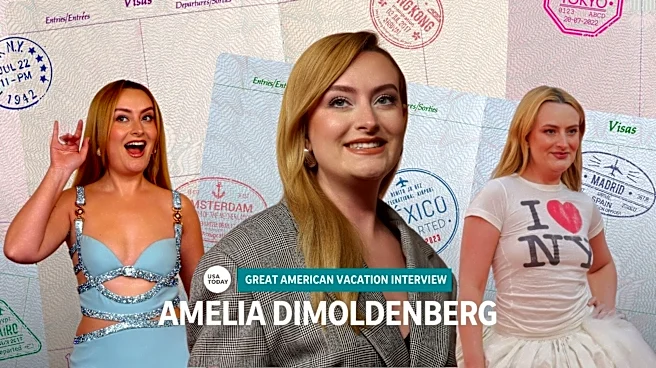
While digital buzz is crucial, studios still invest heavily in traditional, real-world advertising. As September approaches, you'll see massive billboards appear in major cities like Los Angeles and New York, along with ad placements in magazines and on other television channels. This broad-stroke approach is designed to achieve mass awareness. At the same time, the show's stars embark on a whirlwind press tour. They appear on morning news programs, late-night talk shows, and popular podcasts. Each interview is an opportunity to tell an anecdote from the set, explain their character's motivations, and remind millions of people of the upcoming premiere date. This talent-led push personalizes the show and puts a human face to the project.
Premiere Week: The Final Blitz
The week of the premiere is an all-out marketing blitz. Ad buys become more frequent and targeted, often appearing during programs with similar audiences. The social media campaign reaches its peak with live Q&As with the cast, exclusive final trailers, and countdowns to the airing. Some campaigns even incorporate publicity stunts, like the giant dragon head that appeared on a UK beach to promote Game of Thrones, designed to generate free media coverage and go viral. The goal during this final push is inescapable ubiquity—to make audiences feel that this is a show they simply cannot miss. The strategy is often built around the "rule of three," the idea that a potential viewer needs to hear about something three times before it sticks.
Post-Premiere: Sustaining the Momentum
The marketing doesn't stop once the first episode airs. For a show to have longevity, the studio must sustain the conversation. This involves promoting weekly episodes, sharing standout clips and fan reactions online, and pushing for media reviews and analysis. As the season progresses, marketing may shift to focus on specific plot twists or compelling character arcs to keep viewers hooked. In the streaming era, where binge-watching is common, post-premiere marketing is also about encouraging viewers who missed the debut to catch up. By keeping the show in the cultural conversation, studios work to prevent audience drop-off and build the foundation for a potential second season.