






Beyond the Traditional Bolt
For centuries, fashion relied on a familiar roster of fabrics: cotton, wool, silk, and linen. These materials drape, fold, and breathe in predictable ways. But for London's avant-garde, predictability is a cage. Designers looking to create something truly
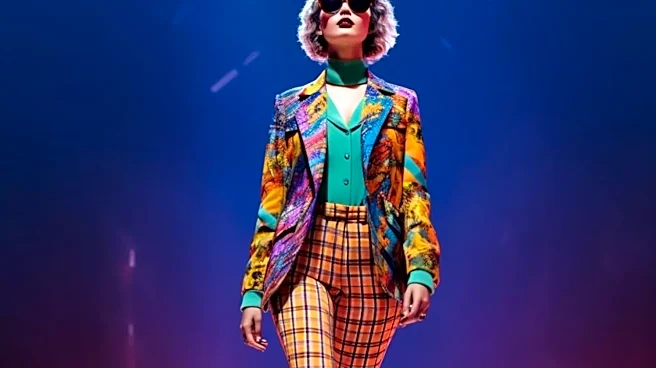
new often start by rejecting traditional textiles altogether. This is where material innovation becomes the backbone of design. Experimental fashion is defined by its willingness to use unexpected materials to create unusual silhouettes and question established norms. Instead of a simple textile, a garment might begin as a concept that demands a fabric with unique properties, whether that means sculpting with unconventional materials or integrating technology directly into the weave.
Sculptural and Subversive Materials
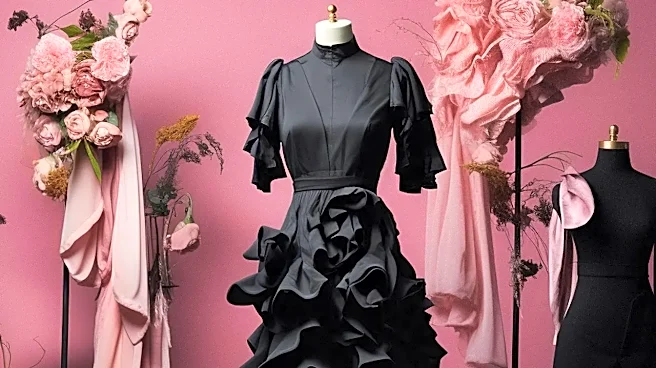
Look at the work of designers like the late Vivienne Westwood, a pioneer who used fashion as rebellion, or JW Anderson, who has famously used modeling clay as a design medium. Anderson's collection featured stiff, lumpy creations made from plasticine, a modeling clay, resulting in a look that was intentionally cartoonish and camp. Similarly, Richard Quinn is known for his mastery of regal, ultra-feminine ball gowns with dramatic shapes. This approach treats fabric not as a soft covering for the body, but as a sculptural medium. Other designers mix textures to create contrast and subvert expectations, pairing delicate lace with tough leather or deconstructing traditional textiles to give them a raw, gritty edge. It’s a collision of old-world charm and modern rebellion, proving that the beauty of experimental fashion often lies in its contrasts.
The Rise of 'Smart' and Sustainable Fabrics
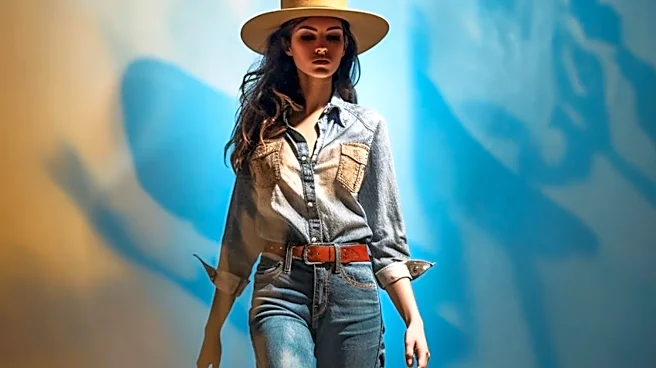
Today, a significant driver of material experimentation is sustainability. London designers are at the forefront of turning waste into high-end materials. This includes using upcycled or "deadstock" fabrics left over from other fashion houses, which might otherwise end up in a landfill. Brands like Horde Studio focus on reconstructed denim, while others like Anna Sheremetyeva create avant-garde sustainable fashion by manipulating recycled materials through handcraft. Beyond recycling, designers are embracing bio-fabrication, with materials grown from microorganisms like algae and fungi, or textiles derived from pineapple waste and citrus peels. Some of these innovative fabrics even offer added benefits; one textile made from orange processing leftovers is said to nourish the skin with citrus oils. This push towards a greener future is not just an ethical choice but a creative one, forcing designers to find beauty and utility in unexpected places.
From Runway Spectacle to Wearable Innovation
While a dress made of clay might not be practical for a morning commute, the ideas born on London's experimental runways have a way of trickling down. The innovative use of recycled yarns, zero-waste construction techniques, and unique material blends eventually influences more accessible fashion. Designers like Simone Rocha have shown how experimentalism can be romantic, creating dreamlike silhouettes by layering tulle, lace, and even embedding real flowers in organza. Others, like Stefan Cooke, are celebrated for their daring subversion of traditional textile techniques. These explorations push the entire industry forward, expanding our collective idea of what clothing can be. They prove that fabric isn't just the vehicle for the design; in many ways, it is the design.