

The Canvas Just Got Bigger
Not long ago, concert visuals were often limited to projection screens that washed out under bright stage lights or smaller, blocky LED panels. Today’s festival-sized walls are a different beast entirely. Composed of modular, high-resolution panels, they
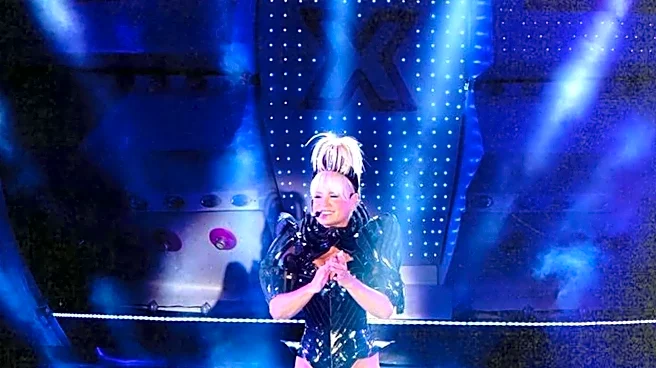
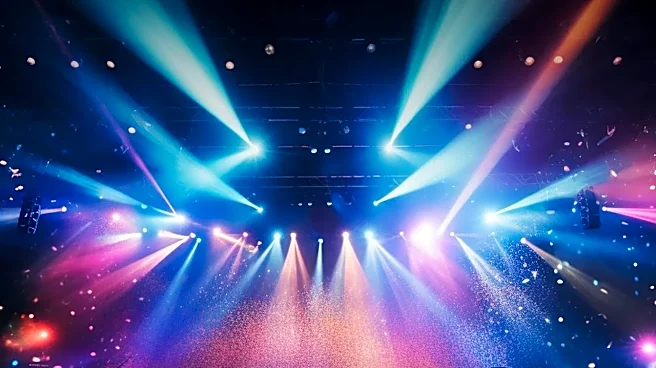
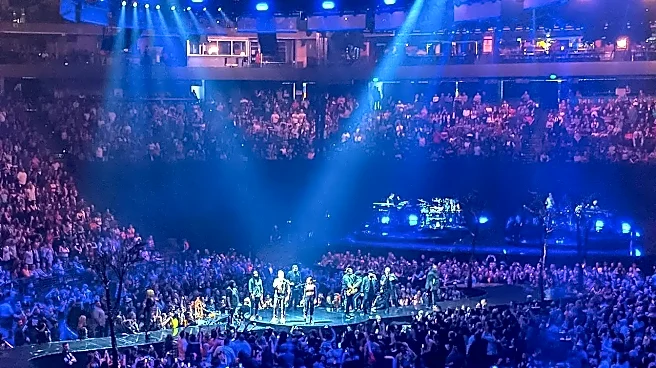
can be built into virtually any size or shape, from towering monoliths to curved, wraparound surfaces that envelop the stage. This technology delivers stunning brightness and clarity, even in daylight at outdoor festivals, creating a vibrant, seamless canvas for artists and production designers. It’s less like a giant TV and more like a dynamic, digital set piece that can transform an entire arena. For an event like the iHeartRadio Music Festival, known for its rapid, back-to-back performances by A-list talent, this flexibility is a game-changer.
From Background to Co-Star
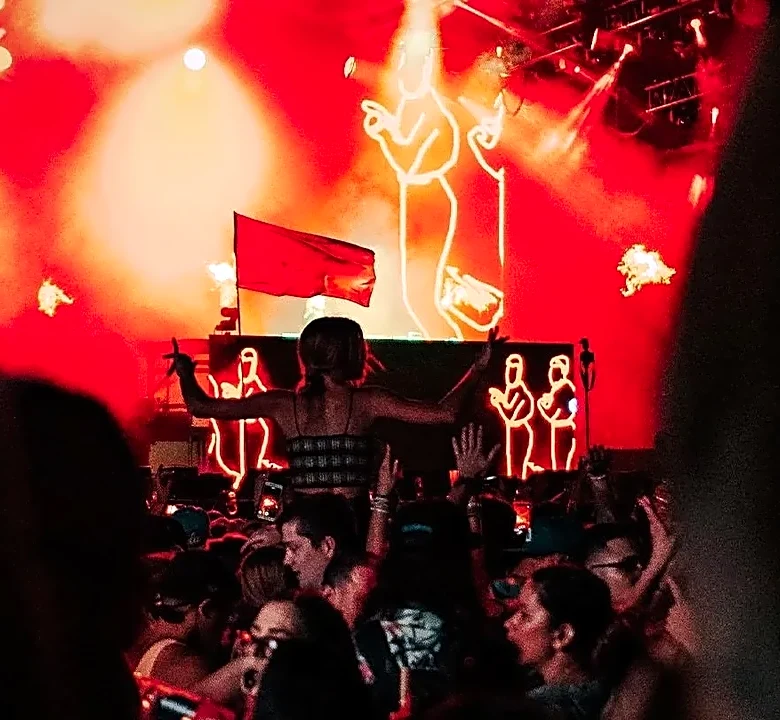
The single biggest shift is how these screens are used. They are no longer passive backgrounds but active participants in the performance. Artists now treat the LED wall as a partner in storytelling. A ballad might be accompanied by slow-moving, cinematic landscapes, while a high-energy pop track can be synced with explosive, beat-matched animations. This turns each song into its own immersive world, a multi-sensory experience that blends music and visual narrative. Production teams work with visual artists to create custom content that elevates the performance, moving beyond simple live camera feeds to intricate graphics, pre-recorded video, and even augmented reality elements. The screen becomes a co-star, amplifying the emotion and energy of the music.
New Rules for Performance and Staging
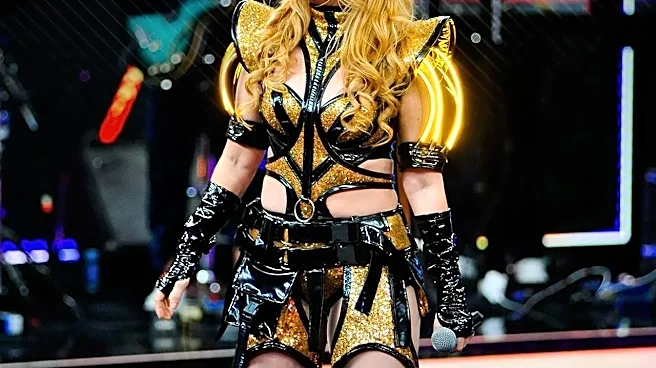
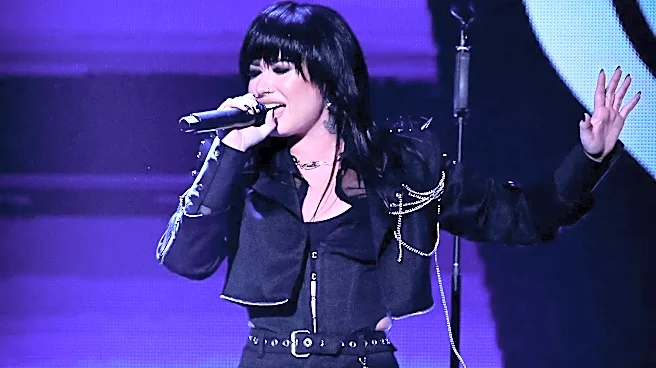
When your stage is a massive, shifting digital world, just standing and singing isn't enough. Festival-sized LED walls are forcing a change in how artists approach their entire stage presence. Choreography must now account for the visuals, with performers interacting with digital elements that appear on screen. Lighting design has to be integrated with the video content to create a cohesive look, rather than competing with it. Even costume choices can be affected by the colors and patterns projected behind them. This shift demands a more theatrical, almost cinematic approach to concert production, where every element—from the artist’s movement to the video content—is meticulously planned to work together. It essentially turns a concert into a live-action music video.
Redefining the Audience Experience
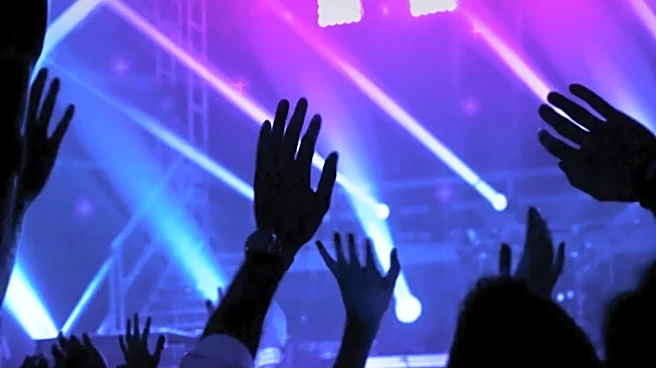
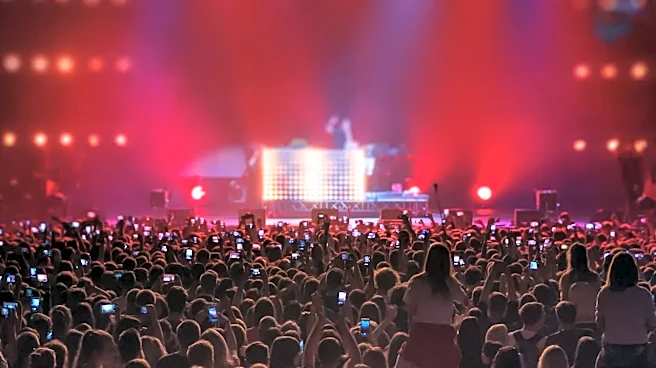
For the tens of thousands of fans in a stadium, these giant screens serve a crucial purpose: they make an immense space feel intimate. High-resolution close-ups ensure that even people in the furthest seats can see every expression and emotion on the performer’s face, creating a connection that would otherwise be impossible. But it's more than just a better view. The immersive visuals are designed to captivate the entire audience, creating collective moments of awe that become just as memorable as the music itself. Furthermore, these visual spectacles are made for the social media age. A stunning visual backdrop makes a performance instantly shareable, extending the event's reach far beyond the venue as photos and videos flood platforms like Instagram and TikTok.