





The Brutal Finality of One Bad Day
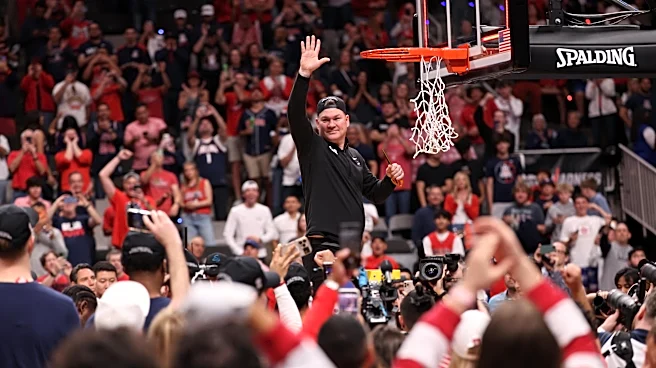
In college football, a single loss in a rivalry game can shatter a perfect season, ruin championship hopes, and grant the other side a full 365 days of bragging rights. The entire narrative of a team’s year can pivot on one heartbreaking afternoon. It’s
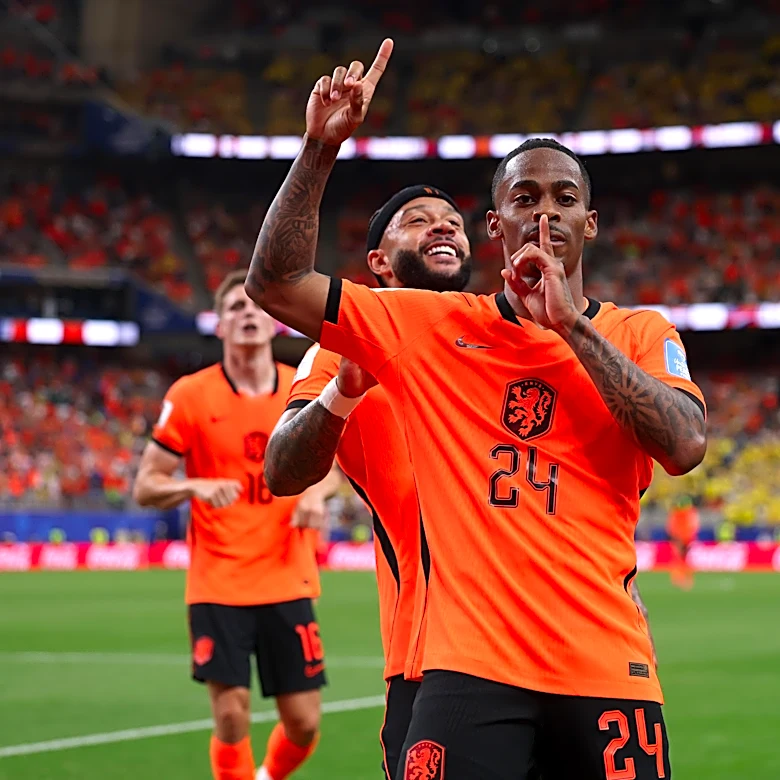
a feeling of absolute, gut-wrenching finality. Now, imagine that feeling distilled into its purest form. That’s a soccer cup knockout round. In tournaments like the World Cup or the UEFA Champions League, there are no second chances. There is no complex algorithm to save you. You don’t get to regroup for next week. You win, or you go home. A single mistake, a moment of bad luck, or a heroic save can erase four years of work. This do-or-die pressure creates an atmosphere of almost unbearable tension, identical to the weight hanging over every snap in the fourth quarter of a tie game between Michigan and Ohio State.
A City-Wide Shared Ritual
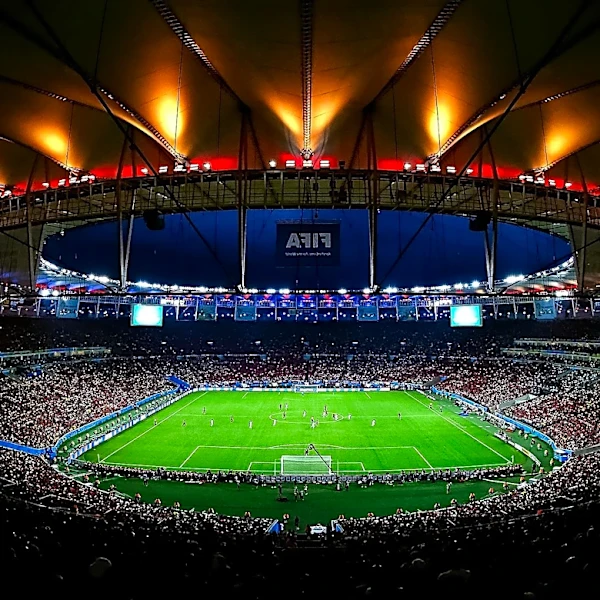
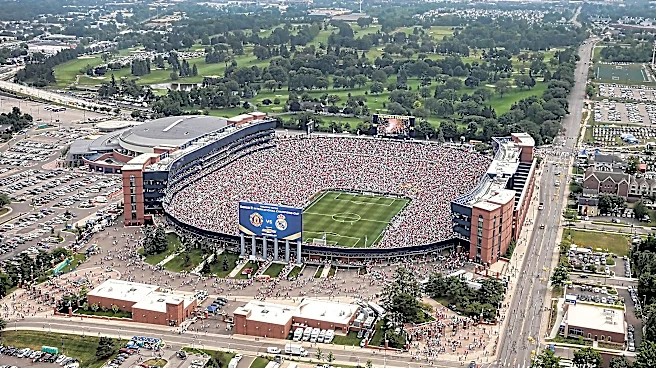
Think about what a real college football rivalry weekend does to a town. It's not just a game; it's a civic event. Flags fly from porches, local news anchors wear school colors, and every bar and restaurant becomes an extension of the stadium. It’s a collective ritual, a pilgrimage for alumni, and a source of communal identity. This is precisely the energy that overtakes nations during a World Cup. For a few hours, the normal rhythms of life stop. In places like Buenos Aires, London, or Lagos, streets empty out during the match, only to explode in celebration or collective mourning afterward. The fan in a packed pub at 10 a.m. on a Tuesday, living and dying with every touch of the ball, shares the exact same spiritual DNA as the fan grilling burgers in a Tuscaloosa parking lot at dawn. It’s about being part of something bigger than yourself, shoulder-to-shoulder with thousands of people who care just as much as you do.
The Heavy Weight of History
No great rivalry is built in a single season. It’s built on decades of history, of legendary plays, controversial calls, and iconic heroes. When Alabama plays Auburn, they’re not just playing the current roster; they’re playing against the “Kick Six” and every ghost of games past. This deep, historical context is what gives the event its soul. A knockout match between, say, Germany and England in a major tournament isn't just about the 22 players on the field. It’s about 1966, the penalty shootout in 1990, and the goal-line technology debate of 2010. Every encounter adds a new chapter to a story that spans generations. Fans carry the baggage of past heartbreaks and the glory of past triumphs into every viewing. This shared memory is a powerful force, turning a simple game into a saga.
It’s All About the Narrative
Ultimately, both events thrive on narrative. We need heroes and villains. We need a star quarterback leading a last-minute drive, and we need a clinical striker stepping up to take a tournament-defining penalty. We need the grizzled veteran defender and the brash young phenom. The drama isn’t just in the score; it’s in the human stories playing out on the field. The agonizing tension of a penalty shootout is sports theater at its most primal. Each kick is a self-contained story of courage or failure. It mirrors the feeling of watching a kicker line up for a 50-yard field goal as time expires, with an entire stadium holding its breath. The outcome will crown a hero or create a scapegoat, and everyone watching knows it.