






The Foundation: Effortless Scandi Style
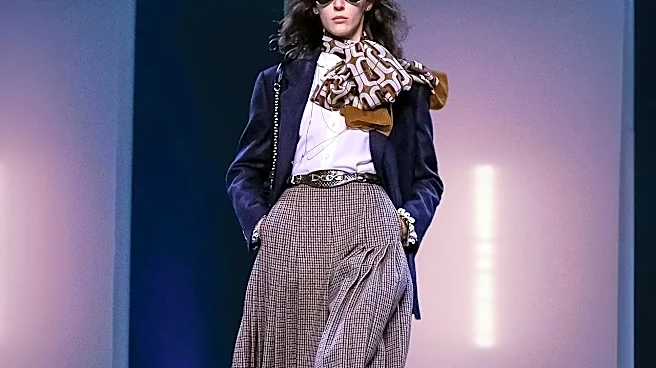
The bedrock of Copenhagen’s fashion identity is the Scandinavian aesthetic itself. Rooted in principles of minimalism, functionality, and comfort, this style was born from necessity in a region with harsh weather. Think durable, high-quality materials
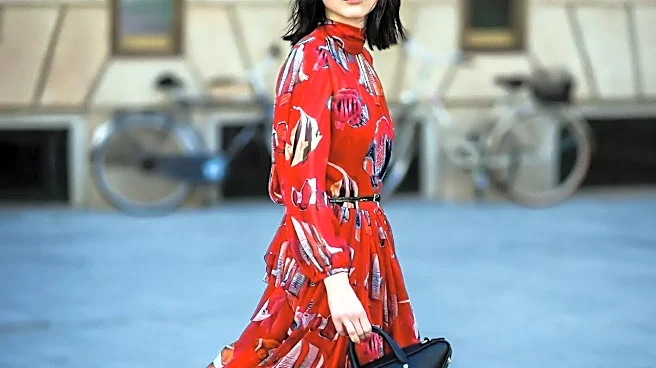
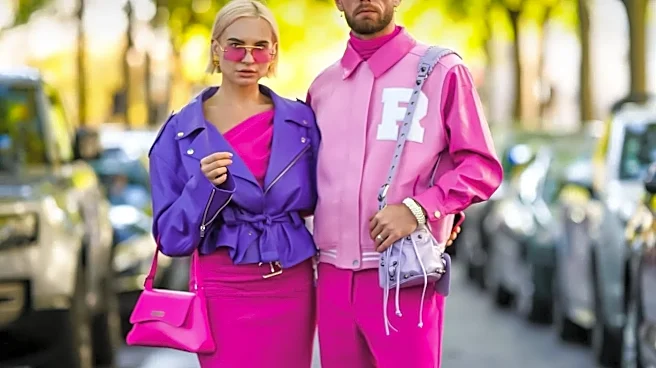
like wool and linen, clean lines, and a general philosophy of "less is more." But Danish style adds a playful, often colorful twist to this practical foundation. It's not about being severe or boring; it’s about creating an interesting silhouette that is, above all, wearable. This is fashion for people who ride bikes to work, who value comfort without sacrificing elegance, and who prefer timeless quality over fleeting, logo-heavy trends. It strikes a balance between masculine and feminine shapes, often using oversized coats, layered knits, and flat shoes to create a look that is both relaxed and distinctly put-together.
The Engine: Copenhagen Fashion Week’s Big Bet
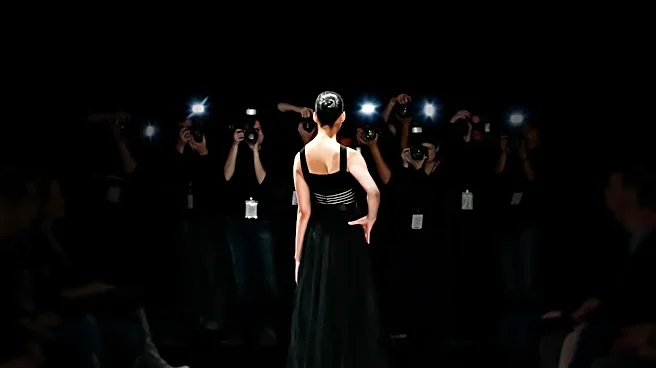
A cool aesthetic alone doesn't create a fashion capital. The real catalyst was the strategic transformation of Copenhagen Fashion Week (CFW). What started as a small, regional trade fair in the 2000s made a bold and visionary decision: it would become the world's leading platform for sustainable fashion. In 2020, CFW introduced a Sustainability Action Plan, making it mandatory for all participating brands to meet a strict set of minimum standards by 2023. These aren't vague suggestions. Brands are required to use a significant percentage of sustainable or recycled materials, eliminate single-use plastics, ensure fair labor conditions, and are forbidden from destroying unsold clothes. This move was a game-changer. In an industry often criticized for greenwashing, CFW's strict, verifiable requirements gave it a powerful and authentic identity, attracting global attention from press and buyers looking for the future of the industry.
The Breakout Stars: Ganni and a New Generation
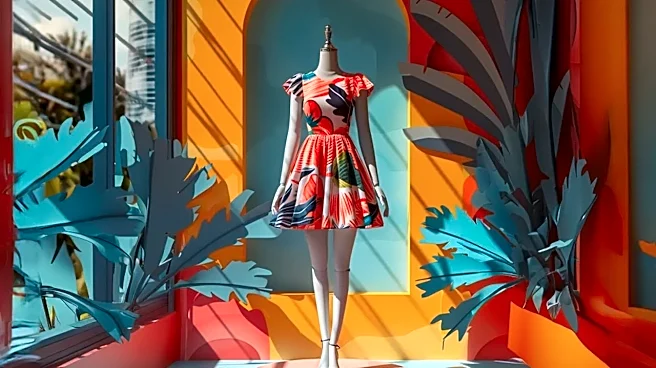
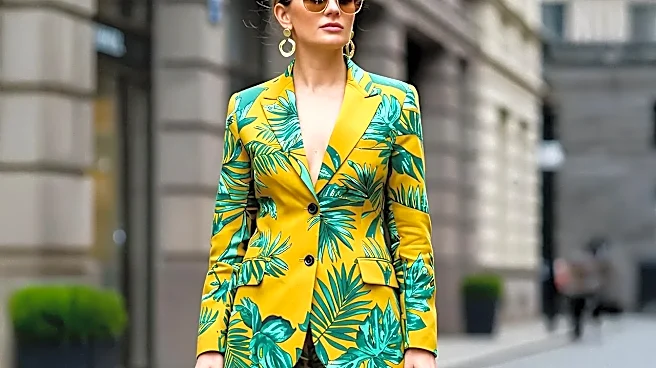
Every movement needs its stars, and for Copenhagen, the rise of brands like Ganni provided the perfect case study. Ganni took the core of Scandi style—wearability and quality—and injected it with a dose of playful prints, vibrant colors, and unexpected details. It became an instant hit on social media and with international buyers, proving that Danish fashion could be both commercially successful and creatively exciting. Ganni's success paved the way for a wave of other designers, like the ethereal Cecilie Bahnsen, known for her voluminous, cloud-like dresses, and Stine Goya, with her joyful use of color and pattern. These brands demonstrated a distinct point of view that felt fresh and different from what the established fashion capitals were offering. They weren't just making clothes; they were exporting a coveted lifestyle.
More Than Just Fashion
Ultimately, Copenhagen's success is about more than just clothes; it’s about a holistic cultural appeal. The city is globally recognized for its leadership in design, architecture, food, and quality of life. The fashion scene is a natural extension of this broader cultural ecosystem. The emphasis on sustainability in fashion mirrors the city's own green initiatives. The focus on well-made, functional design reflects a long tradition in Danish furniture and architecture. This gives the fashion scene an integrity and depth that resonates with a global audience weary of fast-fashion cycles. Attending Copenhagen Fashion Week is not just about seeing new collections; it's about immersing oneself in a culture that prioritizes thoughtful design, livability, and a progressive vision for the future.