





The Anatomy of a Holiday Fail
It’s a story many of us know by heart. The turkey, after hours of meticulous basting, emerges from the oven either tragically undercooked or a smoldering wreck. Or maybe the gravy develops lumps that defy every whisk and prayer. Surveys of common holiday
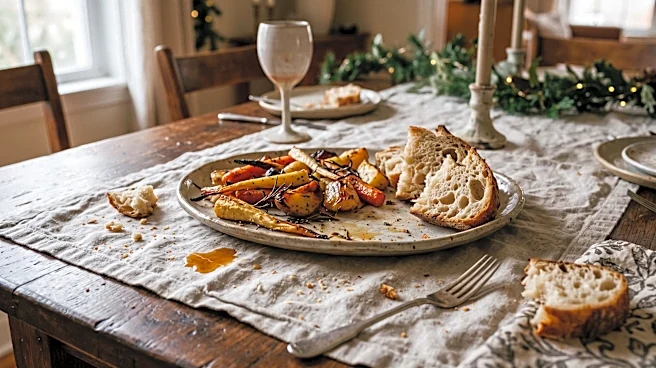
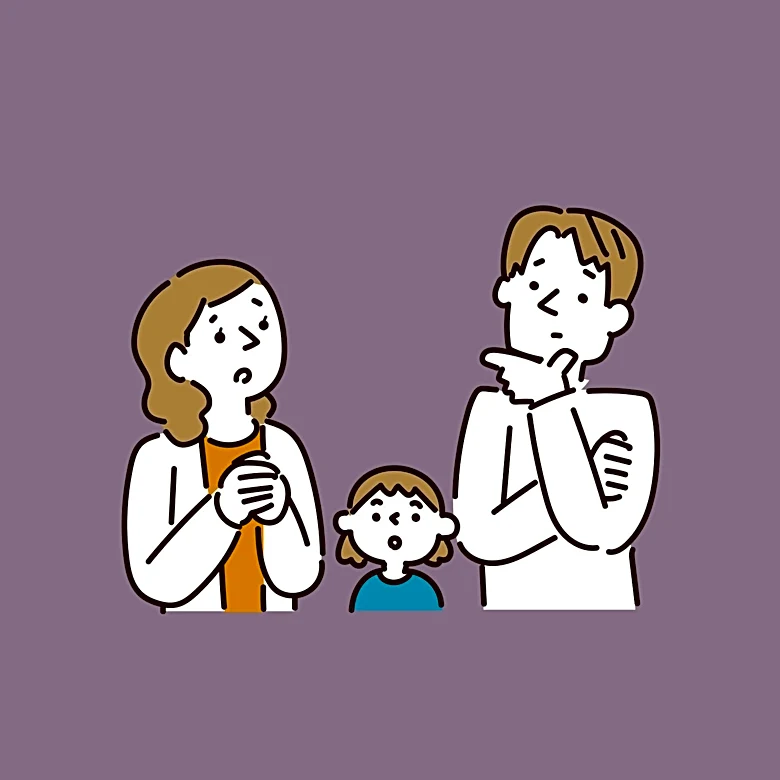
disasters are a comedy of culinary errors: forgotten ingredients, burnt side dishes, and the classic failure to defrost a key component in time. In that moment, as smoke detector wails or a pie slides to the floor in slow motion, panic sets in. The carefully constructed vision of a flawless gathering shatters. All that planning, the lists, the stress—it all culminates in a moment of pure, unadulterated failure.
The Unrealistic Pressure for Perfection
This panic is fueled by the immense pressure to create a 'perfect' holiday experience. Psychologists note that the season often amplifies our anxieties and perfectionist tendencies. We're surrounded by idealized images on social media and in advertisements, creating an unspoken competition to host the most flawless gathering, give the most thoughtful gifts, and stage the most joyful family photos. This drive is often rooted in a fear of judgment or a feeling that our self-worth is tied to our ability to perform as the perfect host. The result isn't joy, but burnout, stress, and a crushing sense of disappointment when reality inevitably fails to meet our sky-high expectations.
The Moment Everything Changes
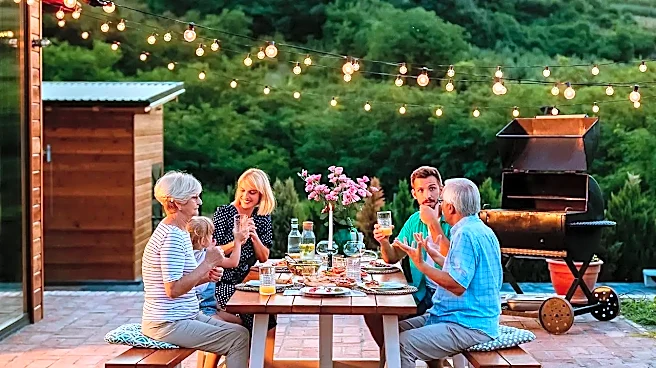
But then, something remarkable happens in the wreckage of the dinner disaster. After the initial shock, a laugh breaks the tension. Someone makes a joke about ordering pizza. The kids, oblivious to the culinary tragedy, are just happy everyone is together. In this moment of shared vulnerability, the pretense of perfection falls away. When things go wrong, people are forced to drop their carefully maintained roles and just be human together. A crisis, even a small, gravy-related one, can become an opportunity for deeper connection. Instead of performing for each other, family members unite to solve a problem, offering help and reassurance without judgment. The goal shifts from flawlessness to togetherness.
Forging Family Lore from Failure
Years from now, no one will remember the perfectly seared scallops from 2024. But they will absolutely remember the year the dog stole the roast, or the Thanksgiving the fire department made a brief, unscheduled appearance. These mishaps become the stories told and retold, the inside jokes that form the bedrock of family lore. Research and anecdotal evidence alike show that these emotionally charged, unexpected events are what stick in our memories. They are the moments that give a family its unique texture and history. A study found that while people feel frustrated by mishaps in the moment, they later look back on them with feelings of entertainment and nostalgia. The disaster is no longer a failure; it’s the origin story of a beloved family legend.