



The Fabric Feel Test
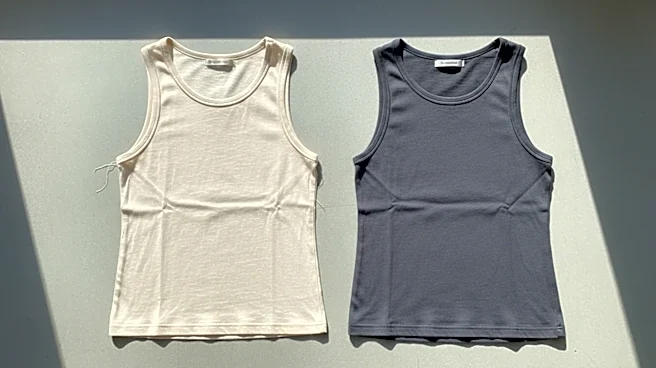
The most immediate difference is how the material feels against your skin. A typical mid-range tank top is often made from standard cotton or a blend. It might feel soft enough off the rack but can quickly lose its shape, become thin, or start pilling
after a few washes. You can often see through the fabric when you hold it up to a light source. In contrast, a premium tank top is built on a foundation of superior fabric. Brands in this tier invest in materials like Supima or Pima cotton, which have extra-long staple fibers. These longer fibers create a yarn that is stronger, softer, and more resistant to pilling and tearing. The resulting fabric feels smoother, more substantial, and has a subtle, natural sheen. It's more durable and retains its softness and shape far longer than its less expensive counterparts.
A Close Look at Stitching and Seams
Next, inspect the seams and stitching—this is where craftsmanship truly shows. On a mid-range tank, you’ll likely find basic overlock stitching, which is fast and cost-effective. The stitching may be inconsistent, with loose threads or a lower number of stitches per inch, making the seams weaker and prone to puckering or coming undone. A premium garment, however, often features more meticulous construction. Look for dense, even stitches that create a smooth, flat seam. Some high-quality tops use French seams, where the raw edge is tucked away and sewn twice, or flat-felled seams (common in denim) for maximum durability. While these techniques are more labor-intensive, they result in a cleaner look and a garment that is significantly more resilient to wear and tear. Turn the tank top inside out; the inside of a premium piece should look almost as tidy as the outside.
The Importance of Cut and Construction
How a tank top is cut and assembled determines its fit and how it holds up over time. Many mass-market tanks are cut from tubular-knit fabric, a cost-saving measure that can cause the side seams to twist and warp after washing. The fit might be less precise, looking boxy or sloppy. Premium brands invest more in the design and pattern-making process. A well-constructed tank is made from pieces that are cut and sewn to flatter the body's contours. This includes details like darts for shaping or a well-designed back that complements the shoulder blades. The overall structure helps the garment drape beautifully and maintain its intended shape, preventing that frustrating post-laundry twisting. The fit of a premium tank is more intentional, whether it's designed to be slim, relaxed, or draped.
Finishing Touches That Signal Quality
The small details often tell the biggest story. On a mid-range tank, pay attention to the binding around the neckline and armholes. Is it a thin, flimsy piece of fabric that looks like it will stretch out or ripple (often called 'bacon neck')? This is a common area where costs are cut. In a premium tank, this binding will be more substantial, made from a quality ribbed fabric that lies flat and has been attached with care and precision. Other indicators of quality include the consistency of the dye job and whether the fabric has been pre-shrunk to minimize shrinkage at home. While a higher price tag isn't always a guarantee of better quality, these tangible markers provide a reliable guide to what you're actually paying for.