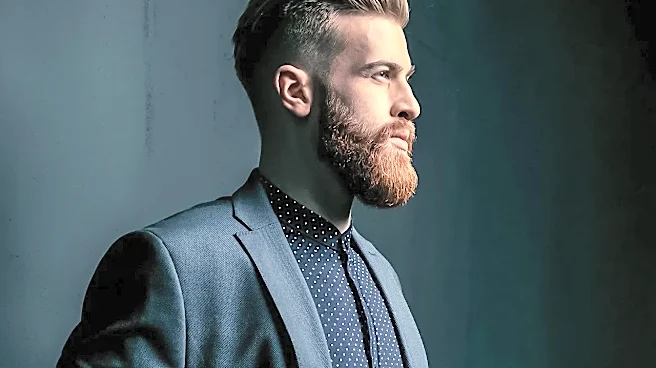

From Barracks to Barbershops
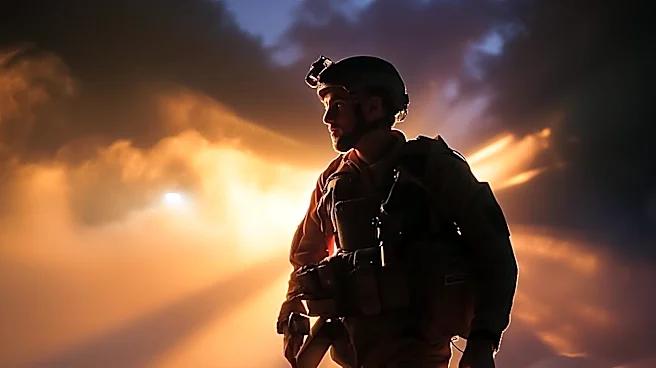
The modern fade's journey began not on a fashion runway, but in the disciplined environment of the U.S. military in the 1940s and '50s. The haircut, known for its practicality, kept soldiers' hair neat,
clean, and manageable in the field. This military-standard cut, often called a "high and tight," symbolized uniformity and discipline. As servicemen returned to civilian life, they brought the sharp, tapered style with them, where it was adopted as a clean-cut, respectable look. However, its transformation from a regulation trim into a cultural phenomenon happened somewhere else entirely.
The Rise of a Cultural Icon
The true cultural heart of the fade beats in Black barbershops. While some historians note that similar blended styles existed in Black communities even earlier, the 1980s and the birth of hip-hop propelled the fade into a new stratosphere. The high-top fade became an emblem of a new generation's confidence and creativity. Artists like Big Daddy Kane, Rakim, and a young Will Smith on "The Fresh Prince of Bel-Air" turned their hair into architectural statements of pride and identity. The fade was no longer just a haircut; it was a canvas for self-expression, a symbol of swagger, and a core element of hip-hop's visual language.
The Barbershop as a Sanctuary
To understand the fade, you have to understand the Black barbershop. For generations, these shops have been more than just places for a trim; they are vital community hubs. They are safe spaces for conversation, mentorship, and cultural exchange, especially during eras when such spaces for Black men were scarce. Getting a fade wasn’t a simple transaction. It was a ritual of sitting in a trusted chair, engaging in debate, and walking out feeling affirmed. The barber was, and is, a respected artisan and community pillar. The precision of the fade reflected a sense of dignity and self-respect that was cultivated within those walls.
Lost in Translation?
Today, the fade is a global phenomenon, requested in salons from Seoul to São Paulo. Its versatility is undeniable—it can be adapted for any style, from subtle and professional to bold and edgy. But as the haircut has entered the mainstream, its deep cultural roots are often overlooked. When a stylist at a high-end salon treats a skin fade as just another item on a menu of services, they are missing the history. They are missing the story of military discipline, the chronicle of hip-hop's rise, and the legacy of the barbershop as a cornerstone of the Black community. The technique can be replicated, but the context is what gives it meaning.