



The Daytime Gauntlet: Sun, Sea, and Water Taxis
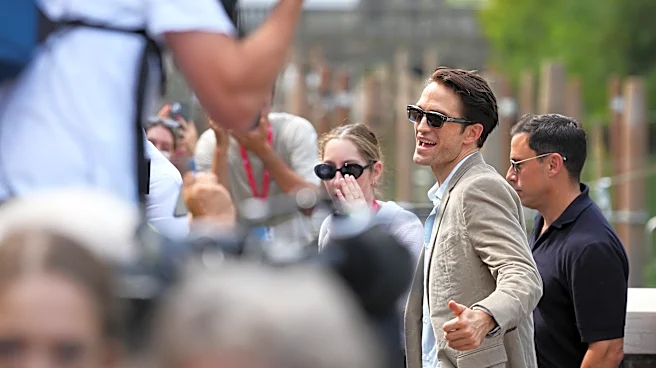
Unlike other major festivals, much of Venice's iconic action happens during the day, out in the open. Celebrities often arrive not by limo but by water taxi, creating a highly photographed moment against the backdrop of Venetian architecture. This means
their makeup is first seen in the bright, unforgiving Italian sun. Natural light is notoriously honest, revealing any heavy-handed application or mismatched foundation. The sunlight reflecting off the canals adds another layer of complexity, creating a bright, diffuse light that demands a fresh, natural-looking base. Makeup artists aim for a skin-like finish, often using lightweight foundations and ensuring everything is perfectly blended to avoid looking cakey.
From Golden Hour to Flashbulb Frenzy
As the sun sets over the Lido, the lighting challenge shifts dramatically. The evening red carpet premieres are a whirlwind of flash photography. This artificial light is harsh and cool-toned, and it interacts with makeup in completely different ways than sunlight. A camera flash can wash out color, making vibrant blush or lipstick look muted. More critically, it can cause "flashback," a ghostly white cast that appears in photos when light bounces off certain ingredients, like some types of silica or SPF, in foundation and powder. A look that appeared warm and glowing in person can suddenly look flat or stark white in pictures, forcing artists to create a look that can stand up to both extremes.
The Artist's Toolkit for a Flawless Base
To navigate these competing demands, makeup artists rely on specific techniques and products. The process begins with meticulous skin prep to create a smooth canvas. A good primer is essential to help makeup last and to control shine under flash. Artists often layer products, using long-wear liquid or cream foundations and strategically applying powder. To avoid the dreaded flashback, they typically use foundations with no SPF and set the makeup with finely milled, translucent setting powders, which lock everything in place without adding texture or causing a white cast. The key is building coverage in thin layers for a durable but believable finish.
Strategic Color for Eyes, Cheeks, and Lips
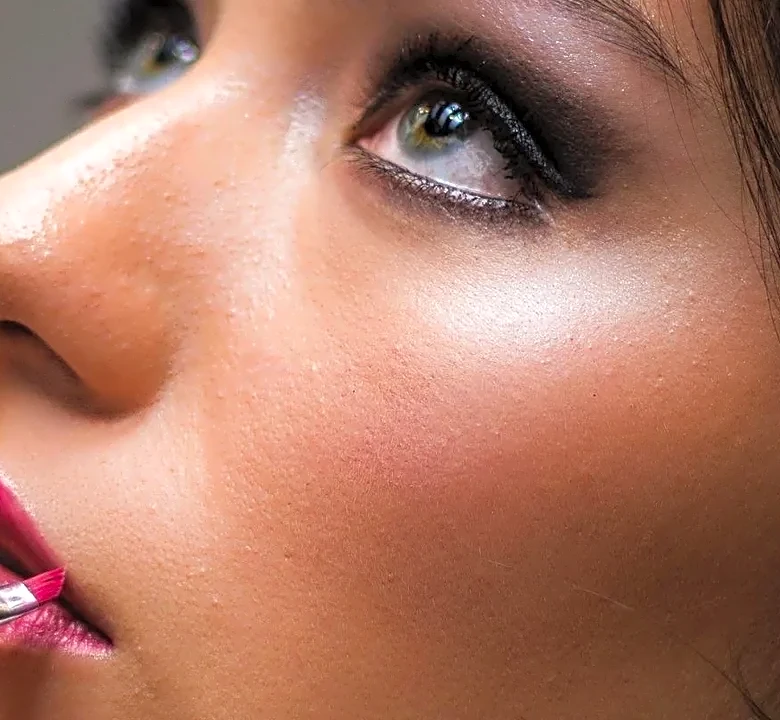
When it comes to color, the goal is balance. The shades have to be soft enough for daytime photo calls but pigmented enough to not disappear under evening lights. For cheeks, artists often layer a cream blush under a powder blush to create a long-lasting, natural-looking flush that has dimension on camera. For the eyes, a classic smoky eye is popular because it photographs well, but artists often use shades of bronze or espresso instead of harsh black, which can make eyes look smaller under flash. Waterproof eyeliners and mascaras are non-negotiable to prevent smudging. Finally, to make lipstick last, many artists will line and fill the entire lip, apply lipstick, blot, and then dust with powder before a final coat.