




A Search for Control
At its core, sports fandom is an exercise in helplessness. You can scream at the TV, wear your favorite player’s jersey, and analyze every tactical decision, but you have zero actual influence on the outcome of the game. This is where superstition comes
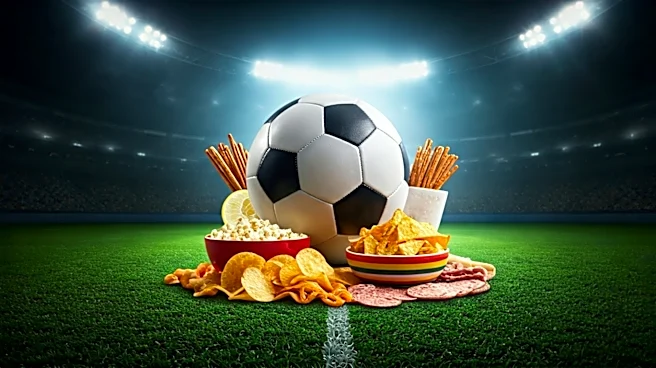
in. Psychologists call it 'magical thinking,' a cognitive shortcut where we create a link between our actions and an unrelated event. Did your team score right after you opened a bag of chips? Congratulations, those are now 'lucky chips.' This phenomenon, known as illusory correlation, gives us a perceived sense of control in a chaotic situation. By preparing a specific dish or eating a certain snack, fans feel like they are actively participating, doing their part to push the team over the line. It’s a way of managing the intense anxiety that comes with having your hopes pinned on 11 players thousands of miles away. The food isn't just food; it's a tool for emotional regulation.
Eating Your Allegiance
Food is one of the most powerful expressions of national identity. During a global tournament like the World Cup, where national pride is on the line, food becomes a banner you can wave with your fork. For Argentinian fans, the pre-game *asado* (barbecue) is practically a sacred rite. It’s not just a meal; it’s a communal gathering that reinforces cultural bonds and collective hope for the *Albiceleste*. Similarly, a massive pot of *feijoada*, a rich black bean and pork stew, might simmer in Brazilian households on match day. These dishes are culinary shorthand for 'home.' By consuming them, fans aren't just hoping for luck; they are performing their national identity, drawing a delicious line between themselves and the team they support. It’s a way of saying, 'We are all in this together,' from the star striker to the person manning the grill.
The Comfort of Tradition
Many lucky food rituals aren't born from a single moment but are passed down through generations. Maybe your dad always made chili for the big game in '94, and since the U.S. had a good run, it became the official tournament food for your family. Once a ritual is associated with a positive memory (a big win, a fun family gathering), it sticks. The comfort of the food itself gets intertwined with the comfort of the tradition. These rituals provide a sense of continuity and stability. World Cup tournaments happen every four years, marking different stages of our lives. The players change, the venues change, but the family recipe for 'victory dip' remains the same. It connects the present moment to past joys and creates a predictable, comforting anchor in the emotionally turbulent sea of knockout soccer. The food becomes a time machine, linking this game to all the great games that came before it.
When Commerce Meets Superstition
Of course, where there is passion, there is profit. Brands are keenly aware of these fan rituals and are more than happy to help them along. You’ll see potato chip brands release 'stadium hot dog' flavors, beer companies wrap their cans in national flags, and pizza chains offer 'hat-trick deals.' This commercialization reinforces the link between food and fandom. When a snack becomes the 'Official Sponsor' of a team or league, it gains a layer of legitimacy in the fan's mind. This marketing doesn't necessarily create the superstitions, but it amplifies them, making them more visible and widespread. It transforms a personal or family quirk into a nationally recognized ritual, cementing the idea that what you eat while you watch is an essential part of the experience.