

The Art of the Interruption
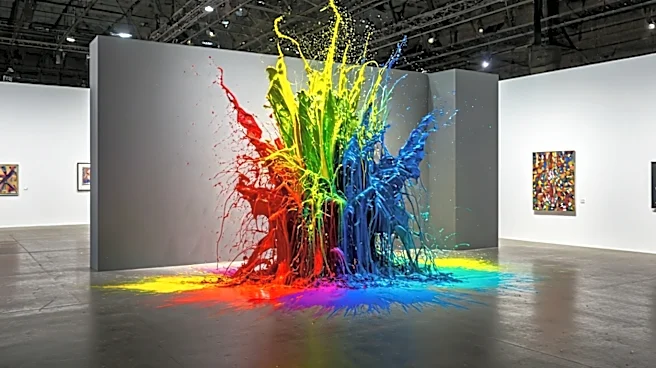
Frieze New York, like most major art fairs, is a meticulously curated machine. Held annually on Randall's Island or more recently at The Shed, it’s a sprawling, pristine environment where multi-million dollar deals are brokered over glasses of champagne. The aisles are clean, the lighting is perfect, and every piece of art is precisely placed and priced. It’s a temple to the art market. And that’s exactly what makes guerrilla performances so electrifying. A “guerrilla” or “unsanctioned” performance is exactly what it sounds like: art that happens without permission. It’s not on the program, the gallery hasn’t paid for the space, and the fair organizers might not even know it’s happening until it’s over. It’s a deliberate, often critical, interruption
of the commercial flow.
The Thrill of the Unpredictable
So, why the obsession? In an environment designed for predictability, the guerrilla performance offers a jolt of pure, unadulterated surprise. You might witness an artist silently polishing the floor in a janitor’s uniform for three hours, a group staging a fake protest with nonsensical signs, or someone handing out free, bizarre sculptures from a backpack. The appeal is rooted in the break from consumerism. For a moment, you’re not a potential buyer or a passive spectator; you’re a participant in an event that is fleeting, free, and utterly confusing. This creates an immediate bond among those who witness it, a shared secret in a place that’s otherwise all about public status. It’s the art world equivalent of a flash mob, but with a sharper, more intellectual edge.
A Critique From Inside the Tent
These performances aren’t just pranks; they are often pointed critiques of the very system they infiltrate. By staging unsanctioned work, artists question the gatekeeping mechanisms of the art world. Who decides what is valuable? Does art need a gallery’s blessing to be legitimate? Collectives like the now-disbanded Bruce High Quality Foundation were masters of this, famously arriving at a Miami art fair in an ambulance to hand out free art, a stunt that playfully skewered the market’s life-or-death intensity. These acts force a moment of introspection. They hold up a funhouse mirror to the commercialism, the social climbing, and the occasionally absurd seriousness of the high-end art scene. It’s a necessary dose of self-awareness, delivered from within the belly of the beast.
The Myth of 'You Had to Be There'
In the age of social media, the life of a guerrilla performance has changed. What was once a purely ephemeral moment, existing only in the memories of a few lucky attendees, is now instantly captured and broadcast on Instagram and TikTok. This has a dual effect. On one hand, it amplifies the artist’s message far beyond the confines of the fair. On the other, it enhances the mythos of the event. The blurry photo or shaky video proves you were there, part of the exclusive in-crowd that witnessed the “real” art happening between the sales booths. This digital afterlife makes the obsession even stronger. It creates a powerful sense of FOMO (fear of missing out) and turns attendees into cultural detectives, always scanning the crowd for the next strange, unscripted moment that might just be the most important work of art at the fair.