






1. Build on a Neutral Foundation
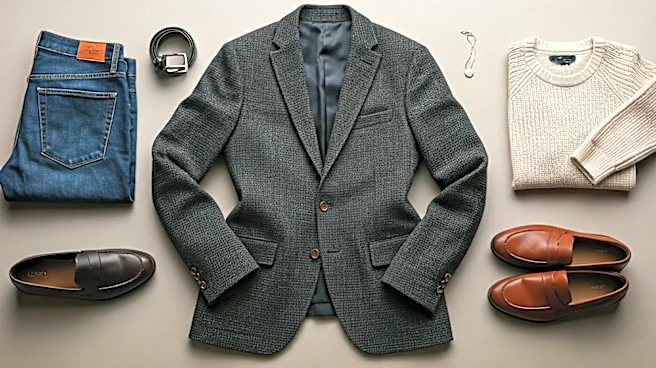
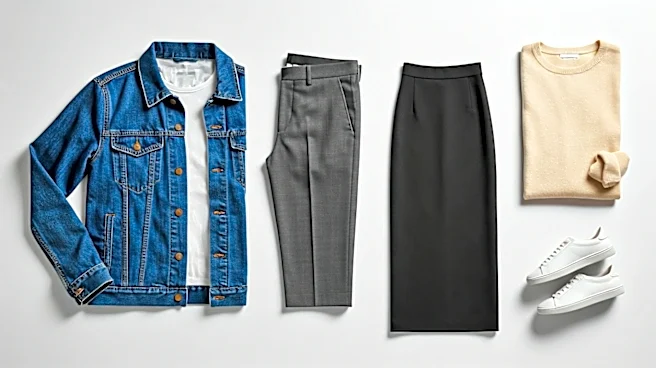
This is the golden rule for integrating color gracefully. Think of neutrals like gray, beige, navy, white, and black as your canvas. When the majority of your outfit consists of these grounding shades, a splash of color feels intentional rather than accidental.
For example, try a vibrant cobalt blue sweater with a pair of classic gray trousers, or a bright kelly green blouse tucked into a navy skirt. The neutrals absorb the intensity of the brighter piece, creating a balanced, sophisticated look that reads as confident, not chaotic. This method allows the color to be the star of the show without overwhelming the entire production.
2. Master the 'One Pop' Rule
If you’re just starting your journey with color, the 'one pop' rule is your best friend. It’s simple, low-risk, and incredibly effective. The idea is to wear an outfit composed almost entirely of neutrals and then introduce a single, powerful accent of color. This could be a pair of bright red heels with an all-black outfit, a striking yellow handbag carried with a camel coat and jeans, or a bold fuchsia scarf paired with a cream-colored sweater. The singular nature of the color pop draws the eye and adds personality, but because it's contained, it never feels like too much. It’s a statement, but a controlled and elegant one.
3. Go Monochromatic with a Twist
Wearing one color from head to toe might sound intimidating, but it's actually one of the most chic and slimming ways to wear a bold hue. The key is to play with different tones and textures within the same color family. Instead of an identical shade of fire-engine red for your top and bottom, try pairing a burgundy silk camisole with a deeper oxblood-colored pair of pants. Or, combine a chunky forest green knit sweater with smoother olive green trousers. The subtle variation in shade and fabric adds depth and visual interest, proving that you can be fully saturated in a color without looking like a cartoon character. It’s a powerful, fashion-forward approach that’s surprisingly easy to pull off.
4. Use Analogous Colors
Ready for some light color theory? Analogous colors are shades that sit next to each other on the color wheel, like blue and green or orange and yellow. Because they are neighbors, they have a natural harmony that makes them easy to pair together. This is a step up from the 'one pop' rule but is still very manageable. Try pairing a teal top with navy pants, or a lavender sweater with a periwinkle skirt. The effect is colorful and dynamic, but because the hues are related, the overall look feels cohesive and pleasing to the eye, not jarring. It’s the perfect way to wear multiple colors without veering into 'all of the colors' territory.
5. Start with Accessories
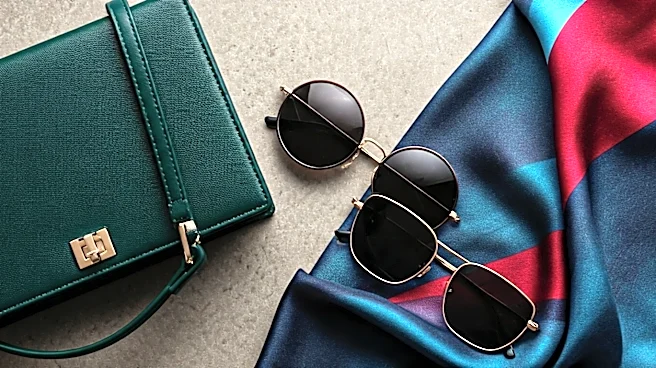
The lowest-commitment, highest-reward way to play with color is through your accessories. A full-on bright orange dress can feel like a major leap, but an orange belt, watch band, or pair of earrings is a simple dip of the toe into the colorful water. Accessories are the perfect testing ground. You can experiment with shades you’re drawn to but aren't sure how to wear. A colorful statement necklace, a patterned silk pocket square, a vibrant pair of socks peeking out from your shoes, or even a bold lipstick can completely transform a simple outfit. If you decide you don't like it, you can take it off without having to change your entire look.
6. Consider Fabric and Fit
The same exact color can look wildly different depending on the material. A bright yellow in a shiny, synthetic fabric will always feel louder than the same shade in a soft, matte cashmere or cotton. When you want to wear a bold color without it screaming, opt for natural, textured fabrics. Linens, wools, and raw silks absorb light and soften the impact of a hue. Similarly, the fit matters. A simple, well-tailored silhouette—like a classic blazer or a straight-leg pant—in a shocking pink feels more polished and intentional than a fussy, overly detailed garment in the same color. Clean lines help temper a color's intensity.