







The Screen: Size vs. Perfection
IMAX’s entire brand is built on one thing: scale. Its signature feature is a massive, floor-to-ceiling screen with a taller aspect ratio. For films shot with special IMAX cameras (think Christopher Nolan epics), this means you see up to 26% more picture
than in any other format, filling your peripheral vision and creating an unparalleled sense of immersion. The goal isn't just a big screen; it's a window so large it disappears. Dolby Cinema, on the other hand, isn't primarily focused on size. It uses a more traditional widescreen format but ensures the screen itself is a perfect canvas for its projection technology, free from distortion and optimized for every seat. The choice here is philosophical: do you want to be overwhelmed by sheer size, or see a perfectly framed image?
The Picture: Brightness vs. Contrast
This is where the two formats truly diverge. Dolby Cinema’s secret weapon is Dolby Vision, a high dynamic range (HDR) projection system that produces astonishing contrast. It uses dual 4K laser projectors capable of displaying true, absolute black because they can essentially turn pixels off. This results in a contrast ratio that makes standard theaters look gray and washed out. For movies with dark, shadowy scenes or vibrant, nuanced colors, Dolby Vision is king. IMAX, particularly in its newer “IMAX with Laser” theaters, also uses dual 4K laser projection and offers a brilliantly bright picture. This brightness is crucial for making its giant screen pop and for delivering a vibrant 3D experience. However, its advantage lies more in brightness and scale than the deep, inky blacks and hyper-precise color grading that define Dolby Vision.
The Sound: Power vs. Precision
Both formats offer a massive upgrade over standard theater sound, but they have different approaches. Dolby Cinema uses Dolby Atmos, an object-based sound system that can place and move individual sounds anywhere in a 3D space. With up to 64 speakers, including overheads, audio designers can make a helicopter sound like it's genuinely flying over you. It's about precision and creating a convincing, three-dimensional soundscape. IMAX uses its own powerful, proprietary 12-channel sound system. It’s not object-based like Atmos, but it’s engineered to create a visceral, room-shaking experience that matches the scale of the screen. Fans describe IMAX sound as something you feel in your chest—a wall of sound that is incredibly powerful and immersive, even if it's less nuanced than Atmos.
The Experience: Immersion vs. Luxury
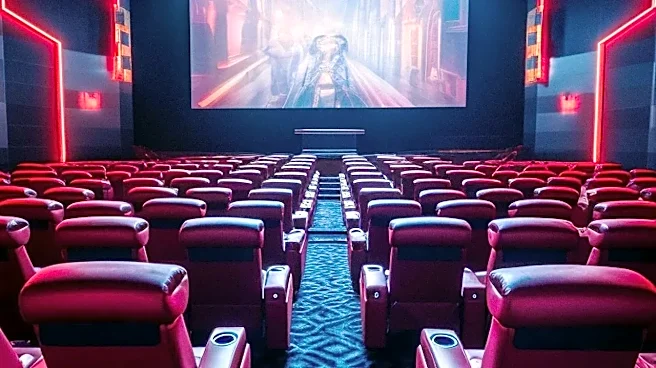
A ticket to a premium format is for the whole experience, seating included. This is an area where Dolby often has a clear edge. Dolby Cinema theaters are designed as a complete package, featuring plush, spacious leather recliners that often have transducers built in to rumble with the bass. The auditoriums are typically smaller and designed with stadium seating where every seat is the “best seat in the house.” IMAX also uses stadium seating to ensure good sightlines in its massive auditoriums, but the seats themselves are generally standard theater chairs—not luxury recliners. The entire design of a Dolby Cinema, from the signature entranceway to the acoustic paneling, is about creating a controlled, premium environment from start to finish.