






The Ankle-Level Tell
On a night defined by life-altering handshakes and camera flashes, the real fashion-forward thinking at the 2024 NBA Draft happened below the cuff. While viewers debated the merits of wide-leg trousers and double-breasted jackets, a handful of top prospects
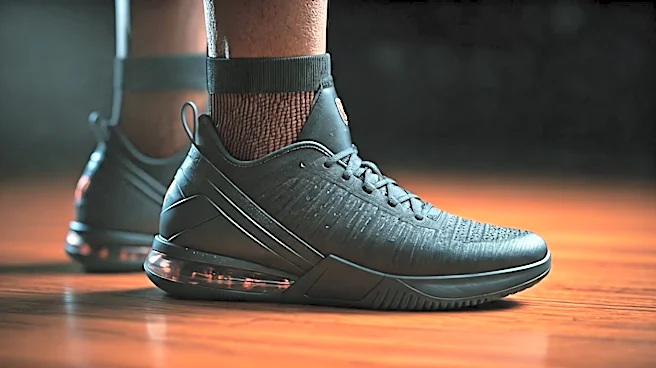
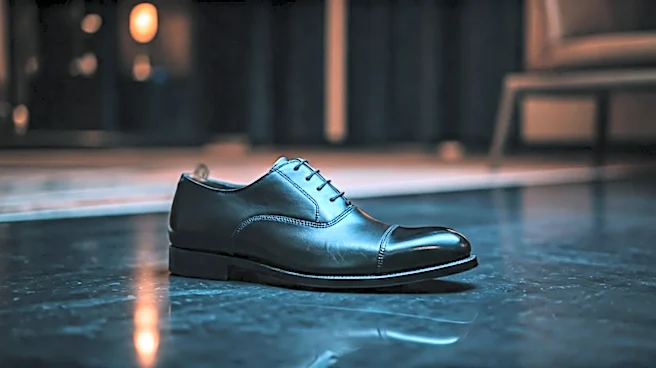
made a different kind of statement. UConn’s Stefon Castle, selected by the San Spurs, and French phenom Zaccharie Risacher, the No. 1 overall pick, both sported a subtle but unmistakable detail with their loafers: the sheer sock. This wasn't a case of forgetting to wear socks. This was a deliberate, almost delicate choice. The thin, translucent fabric offered a glimpse of skin, disrupting the opaque uniformity of the typical dress sock. It was a detail that could easily be missed but, once noticed, completely re-contextualized the entire look. Instead of a heavy, athletic tube sock or a standard-issue black dress sock, this was something lighter, more intentional, and straight out of the high-fashion playbook.
From the Runway to the Green Room
Sheer socks are hardly a new invention. They have been a staple of womenswear for decades and a recurring motif in avant-garde menswear collections from designers like Fendi, Gucci, and Prada. For years, they’ve been used on the runway to play with texture, add a layer of intrigue, or challenge traditional notions of masculinity. The trend represents a broader movement in menswear toward softer silhouettes, more delicate fabrics, and a willingness to embrace styles once considered exclusively feminine. What’s new is where this trend is showing up: on the ankles of elite athletes at the peak of their masculine-coded profession. The NBA Draft green room is a long way from a Milan runway, but the style migration is happening faster than ever. The modern athlete, hyper-aware of his personal brand, now looks to the same sources for inspiration as any fashion editor. The choice to wear a sheer sock isn't just about liking the look; it's about signaling a certain level of fashion literacy and confidence.
The Psychology of the Quiet Flex
So, why this specific accessory? In an environment saturated with loud luxury—oversized watches, jewel-encrusted chains, and designer logos—the sheer sock is a “quiet flex.” It doesn’t scream for attention; it rewards it. It implies that the wearer’s confidence isn’t rooted in conspicuous consumption but in a refined attention to detail. It says, “I’ve thought about every single element of this outfit.” There's also a subtle vulnerability to it. A sheer sock is delicate. It’s not the rugged, utilitarian accessory we associate with professional athletes. By choosing it, a player subtly communicates a different kind of strength—one that embraces nuance and isn’t afraid of appearing sophisticated or even a bit delicate. It's a sartorial counter-narrative to the on-court warrior persona, showcasing a multifaceted identity right from the start of a professional career. This is a player who understands image, branding, and the power of a well-considered detail.
The New Era of Athlete Branding
Ultimately, the sheer sock is a perfect symbol for the modern draftee. These athletes are entering a league where their value extends far beyond points per game. They are content creators, brand ambassadors, and style influencers from the moment their name is called. The draft isn't just an entry into a sports league; it's a launch party for a global brand. In previous eras, an athlete’s style might have been an afterthought, managed by a league-appointed stylist pushing safe, conservative options. Today’s prospects, however, are often working with their own teams, curating a look that tells a specific story. A choice like a sheer sock helps them stand out in a sea of well-dressed peers. It’s a calculated risk that telegraphs individuality and a forward-thinking mindset, qualities that are just as attractive to shoe companies and luxury brands as they are to NBA general managers.