






1. Track King Viserys's Physical Decay
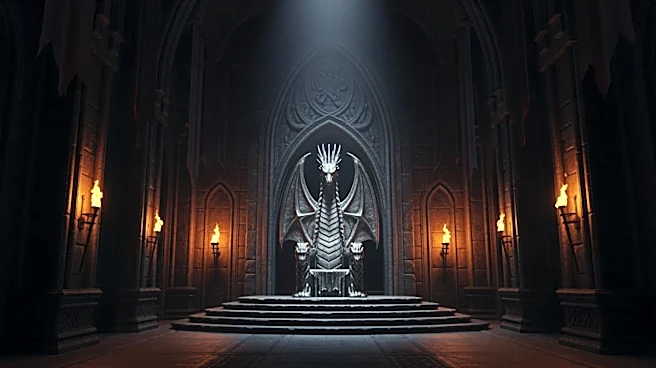
On your first watch, King Viserys’s deteriorating health was a sad backdrop. On a rewatch, treat it as a central character. Pay close attention to his body as a literal map of the realm’s decay. The first cut from the Iron Throne in Episode 1 isn’t just
an accident; it’s the kingdom’s first wound. Each subsequent illness, lost finger, and patch of rotting flesh directly mirrors a political rot spreading through his court. Notice how the Maesters' treatments, meant to heal, often seem to only manage the pain while the underlying disease festers. It’s a perfect, gruesome metaphor for Viserys’s entire reign: a good man desperately trying to apply bandages to a kingdom that needs surgery.
2. Put on Your 'Alicent Goggles'
Many viewers came away from Season 1 firmly on Team Black or Team Green. This time, try to watch the entire season from Alicent Hightower’s perspective. Forget what you know about her future; focus on the pious, dutiful girl who loves her friend Rhaenyra. Pinpoint the exact moments she is manipulated by her father, Otto. Feel her genuine shock and betrayal when she learns of Rhaenyra's 'indiscretions.' Watch the scene where Rhaenyra swears on her mother's memory—a blatant lie—and see it not as a savvy political move, but as a deep personal wound for Alicent. Her transformation into the stern queen in green isn’t a sudden snap; it’s a slow-motion tragedy built on a series of perceived betrayals and her father's relentless ambition.
3. Follow the 'Daemon Was Right' Tour
Daemon Targaryen is chaos personified, but is he just a nihilistic agent of destruction? On your rewatch, operate from the premise: “What if Daemon was right all along?” When he warns Viserys about Otto Hightower’s ambition, he’s 100% correct. When he argues that the Stepstones are a legitimate threat that the Crown is ignoring, he’s also proven right. He sees the vipers in the Small Council and the weakness in his brother’s desire to please everyone. His methods are brutal, unpredictable, and often self-serving, but his instincts about the threats to House Targaryen are consistently sharp. This viewing lens turns him from a simple villain or anti-hero into a frustratingly accurate Cassandra figure, screaming warnings that no one but Corlys Velaryon seems to hear.
4. Listen for the Prophecy's Echoes
Aegon the Conqueror's dream—the Song of Ice and Fire—is the secret engine of the entire season. Viserys is obsessed with it, and it's the justification he uses for naming Rhaenyra his heir. On your rewatch, listen for every mention, or quiet allusion, to this prophecy. Notice how it binds Viserys but seems to be completely unknown to Daemon, his brother. See how Viserys’s dying, morphine-addled misinterpretation of the prophecy is what he passes to Alicent, inadvertently convincing her that *her* son Aegon is the prophesied prince. It's the ultimate game of historical telephone. This single, misunderstood secret is the spark that lights the entire Dance of the Dragons. It’s not just ambition; it’s a warped sense of divine purpose.
5. Map the Children's Resentments
The adults get the big speeches, but the children’s scenes are where the real poison drips. Pay special attention to the resentments brewing between the young Targaryen and Velaryon kids. The fight where Aemond loses his eye isn’t just a childhood scrap; it’s the point of no return. Watch Aemond’s face when his mother, Alicent, demands an eye for an eye, and his father, Viserys, refuses. That’s the moment his allegiance hardens. Likewise, watch the interactions between Rhaenyra’s “strong” boys and Alicent’s sons. The insults, the pig prank, the stolen dragon—these aren’t just schoolyard taunts. They are the foundational grievances that will fuel a generation of war, turning personal slights into political justifications for bloodshed.