




1. Your Outfits Feel One-Dimensional
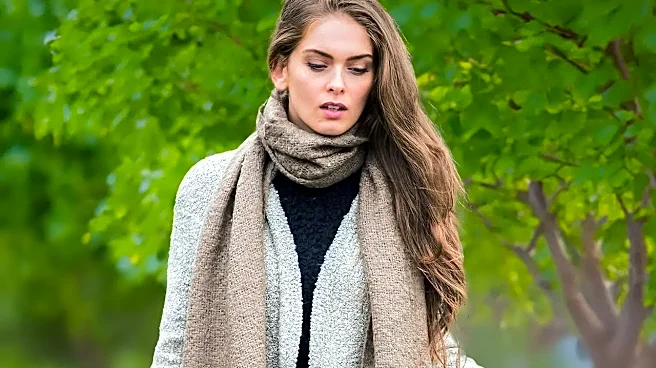
You put on a top and pants, and it just feels... flat. If your outfits consistently lack depth or visual interest, it’s a classic sign you're missing what stylists call the 'third piece'. This is the layer that pulls everything together. A simple fix
is adding a structured vest, a lightweight cardigan, or even a denim jacket. This third item adds texture and dimension, making a basic combination feel like a deliberate, stylish outfit.
2. You're Always Too Hot or Too Cold
If you spend your day shedding a bulky sweater indoors or shivering in a thin shirt outside, your wardrobe isn’t adaptable. The goal of layering is to create a versatile outfit that can adjust to fluctuating temperatures. Instead of relying on one heavy coat, think in multiples: a breathable base layer (like a fitted tee), a functional mid-layer (like a zip-up fleece or cashmere sweater), and a weather-resistant outer layer. This allows you to peel back or add on as needed, ensuring comfort all day.
3. Your Closet Doesn’t Transition Between Seasons
When the weather turns, do you feel like you need an entirely new wardrobe? This is a sign your clothes are too season-specific. A well-layered wardrobe blurs the lines between summer, fall, winter, and spring. A summer dress can work in October with a turtleneck underneath and a blazer on top. Those lightweight trousers can be paired with a wool sweater and boots. Investing in transitional pieces like trench coats, versatile knits, and denim jackets allows you to adapt your favorite items for year-round wear.
4. Getting Dressed Feels Like a Chore
If you feel uninspired or stressed when you open your closet, it's a sign your wardrobe isn't working for you. Getting dressed should feel satisfying, not like solving a puzzle with missing pieces. A collection of standalone tops often creates this feeling because they don't easily connect. A wardrobe built on foundational layering pieces—neutral cardigans, classic button-downs, and simple shells—provides a clear system that makes creating cohesive outfits almost effortless.
5. You Have a Collection of 'Orphan' Tops
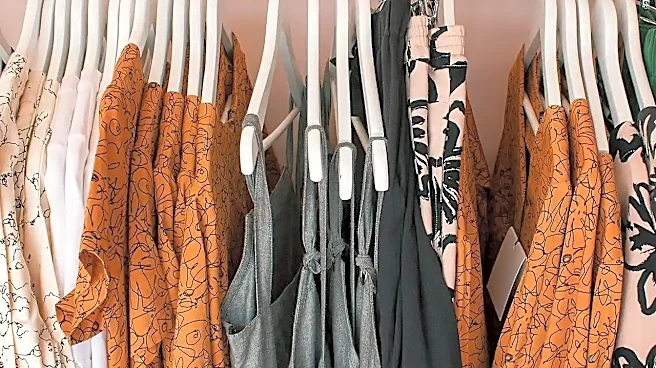
We all have them: the beautiful, unique tops bought for a specific occasion that now hang in the closet, unworn. These 'orphan' pieces often feel too special or too difficult to style for everyday life. Layering is the key to integrating them. That silk camisole you bought for a party can be worn under an open blazer for work. The brightly colored blouse can be toned down by layering it under a neutral V-neck sweater, letting just the collar and cuffs peek out for a pop of personality.
6. Your Silhouette Feels Bulky
A common fear with layering is that it will add unflattering bulk. If you've tried layering and felt weighed down, you likely used the wrong pieces. Effective layering is about choosing thin, high-quality fabrics that provide warmth without volume. Start with a slim, fitted base layer to create a streamlined foundation. Balance proportions by pairing a voluminous piece with something more tailored—for example, wear an oversized cardigan over slim-fit pants, or a fitted turtleneck under a roomy blazer.
7. All Your T-Shirts and Sweaters Look the Same
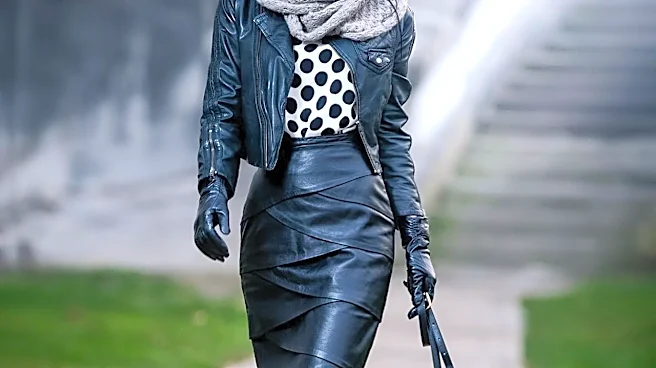
Take a look at your tops. Do you have a dozen gray crewneck sweaters or a drawer full of nearly identical black t-shirts? While basics are essential, a lack of variety in texture and shape can lead to a style rut. Instead of buying another basic top, seek out a layering piece with a different texture, like a ribbed knit, a fuzzy boucle cardigan, or a smooth leather jacket. Mixing textures—like silk with wool, or cotton with leather—is one of the fastest ways to make a simple, neutral-colored outfit feel sophisticated and intentionally styled.