




The Three-Layer Rule Is a Toolkit, Not a Mandate
You’ve probably heard of the classic three-layer system: a base layer to wick sweat, a mid-layer for insulation, and an outer shell to block wind and rain. It’s the foundation of staying warm for outdoor enthusiasts, and it’s a brilliant system. But for everyday
life—commuting, running errands, or meeting friends—thinking of it as a rigid formula is a mistake. The real genius of layering is adaptability. The goal isn’t just to pile on clothes, but to create a modular system you can adjust on the fly. This means every layer should have a distinct purpose, allowing you to peel one off when you walk into a warm office or coffee shop.
Rethink Your Mid-Layer: It's Your Indoor Outfit
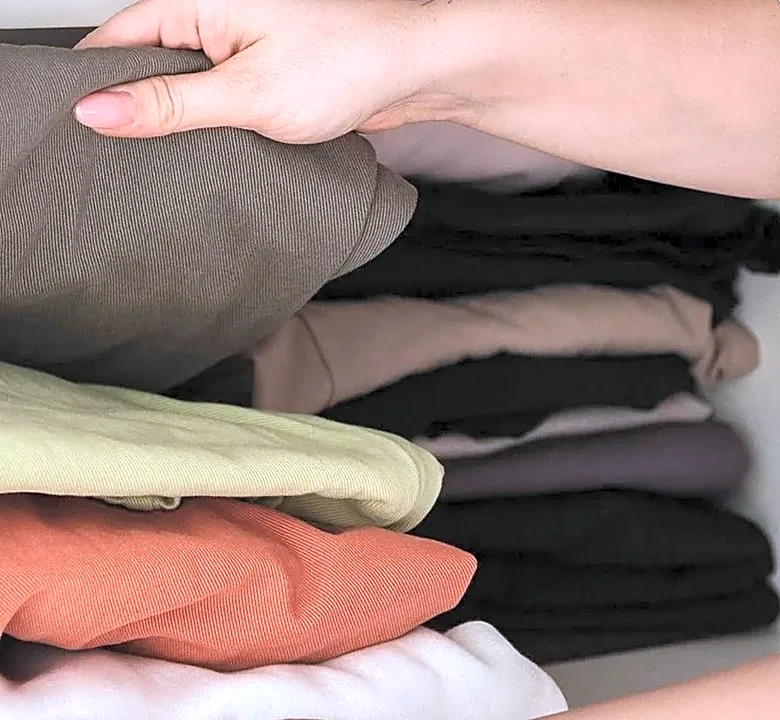
Here's the most critical shift in thinking: your mid-layer isn't just a warmth-trapper; it's your primary indoor outfit. Too many people wear a bulky, purely functional fleece or an unattractive thermal that they’d never want to be seen in alone. Instead, choose a mid-layer that stands on its own. This could be a stylish merino wool sweater, a sharp quarter-zip, a cashmere pullover, or a tailored cardigan. The mid-layer should provide insulation under your coat but look and feel great when the coat comes off. This single change transforms your experience, letting you shed your heavy outer shell at the door and feel instantly comfortable and put-together.
The Base Layer: Your Unseen Hero
The most common layering mistake is getting the base layer wrong. Its main job isn't insulation; it's moisture management. A base layer that holds sweat will make you feel clammy indoors and can lead to a rapid chill when you step back outside. This is why cotton is your enemy for a functional base layer; it absorbs moisture and dries slowly. Instead, opt for materials like merino wool or high-performance synthetics like polyester. These fabrics pull moisture away from your skin, keeping you dry and regulating your temperature across different environments. It should fit snugly but not be constricting, acting as a comfortable 'second skin'.
The Outer Shell: Your Shield Against the Elements
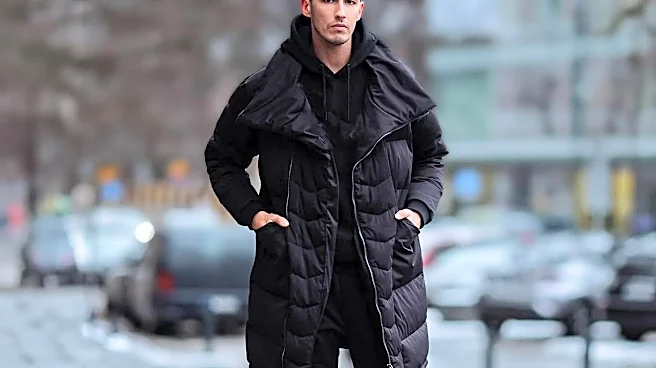
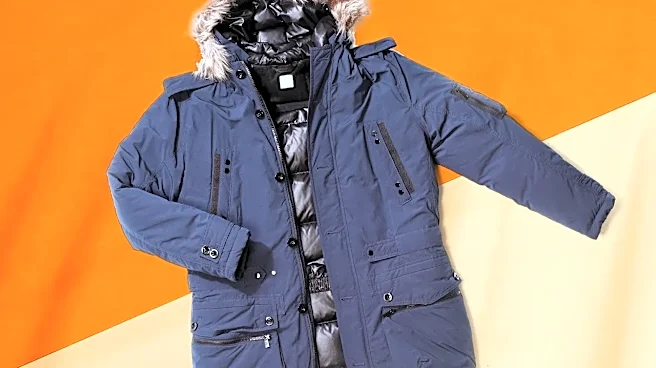
Your outermost layer is your dedicated defense against the worst of winter. It should be the warmest and most protective piece, designed to block wind, rain, and snow. Think of it as a portable shelter that you can easily take off. When choosing an outer coat, make sure there’s enough room to fit your other layers underneath without compressing them, as trapped air is what provides insulation. Features like a durable water-repellent finish and wind-blocking construction are key. A high-quality puffer, parka, or wool overcoat is an investment that makes the whole system work, allowing your inner layers to focus on comfort and style.
Mastering the Art of the 'Shed'
Smart layering is also about easy transitions. Overheating is a common mistake that actually makes you colder in the long run when sweat builds up. If you know you're about to be active or head indoors, start slightly cool. Accessories are your secret weapons for micro-adjustments. A scarf, hat, and gloves add significant warmth but can be removed in seconds. Similarly, jackets with zippers allow for quick ventilation. The goal is to avoid the all-or-nothing panic of being trapped in too many clothes. By treating your outfit as a collection of adaptable pieces, you gain control over your comfort, no matter where the day takes you.