
The Runway Is Theater, Not a How-To Guide
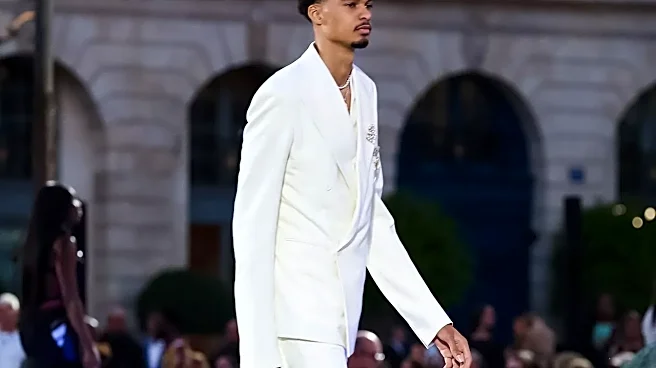
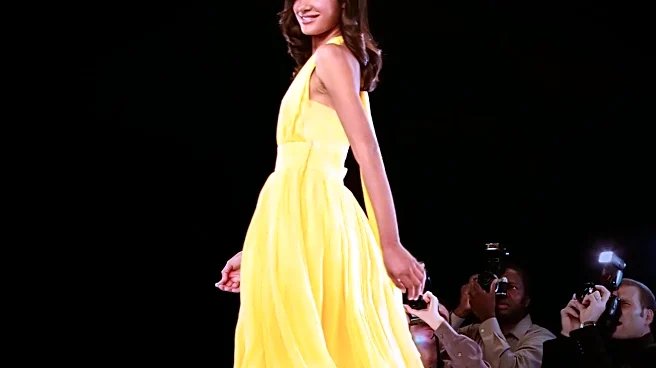
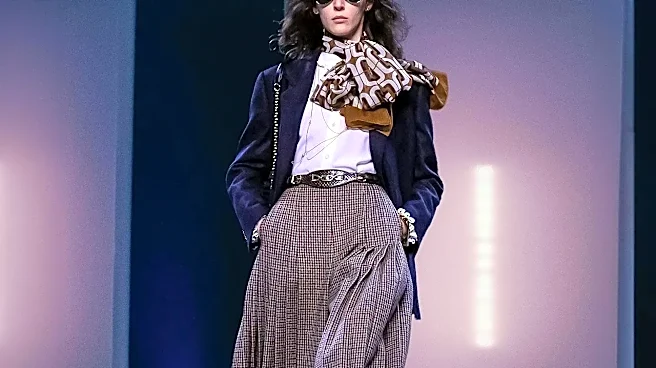
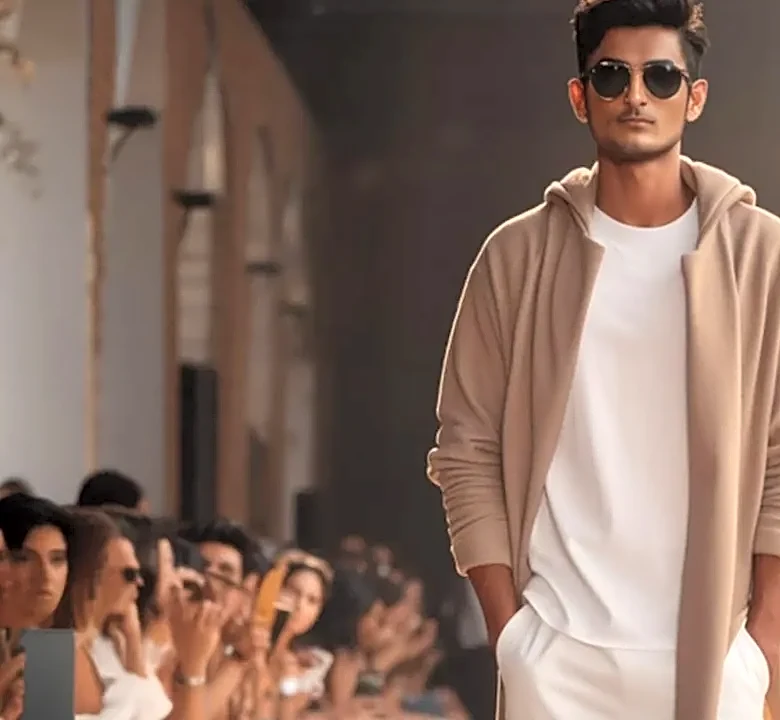
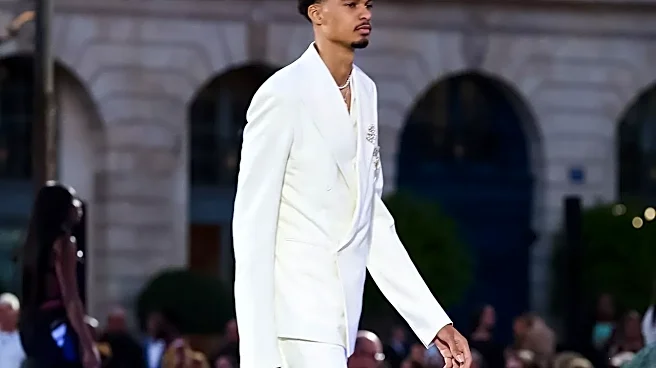
First, it's crucial to understand what a runway show actually is: performance art and marketing. Designers use these shows to push creative boundaries, tell a story, and generate buzz. Theatrical, often impractical, outfits are designed to be memorable
and convey a mood or theme. They are styled for a specific moment under dramatic lighting on a model walking in a straight line. These looks are not intended to be worn straight off the runway to the grocery store; they are meant to spark inspiration and showcase a designer's vision. The goal is to sell an idea—and, ultimately, the more wearable pieces from the collection, like accessories, fragrances, and ready-to-wear basics.
Deconstruct the Look: Isolate One Key Idea
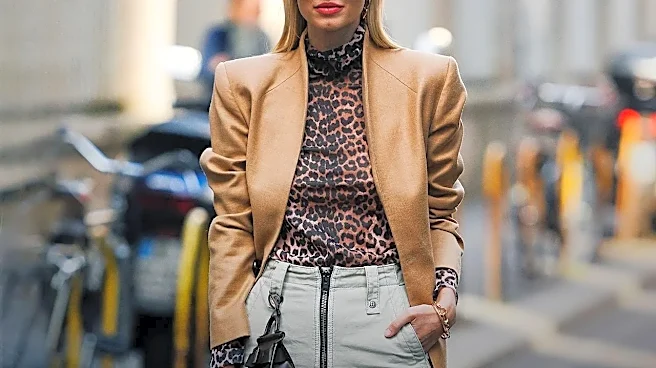
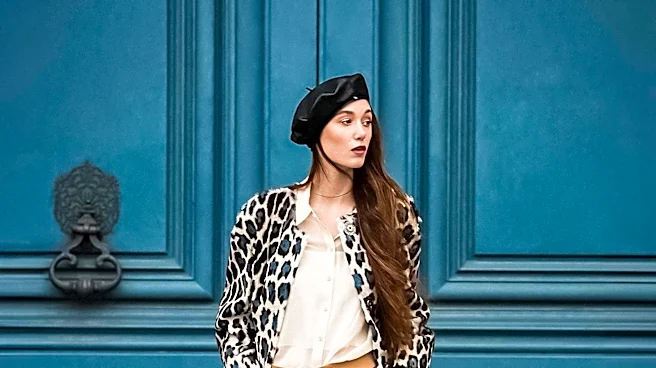
Instead of seeing a runway look as a single, indivisible outfit, learn to break it down into its core components. The true styling skill lies in identifying the single element that excites you. Is it the vibrant color combination? The exaggerated silhouette of a sleeve or pant leg? A specific texture, like high-shine leather paired with soft knitwear? Or maybe it’s a styling trick, like belting a blazer or layering a turtleneck under a button-down. By focusing on one statement piece or concept—a bold print, a unique accessory, a striking color—you can build a wearable outfit around it using more classic, neutral items from your existing wardrobe. This approach ensures the trend feels personal rather than costumey.
Context Is King: Adapt for Real Life
A major reason full runway looks fail in reality is the lack of context. Your life isn't a catwalk. A sheer blouse, a micro-mini skirt, or a massive, sculptural coat may look incredible in a professionally styled photo, but it has to work for your actual lifestyle, body type, and comfort level. The lesson here is adaptation. Love the sheer trend? Layer a translucent top over a simple camisole for a more modest take. Intrigued by an extremely short hemline? Pair it with opaque tights and tall boots to make it feel more grounded and practical. The best style comes from filtering trends through the lens of your own life, ensuring what you wear serves you, not the other way around.
Shop for the Concept, Not the Exact Item
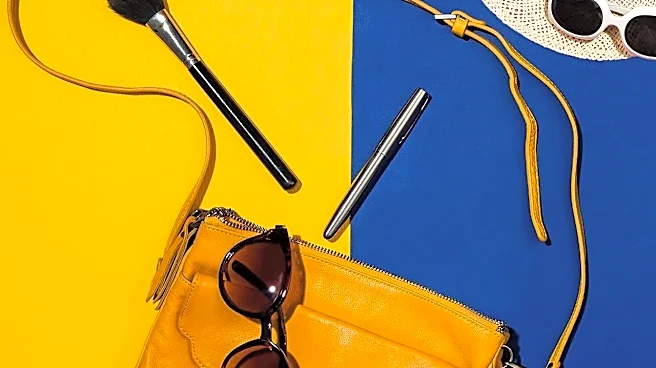
You don’t need the exact $3,000 runway piece to capture its essence. The styling lesson is to understand the underlying idea and find ways to incorporate it into your budget and closet. If a designer showcases head-to-toe crimson, you can capture that spirit with a red handbag or a classic red lip. If fringe is having a moment, a fringed scarf or jacket can give you the trend without requiring a full wardrobe overhaul. Accessories, in particular, are a low-risk, high-impact way to play with new ideas. This mindset shifts the focus from expensive consumption to creative expression, using the runway as a jumping-off point for your own experiments.
Great Style Starts with a Solid Foundation
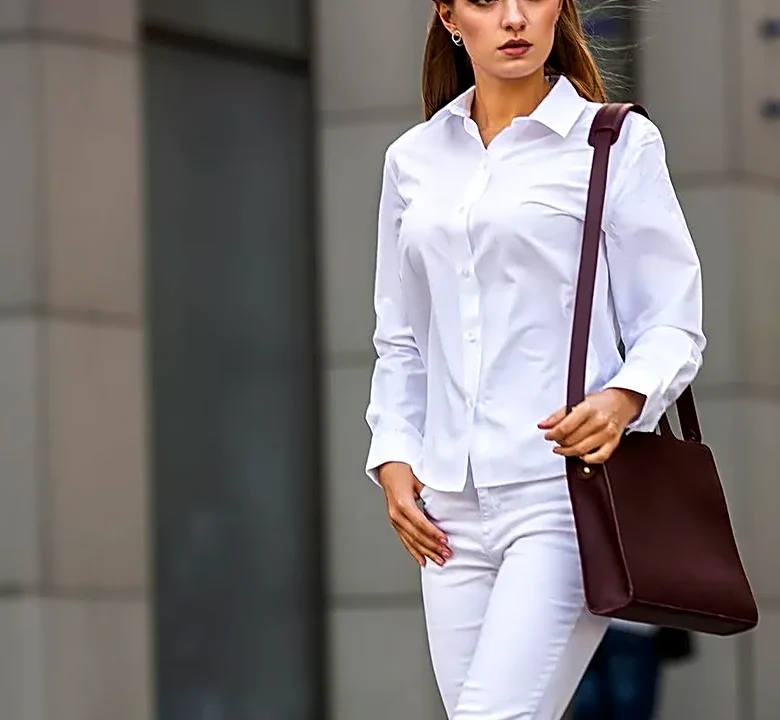
Look closely at even the most avant-garde runway looks, and you’ll often find they are built upon beautifully crafted basics. A perfectly tailored trouser, a crisp white shirt, or a simple knit bodysuit provides the canvas for more experimental pieces. This is perhaps the most overlooked runway lesson: the boldest statements are often supported by the quietest staples. Investing in high-quality, well-fitting foundational garments makes every other piece in your wardrobe—including that trendy new item—look more intentional and polished. Before you try to replicate a dramatic look, ensure your basics are in order. It’s the secret that makes everything else work.