




1. Who is the 'Gallerist Uniform' for?
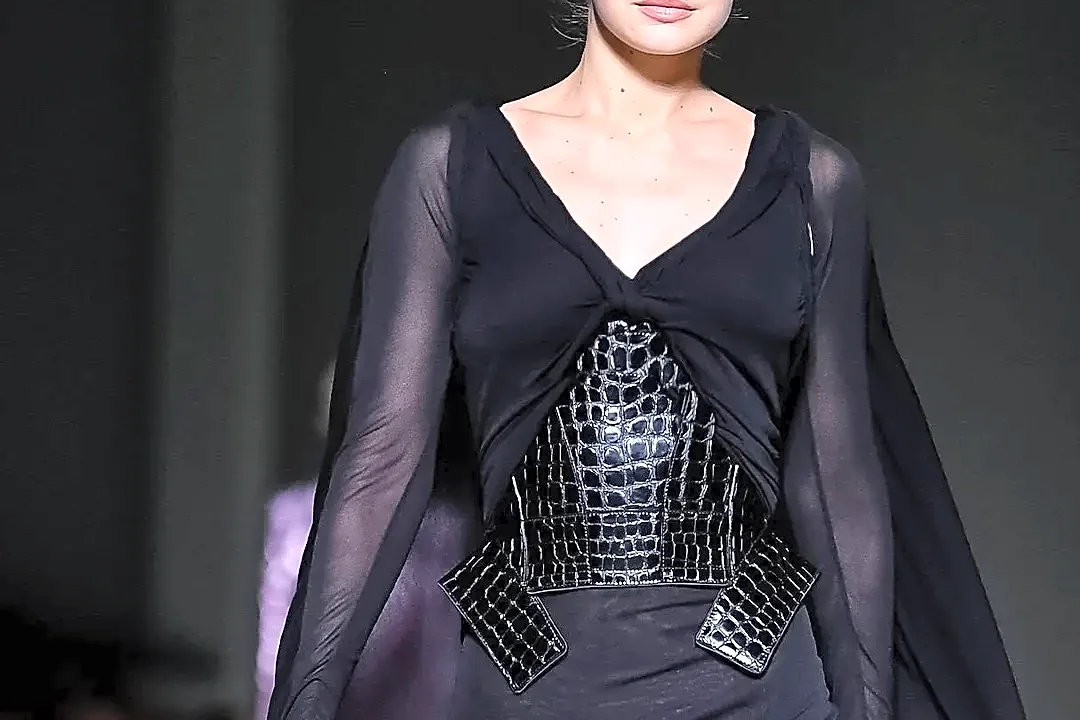
You know the look: architectural, minimalist, and often black. It’s the unofficial uniform of the serious art world professional. This year at the Grand Palais, the look was softened with sculptural jewelry and luxurious fabrics. It poses the question:
is this style a genuine reflection of a refined aesthetic, or a calculated costume designed to project authority and taste? It’s a shield that says, 'I belong here', but it also feels like a conversation-starter, inviting you to appreciate form and function in clothing as you would in art.
2. When Does a Handbag Become Sculpture?
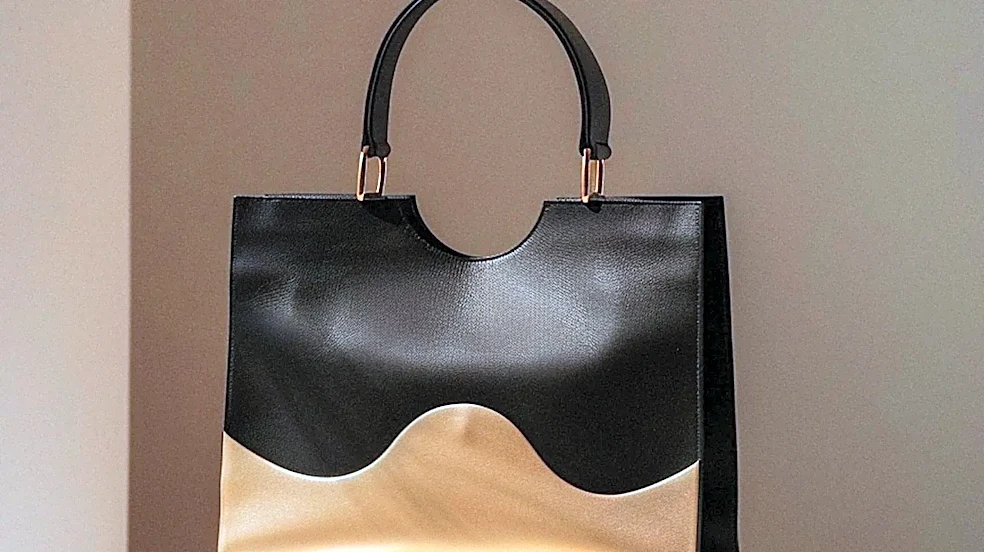
At an art fair, an accessory is never just an accessory. Forget fleeting trends; the bags on display were less about logos and more about form. We saw clutches that looked like they were carved rather than stitched and totes with unconventional, artistic shapes. This environment challenges the distinction between a functional object and a work of art. When a bag's primary purpose seems to be aesthetic provocation, carried in a space dedicated to exactly that, does it cross the line from fashion into portable sculpture?
3. Have We Reached Peak 'Stealth Wealth'?
The era of quiet luxury or 'stealth wealth' has been percolating for a while, but Art Basel Paris is its natural habitat. The truly wealthy don't need to shout about it. Here, the focus is on impeccable tailoring, rare materials, and pieces that are recognizable only to those in the know. It’s a language of insider codes. But it also begs the question of whether this hyper-subtlety is just another form of exclusion—a way to signal status that’s even more potent because it’s invisible to the uninitiated.
4. What Does 'Comfort' Actually Mean?
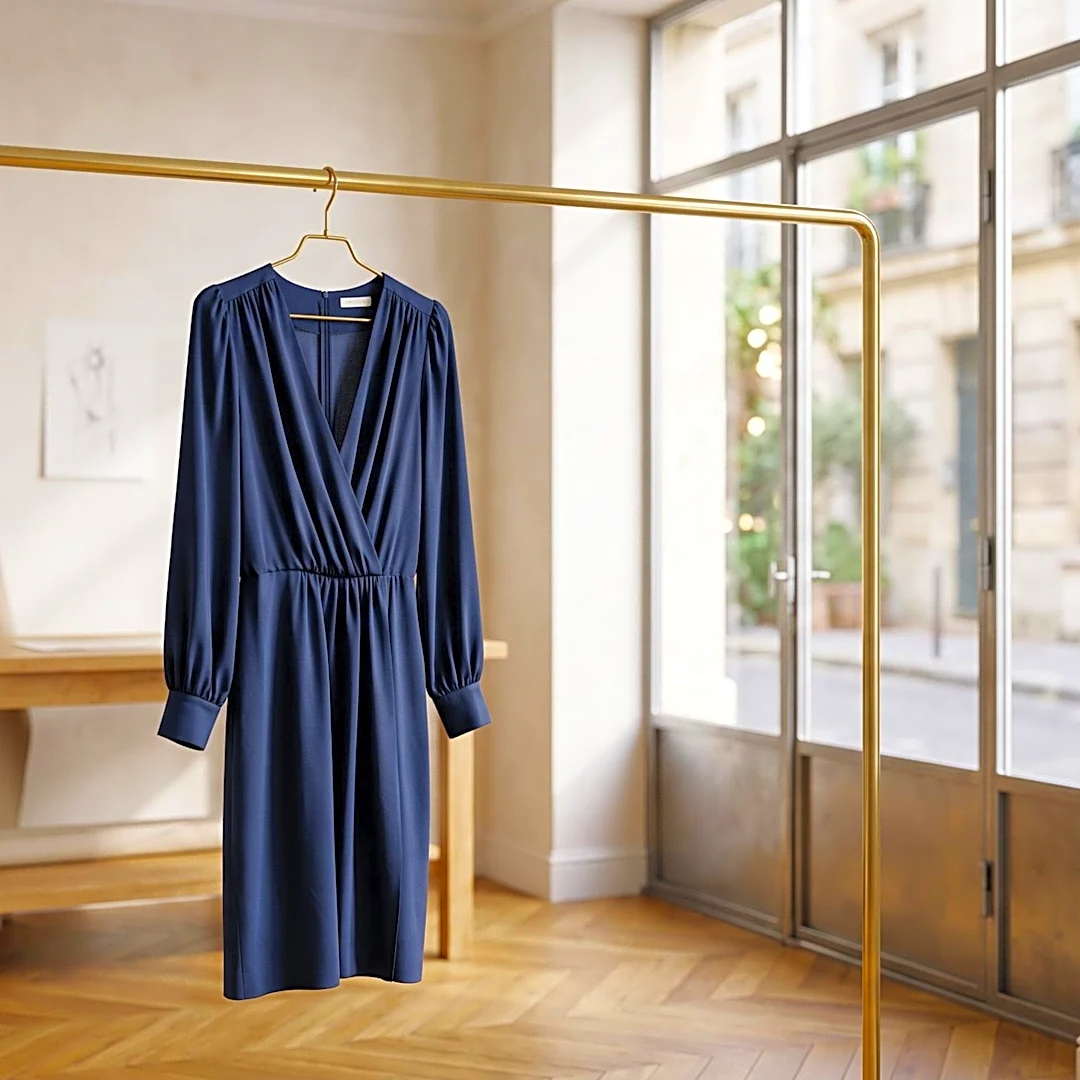
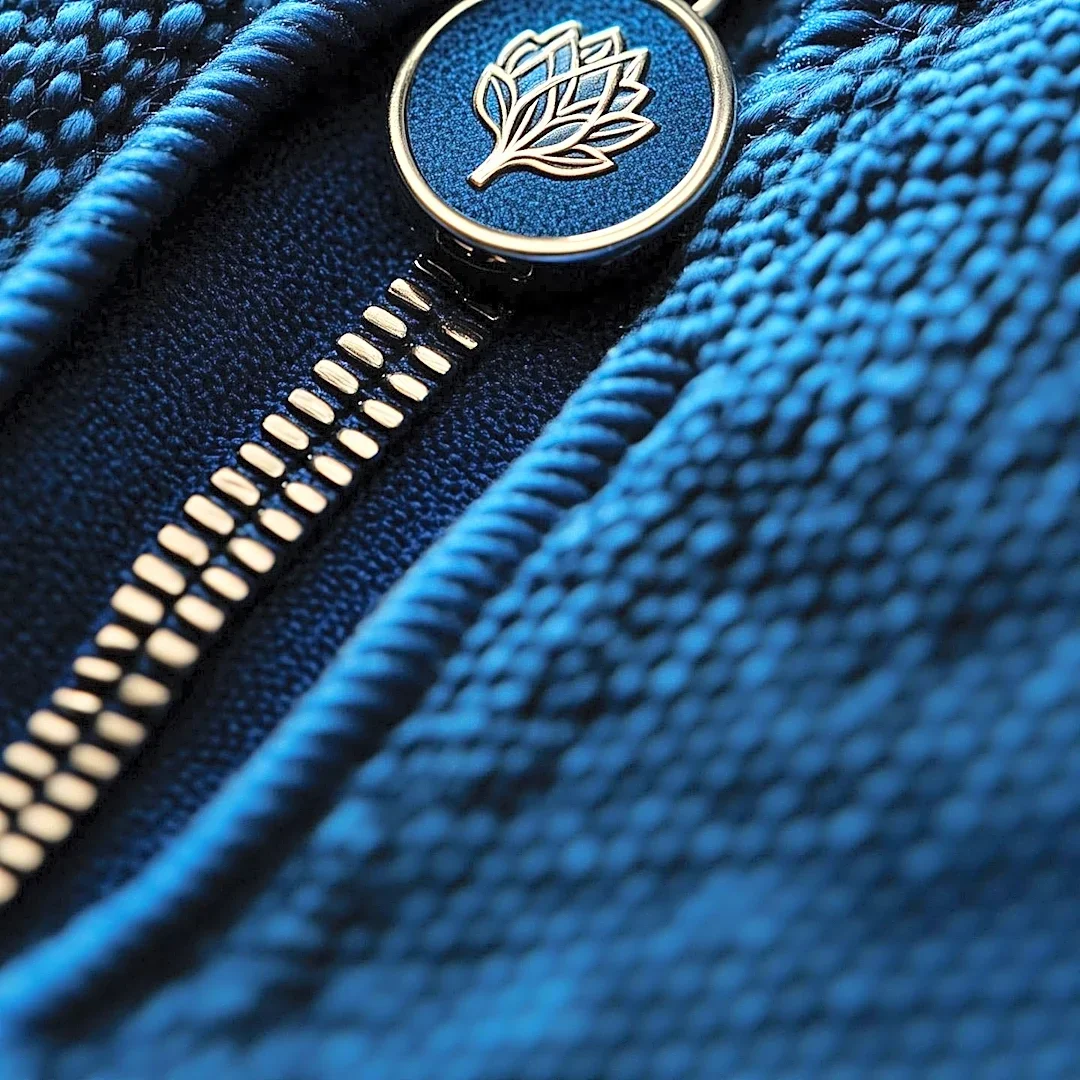
Comfort is a top priority for a day spent walking miles on concrete floors. But at Art Basel Paris, comfort doesn't mean sweatpants. It means exquisitely made knitwear, perfectly worn-in leather flats, and flowing trousers in silk or cashmere. It’s the difference between looking comfortable and feeling comfortable in clothes that are also elegant and appropriate. The fair demonstrates that true luxury in fashion isn't about restriction; it's about the freedom to move with ease and confidence.
5. Is Street Style a Performance?
Unlike fashion week, where many attendees are peacocking for photographers, the Art Basel crowd is different—or is it? While many are there for the art, the awareness of being seen is palpable. Every outfit is a choice, a projection of identity. The question becomes whether 'street style' in this context is an authentic expression or a carefully curated performance. As one attendee might put it, 'clothing is projecting something... I like people to see me in a way I want to be seen'. The fair is a stage, and everyone is, to some extent, in costume.
6. How Do You Wear Your Intellect?
Here, what you wear can signal not just wealth, but cultural capital. A vintage Issey Miyake piece, a reference to a little-known designer, or a collaboration piece from a museum can act as a signal of deep knowledge. It's fashion as a form of intellectual currency. The outfits suggest a well-read, well-travelled life. This isn’t about being on-trend; it’s about being interesting. The clothes tell a story that goes beyond aesthetics, hinting at a life filled with art, books, and ideas.
7. Can You Separate the Art from the Commerce?
With major luxury brands like Louis Vuitton, Miu Miu, and Audemars Piguet acting as official partners of the fair, the line between art and commerce is deliberately blurred. These brands host talks, commission artists, and have a significant presence inside the Grand Palais. It makes you wonder: does this symbiotic relationship enrich the experience by funding ambitious projects, or does it commercialize a space that should be focused on pure artistic expression? The fashion on display, much of it from these very brands, becomes part of this complex ecosystem.
8. Has Vintage Evolved into Curation?
Wearing vintage at a regular event is a style choice. Wearing it at Art Basel feels like a curatorial act. An attendee in a piece of archival fashion isn't just wearing old clothes; they are positioning themselves as a custodian of design history. The choice of a particular designer or era is as deliberate as a gallery's choice of artist. It implies an understanding of lineage and influence, turning the wearer's body into a mobile exhibition space and their outfit into a statement about what deserves to be remembered and revered.
9. Is Not Caring the Ultimate Power Move?
Amidst all the calculated minimalism and curated vintage, there's another archetype: the person who seems to have thrown on a simple sweater and jeans without a second thought. They might be a world-renowned artist or a billionaire collector. This apparent lack of effort can be the most powerful statement of all. It suggests a confidence so profound that it requires no external validation. In a place where everyone is trying to say something with their clothes, perhaps the most interesting statement is to say nothing at all.