






The Shoulder Expression
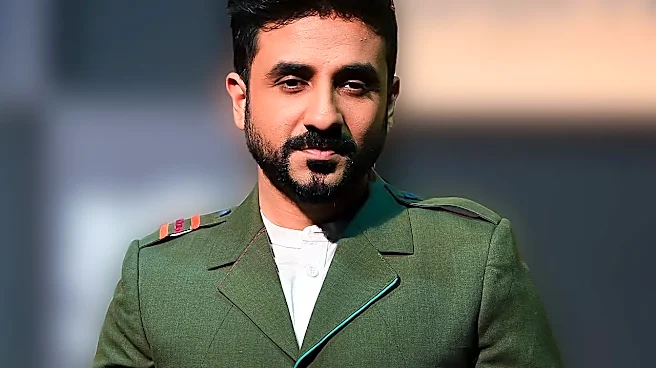
The first decision that shapes a jacket's entire character is the shoulder. It's more than just padding. A 'natural' or 'unstructured' shoulder follows the wearer's own shape, offering a softer, more casual look. In contrast, a 'roped' shoulder, where
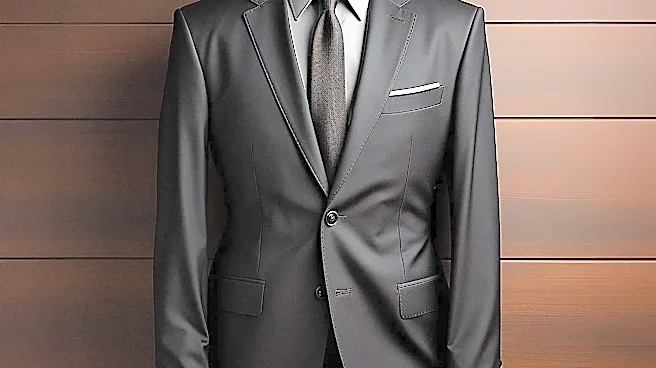
the sleeve head rises slightly above the shoulder seam, creates a formal, almost regal, expression that visually enhances the wearer's posture. A tailor’s choice here is fundamental; it sets the tone before any other detail is considered. A well-chosen shoulder style should complement the wearer's build—a man with sloping shoulders may benefit from more structure, while someone with an athletic build might opt for softer lines.
The Button Stance
The vertical position of a jacket's top button, known as the 'button stance', can dramatically alter your proportions. A higher stance, with the button sitting closer to the chest, elongates the legs and creates a more contemporary silhouette. A lower stance, with the button closer to the natural waist, creates a deeper V-shape in the lapels, which can have a classic, relaxed appeal. This isn’t a random placement; it’s a tool tailors use to create balance. For a shorter man, a slightly higher button stance can create the illusion of a longer torso, while a lower stance can help balance a taller frame.
Lapel Gorge and Width
The lapel is a suit's most defining stylistic element, but its power lies in two details: width and gorge height. The gorge is the seam where the lapel meets the collar. A high gorge, sitting closer to the collarbone, feels modern and elongates the lapel line. A lower gorge can feel dated. Lapel width should be in proportion to your body. A wider lapel can broaden a slim frame, while a very narrow lapel on a broad-chested man can look unbalanced. The current trend is leaning back toward wider lapels, but the timeless choice is a standard width that harmonizes with your tie and collar.
Functional 'Surgeon's Cuffs'
On most ready-to-wear suits, the buttons on the sleeve cuffs are purely decorative. A hallmark of high-quality and bespoke tailoring is the inclusion of 'surgeon's cuffs'—cuffs with functional buttonholes that actually open. This detail originated from a practical need for doctors to roll up their sleeves. Today, it signals a superior level of craftsmanship, as it requires greater precision to construct. It also allows for a subtle flex of sartorial knowledge; many well-dressed men will leave the last button undone as a quiet nod to the quality of their garment.
The Trouser Break
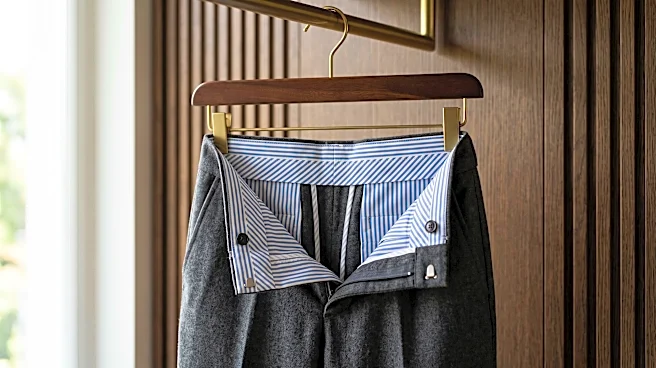
The 'trouser break' is the small fold of fabric that forms where your pants meet your shoes. It might seem minor, but it's a critical decision that anchors the entire look. A 'no break' style, where the hem just skims the top of the shoe, creates a sharp, modern silhouette, especially with slimmer trousers. A 'slight' or 'half' break, with one subtle crease, is the most versatile and classic choice, appropriate for nearly any setting. A 'full break' features a more prominent fold and works best with wider-leg trousers for a more traditional aesthetic. Choosing the wrong break can make an expensive suit look sloppy.
The Hidden Personality of the Lining
While the world sees the outer fabric, the lining is a decision made just for the wearer. The lining adds weight and structure, helping the jacket drape smoothly over the body and protecting the main fabric. But beyond function, it offers a hidden opportunity for personalization. A bespoke suit might feature a conservative exterior but hide a bold, patterned silk lining that reflects the wearer's personality. Common high-quality lining materials include Bemberg, silk, and cupro, chosen for their breathability and smooth feel, ensuring the suit is as comfortable as it is stylish.