



The Nine-Figure Gamble
To understand Hollywood’s obsession with existing intellectual property (IP), you first have to appreciate the sheer amount of money on the table. A modern summer blockbuster can cost anywhere from $150 million to over $300 million to produce. Then, studios
often spend another $100 million or more on a global marketing campaign to convince audiences to show up. With a total investment approaching half a billion dollars for a single film, the pressure is immense. A flop doesn't just mean a bad weekend; it can lead to massive quarterly losses and executive shake-ups. This incredible financial exposure makes studios profoundly risk-averse. They aren't just making art; they're making an incredibly expensive, speculative product that needs to appeal to a global audience to turn a profit.
The Built-In Marketing Department
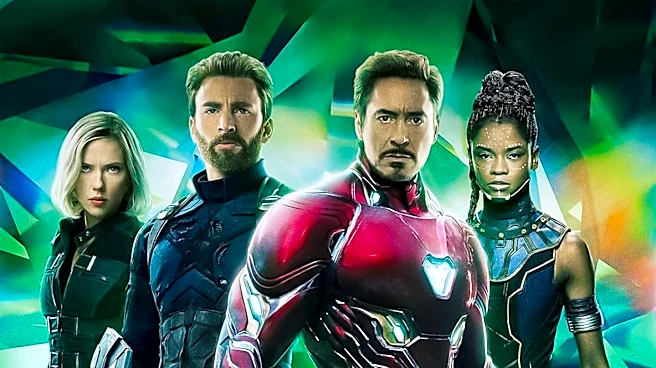
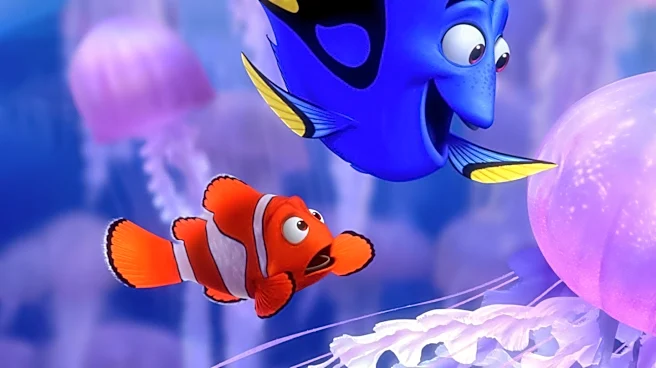
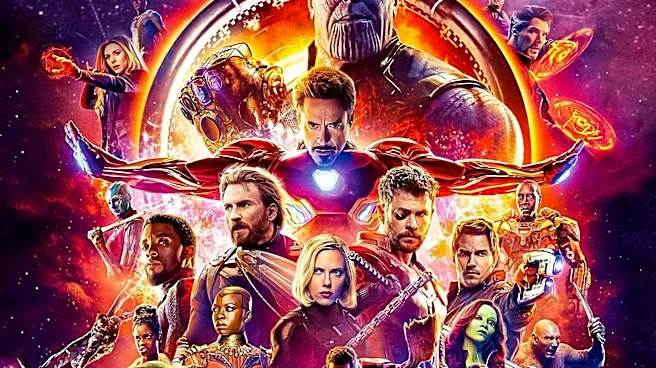
This is where a character like Spider-Man or Barbie becomes a studio’s best friend. When you decide to make "Toy Story 5" or a new "Star Wars" film, a huge chunk of the marketing work is already done. You don't have to spend millions of dollars explaining the basic concept or introducing the main characters to the world. The audience already has a pre-existing emotional connection and awareness. This built-in fanbase creates a high floor for opening weekend box office numbers. People will show up out of curiosity or nostalgia, giving the film a crucial head start. In a media landscape that is more fractured than ever, cutting through the noise is a monumental task. A familiar character is the loudest megaphone a studio can buy.
Comfort Food Cinema for Anxious Audiences
The strategy works because it aligns with audience psychology. Choosing a movie is its own small risk. When tickets and concessions can easily cost a family over $100, people want a guarantee. A familiar character or franchise feels like a safer bet for a fun night out than a complete unknown. This phenomenon, sometimes called narrative transportation, is about the comfort of being immersed in a world you already know and enjoy. We form one-sided relationships with these characters, and returning to their stories can feel like visiting old friends. In an uncertain world, the predictable rhythms of a superhero origin story or a beloved animated sequel can be a comforting and reliable form of escapism.
The Search for a Safe Surprise
This doesn’t mean studios have given up on creativity entirely. Instead, they often use the "safe" container of a franchise to take smaller, more calculated risks. They might hire an indie director with a unique vision, like Taika Waititi for "Thor: Ragnarok," or pivot a franchise into a new genre. The established IP provides the safety net that allows for experimentation within the formula. It's a strategy of giving the audience something that feels both new and familiar at the same time. The thinking is that even if a bold choice doesn't entirely land, the underlying strength of the brand will prevent a catastrophic failure. However, when this balancing act fails—by alienating longtime fans while failing to attract new ones—the results can be disastrous, as seen with films that try to appeal to everyone and end up belonging to no one.