


Performance Over Prestige
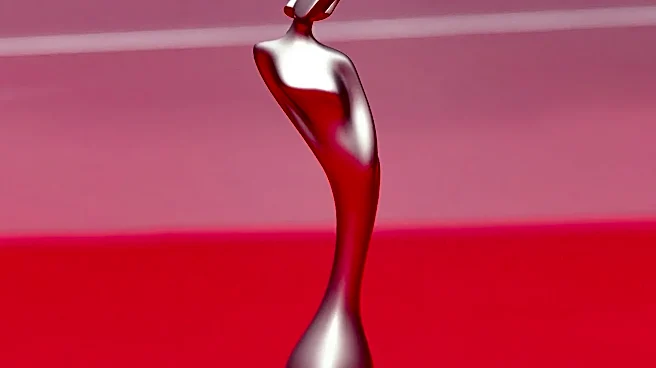
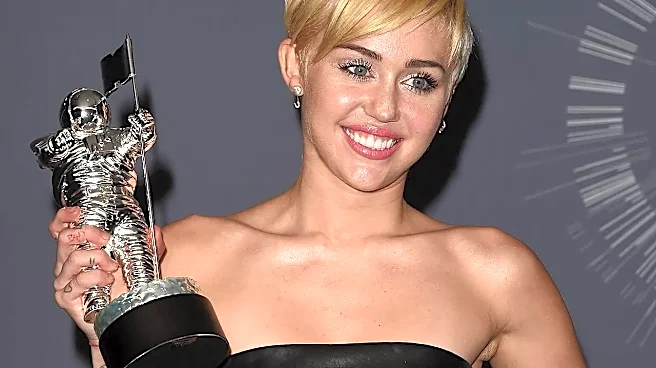
Most awards shows are, at their core, about the awards. The Oscars, the Emmys, and even the Grammys are built around the suspense of who will take home a trophy. The VMAs have a different center of gravity. While the Moon Person statuette is iconic, the show has
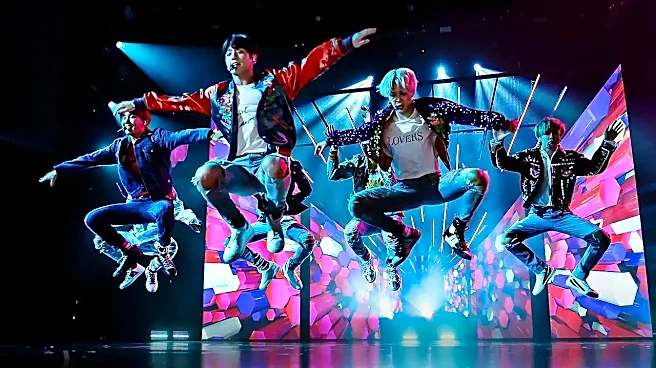
always prioritized the performance. From the very first ceremony in 1984, when Madonna rolled around on stage in a wedding dress to "Like a Virgin," the mission was clear: create moments people will talk about for years. This is the stage where artists are encouraged to be audacious. It's where Beyoncé can perform a 17-minute medley from "Lemonade," where Britney Spears can dance with a live python, and where Lady Gaga can wear a dress made of raw meat. The awards often feel like an afterthought to the visual feasts and elaborate stage productions, making the entire broadcast feel more like a concert or a piece of performance art than a stuffy ceremony.
A Legacy of Unscripted Mayhem
You watch the Grammys to see who wins. You watch the VMAs to see what might go wrong. The show's history is written in unscripted, controversial, and genuinely shocking moments. The most famous, of course, is Kanye West interrupting Taylor Swift's acceptance speech in 2009 to declare that Beyoncé had "one of the best videos of all time." But that's just one chapter in a long book of delightful chaos. There was Diana Ross jiggling Lil' Kim's exposed breast in 1999, Madonna kissing Britney Spears and Christina Aguilera in 2003, and Nicki Minaj calling out host Miley Cyrus live on stage with the now-immortal line, "Miley, what's good?". This element of danger—the feeling that a real, unscripted human moment could break through the celebrity gloss at any second—is what separates the VMAs from its more buttoned-up peers. It generates headlines and creates cultural moments that are remembered far longer than who won Best Rock Video.
For the Youth, By the Youth
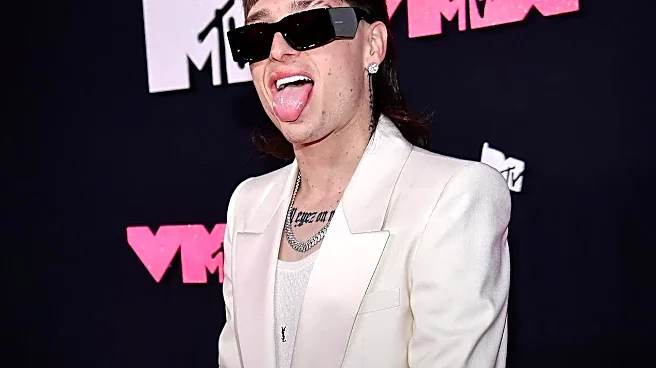
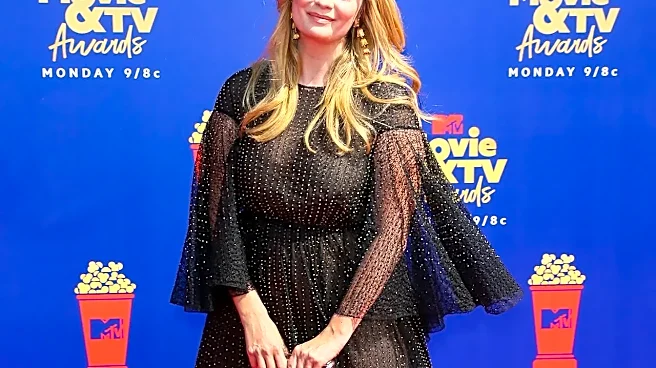
Founded by MTV, the VMAs have always been aimed at a younger demographic. They've been called the "Super Bowl for youth," and that DNA is still present today. While other awards shows can feel formal and catered to an older industry establishment, the VMAs embrace a more relaxed, fan-oriented energy. The red carpet is less about black-tie elegance and more about provocative fashion statements. The whole ceremony is louder, faster, and more colorful. This focus on youth culture means the show has always been a platform for emerging genres and rising stars, from the grunge boom of the '90s to the global dominance of K-pop today. Even as MTV's direct influence on music discovery has waned in the age of YouTube and TikTok, the VMAs remain a space that prioritizes what's new and what's next, creating a collision of music discovery and music history on one stage.
It's Still About the 'Video'
The name itself provides the final clue: Video Music Awards. While other shows honor songwriting, vocal performance, or album composition, the VMAs are fundamentally about the art of the music video. This visual focus gives artists a different canvas to play on. A great VMA contender isn't just a great song; it's a short film, a dance epic, a stylistic statement. This is why groundbreaking, visually-driven artists like Peter Gabriel, Michael Jackson, Beyoncé, and Taylor Swift have historically dominated the show. In an era where visual content is more important than ever, this dedication to the music video as an art form keeps the VMAs uniquely relevant. It celebrates not just what music sounds like, but what it looks like, ensuring it remains the most vibrant and unpredictable night in music.