





The Modern IP Machine
First, let's get on the same page. When Hollywood talks about IP, or Intellectual Property, they're talking about a story they can own and control. Think of the Marvel Cinematic Universe, Star Wars, or Harry Potter. These aren't just movies; they are sprawling,
interconnected universes that generate sequels, spin-offs, merchandise, and theme park rides. A studio like Disney can map out a decade of films, secure in the knowledge that they own the characters, the worlds, and every revenue stream that flows from them. This model has become the bedrock of the modern studio system because it minimizes risk. An established IP comes with a built-in audience, a proven concept, and a clear path to profitability that a new, original idea simply can't guarantee. In a business where single films can cost hundreds of millions of dollars, predictability is the most valuable commodity of all.
Mythology’s Mixed Box Office
So where does that leave mythology? The track record is surprisingly inconsistent. For every success like Wolfgang Petersen’s Troy or the 2010 remake of Clash of the Titans—which grossed nearly $500 million worldwide—there are high-profile stumbles. Remember Gods of Egypt? The 2016 film was a notorious flop, barely making back its $140 million budget and earning widespread criticism for its casting and messy effects. Other sword-and-sandal epics from the same era, like The Legend of Hercules and a remake of Ben-Hur, also failed to find an audience. It seems that simply draping a story in mythic robes isn't enough. The success of the Clash of the Titans remake was partly attributed to being an early beneficiary of the 3D trend kicked off by Avatar, but even its sequel saw diminishing returns. The lesson Hollywood seems to have learned is that myth-based films are a gamble, not a sure thing.
The Public Domain Problem
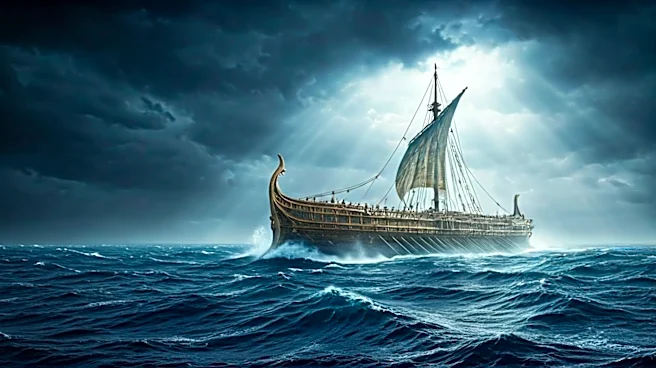
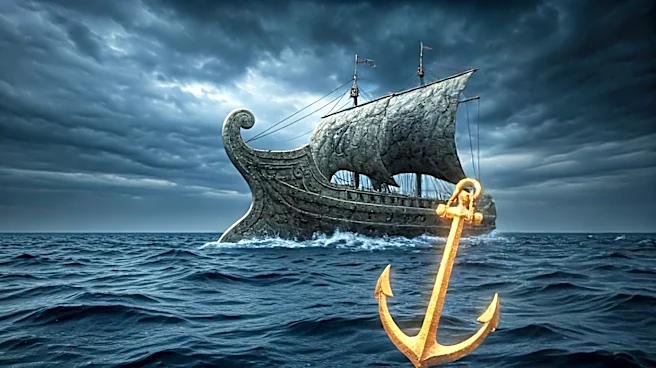
Herein lies the central challenge for a story like The Odyssey. It exists in the public domain, meaning anyone can adapt it without paying for the rights. While that sounds good for a producer's budget, it's a nightmare for a studio's business model. If Studio A spends $250 million on a spectacular version of The Odyssey, what’s to stop Studio B from releasing its own, cheaper version the same year? There is no exclusivity, no control, and no long-term franchise to build. You can't trademark Odysseus. This lack of ownership makes it a far riskier proposition than investing in, say, another Spider-Man movie, where the studio controls every aspect of the character's cinematic life. In the IP era, the very thing that makes mythology so culturally valuable—its universal accessibility—becomes its greatest commercial weakness.
The Secret Ingredient is Still Character
Despite all the business logic pointing against it, a great movie is still a great movie. The reason the Marvel universe took off wasn't just because of the brand; it was because audiences fell in love with Robert Downey Jr.'s portrayal of Tony Stark. The success of any adaptation, whether from a comic book or an ancient poem, hinges on its ability to make audiences care. The challenge for a modern Odyssey isn't about the cyclops or the sirens; it's about making Odysseus a compelling, relatable, and utterly magnetic hero for today's viewers. Can a filmmaker craft a journey for him that feels as urgent and personal as a superhero's quest? Can they make Penelope's plight resonate with a 21st-century audience? The financial success of such a project ultimately rests on this creative execution. It’s less about selling the myth and more about selling the man at its center.