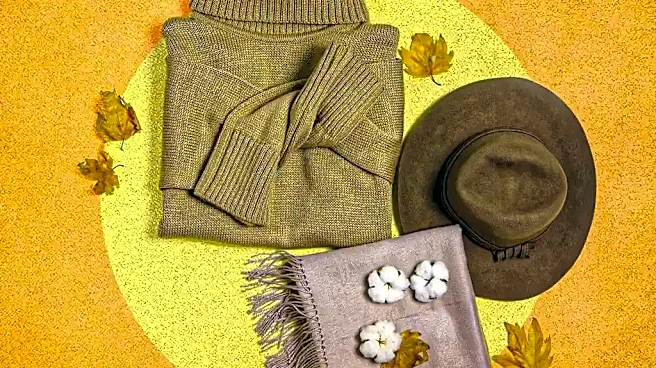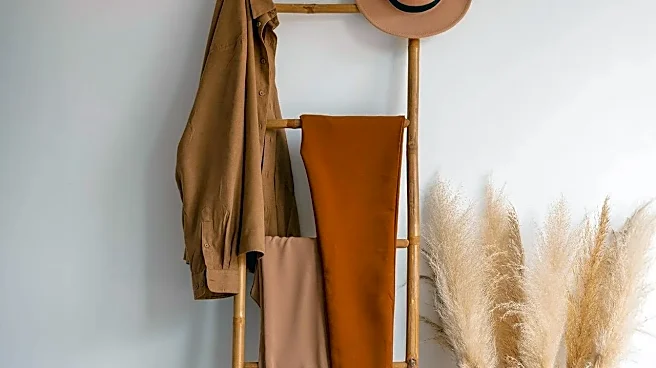


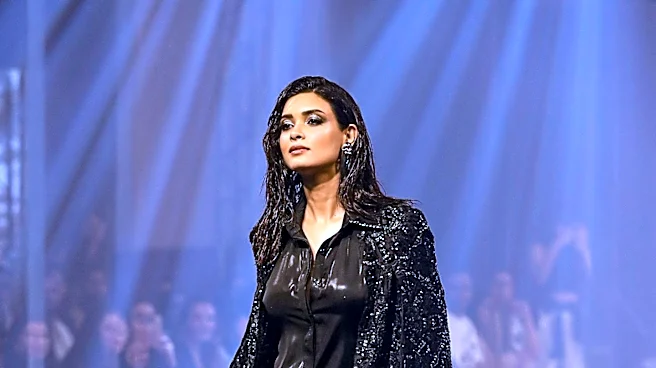

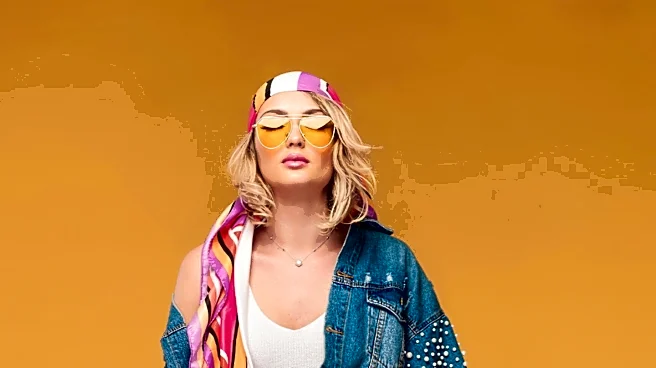

Scan the runways or your favorite stores, and a clear story emerges. Fashion's recent obsession isn't with fleeting, bright neons, but with the quiet confidence of the earth itself: terracotta, olive, chocolate brown, and sand.
The Palette of the Moment
The dominant colors of the
Fall/Winter 2026 season feel pulled from the natural world. We're seeing rich, deep browns ranging from espresso to toffee, alongside muted, earthy greens like olive, moss, and army green. These shades are not just for accents; they are being embraced for head-to-toe looks, from tailored coats to knitwear. This shift represents a move toward a warmer, softer alternative to the starkness of black, creating a sense of richness without severity. Trend forecasting services point to shades like 'Cocoa Powder' and 'Russet' as key colors, chosen specifically to evoke feelings of nostalgia and grounding. This embrace of earthy colors is also evident in interior design, with tones like 'Powdered Clay' and muted greens creating spaces that feel comforting and authentic.
The Psychology of Grounding
There's a well-documented psychological reason for this turn toward the terrestrial. Earth tones are inherently associated with stability, reliability, and warmth. Colors like brown, beige, and terracotta connect us to natural elements like soil and wood, which we subconsciously link to safety and security. Wearing or surrounding ourselves with these colors can have a calming effect, fostering a sense of well-being and groundedness. After years of digital saturation and rapid change, this palette offers a visual anchor. It's a subconscious retreat to colors that feel dependable, timeless, and real. Fashion psychologists note that after periods of crisis or uncertainty, color trends often become more muted, reflecting a collective desire for comfort and simplicity.
A Quiet Reaction to a Loud World
This embrace of earthy tones isn't happening in a vacuum. It can be read as a direct response to a landscape of economic and social volatility. Historically, economic downturns often lead to shifts toward practicality and understated aesthetics. When consumers feel uncertain about the future, they tend to invest in versatile, timeless pieces rather than flashy, logo-heavy items. The rich-but-subtle nature of an olive green jacket or a chocolate brown coat aligns perfectly with this mindset. It’s a form of 'quiet luxury'—conveying quality and stability without ostentation. The trend forecaster WGSN explicitly linked its Autumn/Winter 2026/27 color predictions to a 'need for balance, excitement and stability'. By choosing colors that symbolize resilience and connection to the earth, we are, in a way, dressing for the security we crave.
Beyond the Closet
The influence of this earthy palette extends far beyond our wardrobes, signaling a broader cultural shift. In interior design, cool grays are being replaced by warm neutrals, clay tones, and sophisticated greens to make homes feel more inviting and connected to nature. This 'rewilded' aesthetic focuses on tactile, artisanal materials and organic patterns. We see it in branding and packaging, where brown and olive are used to convey authenticity and dependability. The pairing of terracotta and sage green, for instance, has become a designer favorite in 2026, mirroring the natural harmony of a clay pot and its plant. This cross-industry adoption proves that the move toward earthy colors is more than a fleeting trend; it's an aesthetic realignment reflecting a widespread desire for comfort, authenticity, and a connection to something solid.