







What Exactly Is High Pressing?
At its core, high pressing is a simple, aggressive idea: instead of retreating into a defensive shape after losing the ball, a team immediately swarms the opposition to win it back as quickly and as close to the opponent's goal as possible. Think of it as a defensive philosophy
built on pure offense. The goal isn't just to stop an attack, but to prevent it from ever starting by suffocating the other team in their own territory. This coordinated, high-intensity effort is designed to force errors, disrupt passing rhythm, and create turnovers in the most dangerous areas of the field. It's a proactive, front-foot style of defending that says, "We're not going to wait for you to make a mistake; we're going to force one."
The Art of the Organized Swarm
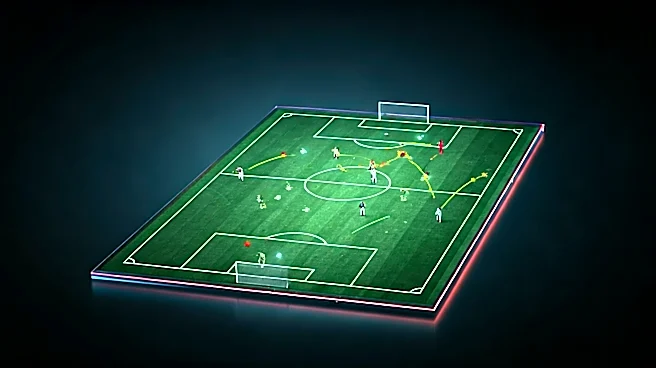
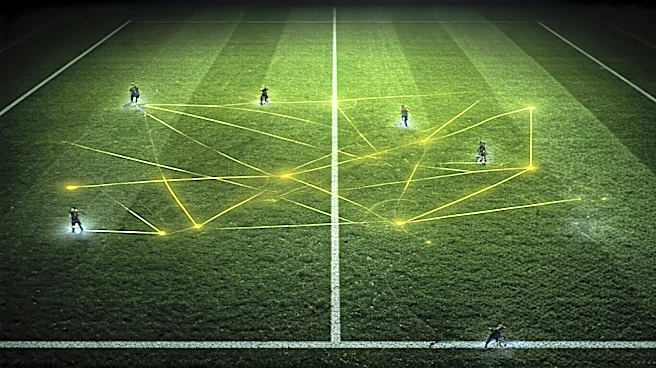
Effective high pressing isn't just about mindless running. It's an act of synchronized, tactical intelligence. Teams that excel at it are incredibly disciplined, using specific "triggers" to initiate the press. A trigger could be a pass back to a defender, a player receiving the ball with their back to the play, or a sloppy first touch. Once that trigger occurs, the team moves as a single, compact unit. Forwards close down the ball carrier, midfielders cut off nearby passing lanes, and defenders push their line high up the field to compress the space. The idea is to create traps, often near the sidelines, where the opponent has fewer options and is forced into a rushed decision or a long, hopeful clearance. If one player presses alone, the system fails; if they move together, they can create what feels like orchestrated chaos for the opposition.
From Turnover to Goal in Seconds
This is where the magic happens. The ultimate reward of a successful high press is turning defense into an immediate attacking opportunity. When a team wins the ball 30 yards from the opponent's goal, the entire dynamic of the game changes. The opposing team, which was just trying to build an attack, is suddenly disorganized and vulnerable. Their defenders may be out of position, and their midfielders are caught moving in the wrong direction. This moment of transition is what pressing teams live for. A quick pass or two into the space behind the defense can lead to a clear goal-scoring chance before the other team even knows what hit them. The German term for this, made famous by coaches like Jürgen Klopp, is "Gegenpressing" or counter-pressing, which perfectly captures the philosophy: the best moment to create a goal is seconds after you've lost the ball.
A High-Risk, High-Reward Gamble
For all its benefits, the high press is a high-wire act. It's incredibly physically demanding, requiring exceptional fitness and stamina to maintain intensity for a full 90 minutes. If the press isn't perfectly coordinated, or if a single player fails to do their job, the entire structure can collapse. A skilled opponent with calm players can potentially bypass the initial wave of pressure with a few quick, precise passes. This leaves the pressing team exposed, with large gaps of space behind their high defensive line for attackers to run into. It's a constant tactical battle—the pressing team trying to create chaos and the opposition trying to find composure. When it works, it's dominant and suffocating. When it fails, it can lead to spectacular goals for the other team.