
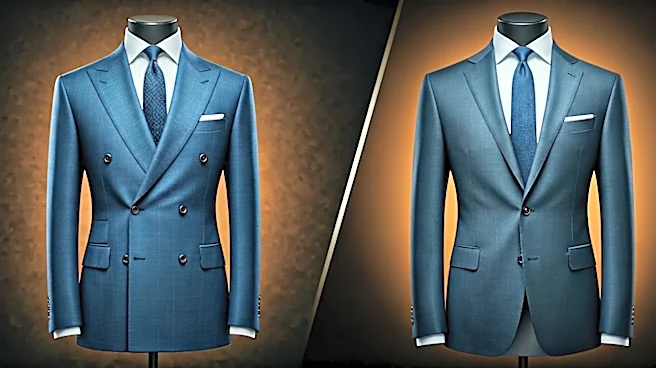


The Runway Ideal: A Different Species
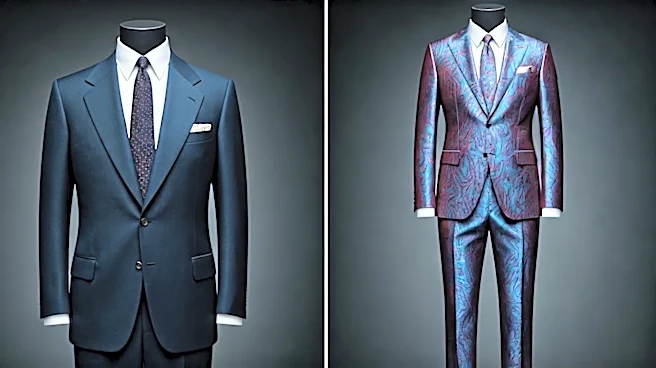
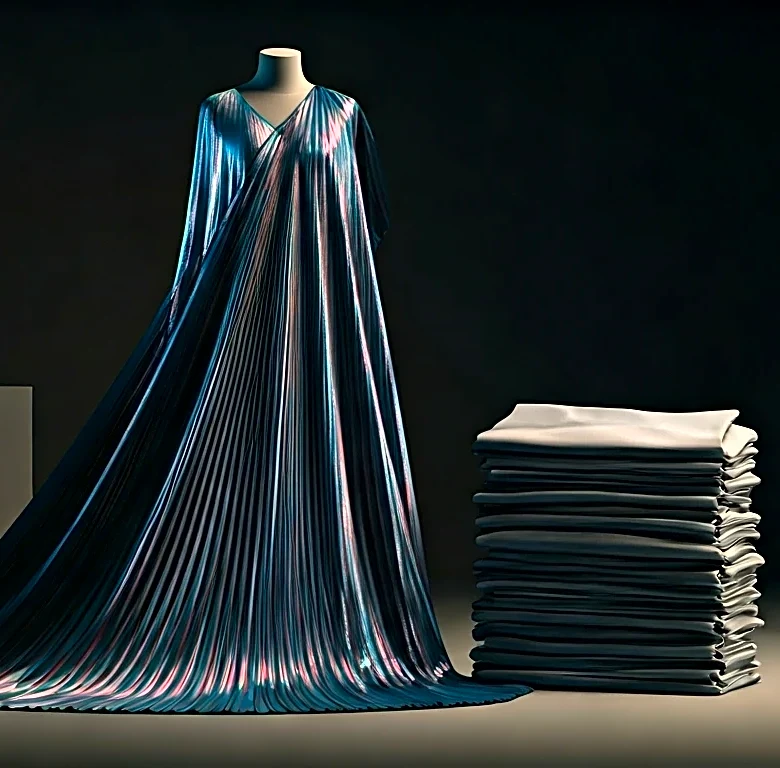
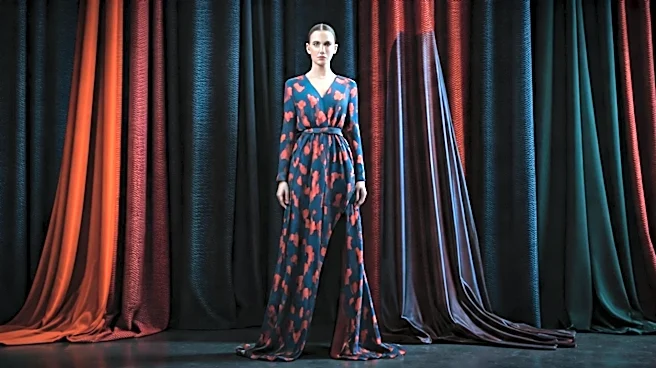
First, let’s get one thing straight: runway suiting is not designed for the real world, and it’s certainly not designed for a 6’8” power forward or a 250-pound linebacker. Fashion designers create runway looks as artistic statements, using models as living
hangers. The ideal runway physique is typically rail-thin, with narrow shoulders and a minimal drop—the difference between chest and waist measurement. This allows the fabric to hang in a specific, often severe, way. The suits are cut for drama and silhouette, not for movement, comfort, or accommodating a body built by years in the weight room. Trying to squeeze an athletic frame into a suit designed for a 19-year-old Belgian model is a recipe for disaster: pulled seams, constricted movement, and a look that screams ‘uncomfortable’.
The Athlete's Dilemma: Power and Proportion
An athlete’s body is a testament to power and function. It’s also a tailor’s biggest challenge. The classic V-shape—broad shoulders, a powerful chest and back, and a comparatively narrow waist—is the enemy of off-the-rack suiting. A jacket that fits across the shoulders will be a tent around the midsection. Trousers that accommodate muscular quads and glutes will be baggy and formless from the knee down. This is why so many draft prospects, despite being in peak physical condition, end up looking boxy or sloppy. They’re buying a suit based on their largest measurement, which throws the proportions of the entire garment out of whack. It’s a common mistake that turns a moment of triumph into a fashion faux pas, making a world-class athlete look like a kid playing dress-up in his dad's closet.
The Golden Rule: Shoulders First
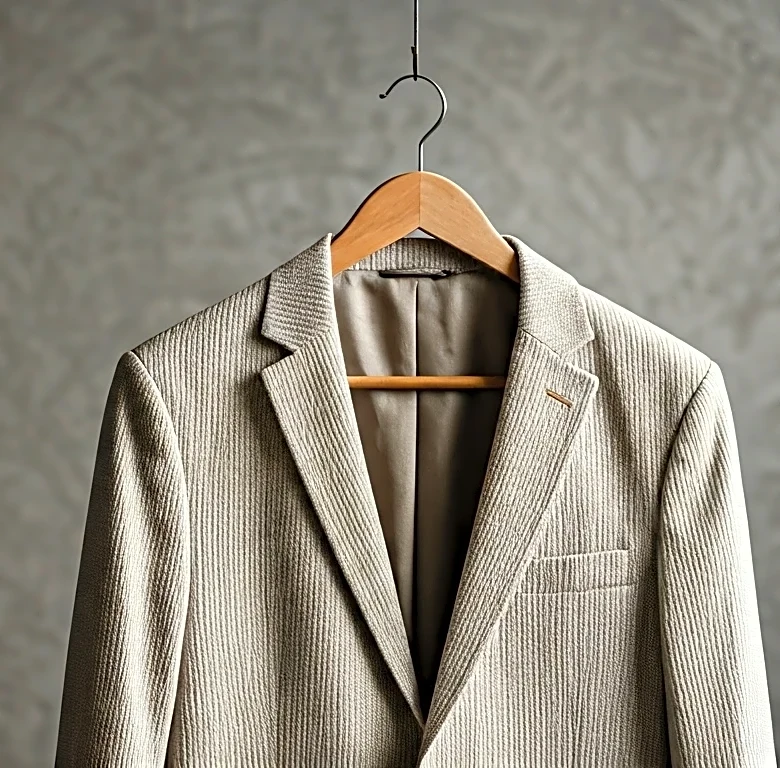
So, what’s the solution? It all starts with the shoulders. This is the one part of a suit jacket that is incredibly difficult for a tailor to alter. Unlike runway suits that often feature soft, unstructured shoulders, an athlete needs a suit with enough structure to create a clean line and support the jacket’s shape over their powerful frame. The seam of the jacket's shoulder should end precisely where the athlete's shoulder does. From there, everything else can be tailored. A skilled tailor can take in the waist significantly, creating a sharp, flattering V-shape that highlights the athletic build rather than hiding it. This is the fundamental difference: athlete suiting is about building a silhouette around the body, while runway suiting is about forcing the body into a pre-conceived silhouette.
Taper, Fabric, and Personality
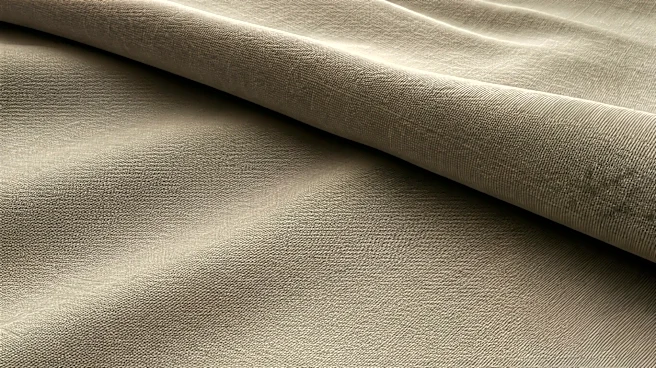
Once the jacket is handled, attention turns to the trousers and fabric. The baggy-thigh, floppy-ankle look is the fastest way to ruin a powerful stance. Athlete suiting demands a custom taper. The trousers must have enough room in the seat and thigh for comfort and movement, but then slim down from the knee to the ankle. This creates a clean, modern line that prevents the athlete from looking bottom-heavy. Fabric choice is also crucial. Many modern custom suits for athletes incorporate a small amount of stretch material (elastane or Lycra) into the wool. This provides essential flexibility without sacrificing the luxurious look and feel of a quality suit. It’s the secret weapon that allows for both a sharp fit and the ability to, say, hug your family without splitting a seam on national television.
Why Draft Night Demands Its Own Rules
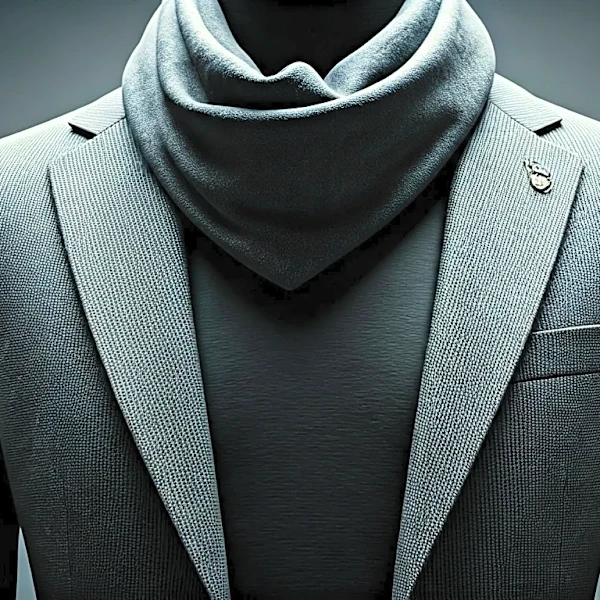
Draft Night is more than just a ceremony; it's the birth of a personal brand. The photos and clips from that night will be replayed for decades. It's the athlete's first introduction to the world not as a college player, but as a professional. A well-fitted suit communicates maturity, confidence, and an understanding that this is a business. It shows respect for the moment. Players can and should show personality through color, pattern, and accessories—think a bold lining, a meaningful lapel pin, or killer shoes. But those flourishes only work if the foundation—the fit—is flawless. The goal isn't to look like a fashion model. The goal is to look like the best possible version of yourself: a powerful, confident professional ready for the big leagues.