
The Birth of the Peacock
Twice a year, the global menswear industry descends on Florence, Italy, for Pitti Uomo, a historic trade show where brands present their upcoming collections to buyers and press. For most of its history,
what happened inside the fortress walls was the only story. But around the late 2000s, something new began to happen outside. Photographers like Scott Schuman (The Sartorialist) and Tommy Ton started documenting the incredibly well-dressed attendees milling about in the piazza. This was the birth of modern street style. Soon, a specific archetype emerged: the Pitti Peacock. These were men—editors, buyers, consultants, and aspiring influencers—dressed in an explosion of color and pattern. Think double-breasted blazers in canary yellow, mismatched checks and stripes, artfully unbuttoned shirts, and a profusion of accessories. It was a calculated, theatrical version of Italian *sprezzatura* (studied nonchalance), designed to catch a photographer’s eye. The goal wasn’t just to attend a trade show; it was to become part of the spectacle.
A Perfectly Timed Digital Phenomenon
The Peacock Era didn’t happen in a vacuum. It was a perfect storm of sartorial bravado and technological shifts. The rise of style blogs gave photographers a platform, and the subsequent explosion of Instagram in the early 2010s turned their photos into a global currency. Suddenly, an unknown brand consultant from Ohio could become “internet famous” for a week by wearing a sufficiently wild suit. Getting photographed at Pitti became a career move. The outfits became more and more elaborate, designed not for comfort or practicality but for maximum visual impact on a 4-inch phone screen. This feedback loop—dress loud, get photographed, gain followers, get invited back—created a fashion arms race. The clothes were no longer just clothes; they were content. The Peacock Era was the first great menswear movement of the social media age, and it proved that personal branding could be built on tailoring and a good pocket square.
The Inevitable Backlash and Fatigue
Like all trends built on novelty, the Peacock Era eventually became a victim of its own success. The term “peacock,” once a neutral descriptor, became a pejorative. The authenticity that made early street style so compelling had vanished, replaced by what felt like a costume party. Critics began to mock the performative nature of it all. Were these men really dressing for themselves, or were they just actors playing a part for an audience of cameras? The clothes looked incredible in a photo but often impractical and overwrought in real life. By the mid-2010s, a sense of fatigue had set in. The industry, and the men who followed it, started craving something more grounded, more real. The endless cycle of peacocking began to feel exhausting and, worse, a little bit silly. The pendulum was ready to swing back.
The New Sobriety: What Came Next
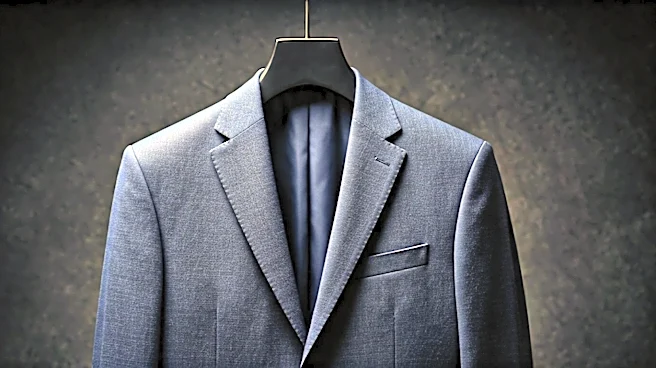
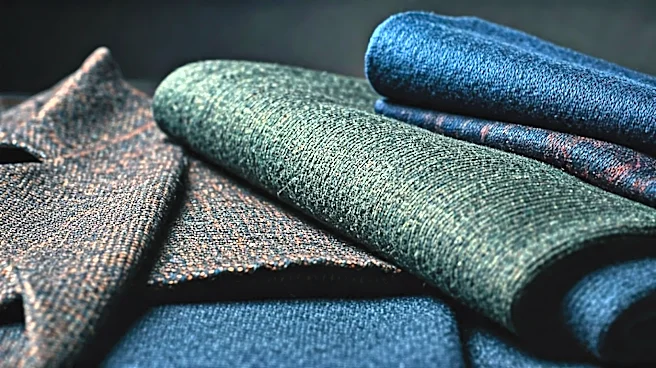
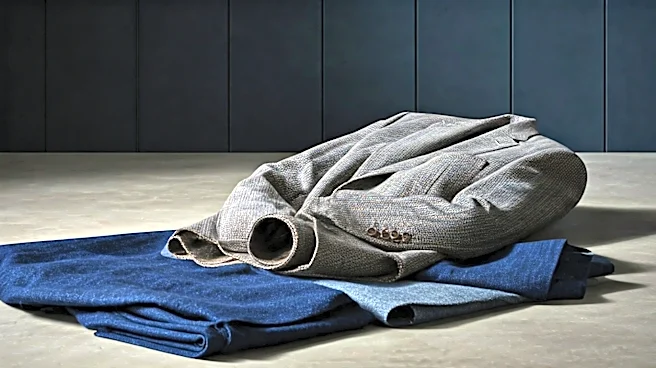
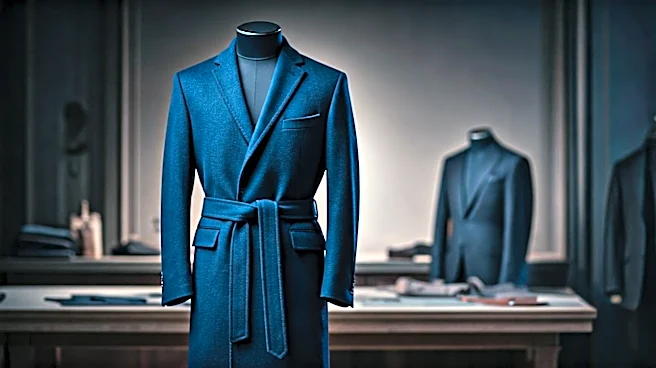
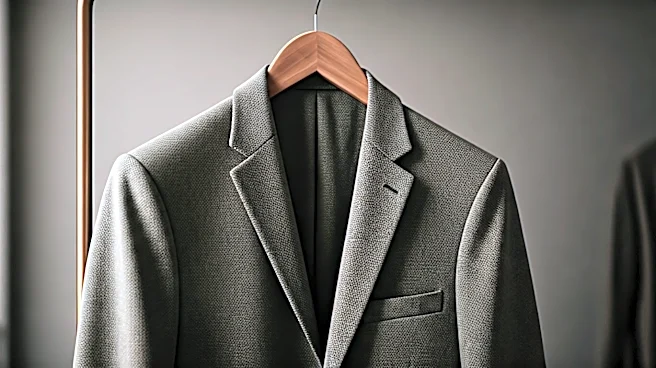
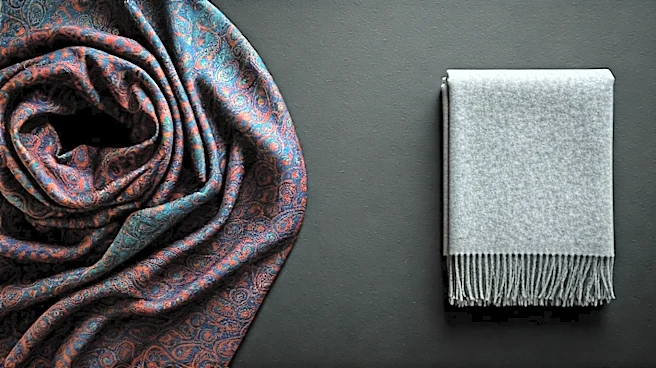
What replaced the Peacock is a style best described as “the new sobriety” or, in its more luxurious form, “quiet luxury.” The post-Peacock man at Pitti is still impeccably dressed, but the focus has shifted dramatically. Instead of shouting, his clothes whisper. The electric blues and screaming reds have been been replaced by a palette of earth tones: ecru, olive, brown, and charcoal. The emphasis is no longer on pattern but on texture and silhouette. You’ll see rich, tactile fabrics like cashmere, linen, and heavy wool. The tailoring is softer, more relaxed, and more comfortable—a clear influence from years of pandemic-era work-from-home life. It’s a style that looks good in person, not just in a photograph. It communicates taste and investment through cut, fabric, and fit rather than through loud statements. It’s a return to dressing for oneself, not for an algorithm.