



The Unique Challenge of Fine Hair
First, let’s be clear: “fine” hair refers to the diameter of each individual strand, not the density of hair on your head. You can have a lot of fine hair. Because each strand is thinner, it has a weaker internal structure (cortex) compared to coarse
hair. This makes it significantly more susceptible to two things: heat damage and being weighed down. A generic, scorching-hot blow dryer can blast the cuticle of a fine hair strand open, leading to moisture loss, breakage, and frizz. At the same time, because fine hair is less rigid, it’s easily overwhelmed by heavy products or even just the force of a powerful, unfocused gust of air, leaving it flat and lifeless.
The Technology That Makes a Difference
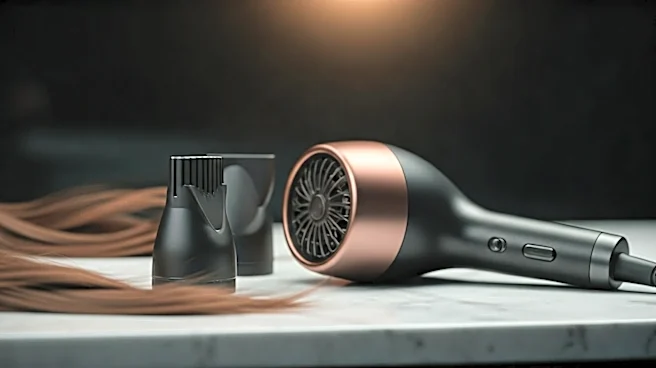
This is where the “best” blow dryers for fine hair separate themselves from the pack. It’s not about brand names; it’s about technology. The two most important features to look for are Ionic and Ceramic/Tourmaline technology. Ionic dryers emit negative ions that interact with the positive ions in wet hair. This interaction breaks up water molecules faster, reducing drying time. More importantly for fine hair, it helps seal the hair’s cuticle, locking in moisture, taming frizz, and creating a smoother, shinier finish without needing extreme heat. Ceramic and tourmaline components, which often coat the dryer’s internal parts, provide a gentler, more even heat source. They emit infrared heat that penetrates the hair shaft to dry it from the inside out, which is far less damaging than the direct, intense heat of older metal-coil dryers.
Rethinking Power and Wattage
There’s a persistent myth that a higher wattage automatically means a better blow dryer. For a professional stylist working through back-to-back clients, a high-wattage motor (1800W+) can speed things up. But for the fine-haired individual at home, raw power is less important than controlled power. A high-powered dryer without proper heat and airflow settings can be a disaster, creating a tangled, frizzy mess in seconds. Instead of focusing solely on wattage, look for a dryer that pairs decent power with excellent control. Your goal isn't to blast your hair into submission; it's to gently and efficiently style it.
The Non-Negotiable Settings
If you have fine hair, a blow dryer with only “High” and “Low” settings is your enemy. You need nuance. Look for a model with at least three heat settings (low, medium, high) and at least two speed settings. This allows you to start with medium heat and speed for general drying, then switch to low heat for styling delicate sections around your face. High heat should be used sparingly, if at all. The other critical feature is the cool shot button. This isn't a gimmick. A blast of cool air at the end of drying a section of hair rapidly cools it and locks the cuticle in place. This is the single best trick for setting volume at the roots and ensuring your style lasts all day.
Why Your Stylist Might Not Mention It
So why doesn't this come up more often at the salon? Stylists are masters of technique. They can often achieve a great blowout with almost any tool because they have years of experience controlling heat, tension, and airflow. Their focus is often on the cut, the color, and the styling products they use (and sell). They use professional-grade tools that already have these features baked in, so it might not occur to them to explain the technological differences to a client using a basic consumer model. They are selling their skill, not necessarily giving a hardware tutorial. But armed with this knowledge, you can bridge the gap between a salon blowout and your at-home reality.