

More Than Just a Lineup
Let's be honest: any promoter with deep enough pockets can book a slate of global superstars. What originally set ACL Fest apart when it launched in 2002 was its DNA. Born from the legendary PBS television show that helped cement Austin as the "Live Music
Capital of the World," the festival felt like a natural extension of the city's identity. The first lineup was a perfect example, mixing national acts with local heroes like Gary Clark Jr. and Asleep at the Wheel for just $25 a ticket. It wasn't trying to be Coachella or Lollapalooza; it was trying to be Austin in a park. That foundational spirit—a celebration of eclectic, authentic, and often local music—is the baseline against which the modern festival is inevitably judged. Without it, it’s just another massive show in a field.
The Zilker Park Magic
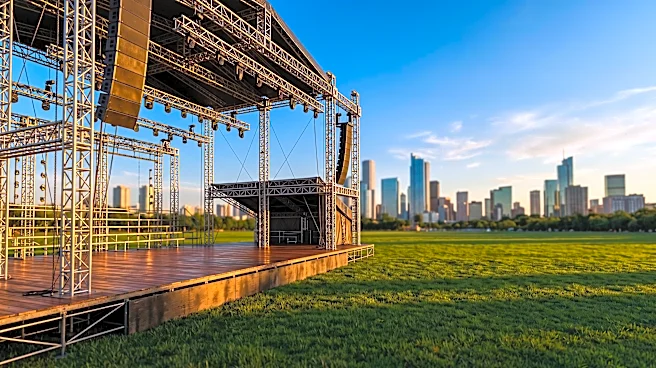
You can't separate the festival from its location. Unlike festivals relegated to remote farmlands or concrete parking lots, ACL happens in the city's public backyard. That matters. The view of the downtown skyline from the main lawn isn't just a backdrop; it’s a constant reminder that the event is part of a living, breathing city. This central location fosters a unique energy. The festival feels integrated, not isolated. You see locals picnicking just outside the gates, and the sounds of the show bleed into the surrounding neighborhoods. This connection to a shared civic space makes the experience feel less transactional and more communal. There are even discussions about whether the festival has outgrown the park, but moving it would fundamentally change its character, severing the physical link that makes it feel so uniquely Austin.
Local Flavor on the Menu
The fastest way to gauge a festival's soul is to check the food court. Is it a generic row of corn dogs and lemonade? Or is it a reflection of the local culinary scene? For years, ACL has excelled at the latter. The ACL Eats section is a microcosm of Austin's food truck culture, featuring beloved local staples from Chi'Lantro's kimchi fries to the iconic Mighty Cone, which was literally created for the festival in its early days. Likewise, the Art Market has historically provided a platform for local artisans to sell their wares directly to a massive audience, showcasing the city's creative spirit beyond music. These elements aren't just amenities; they are vital points of cultural connection. They ensure the festival feels like it’s from Austin, not just happening in it.
The Creeping Threat of Sameness
Here’s the tension: as ACL has grown into a global powerhouse, the pressure to standardize has mounted. It’s now owned by the same company that runs Lollapalooza, and at times, the lineups have felt interchangeable. Critics have pointed to a decline in genre diversity, with fewer of the country and rock acts that were once staples, and a growing reliance on the same handful of pop and indie artists playing every other major festival. More recently, concerns have emerged about the shrinking footprint of the local Art Market, a signal to some that the festival's unique creative texture is being smoothed over for a more streamlined, less distinct experience. When the lineup could be in Chicago or Manchester and the vendors are all national brands, the festival loses the very thing that made it special.