





The Power of the Blank Canvas
First, let's talk about the space itself. The 'white cube' gallery isn't just a room painted white; it's a deliberate, almost philosophical concept. Coined by artist and critic Brian O'Doherty in 1976, the term describes a space designed to be as neutral
as possible. With its stark white walls, unobtrusive lighting, and lack of ornamentation, the gallery is meant to eliminate all distraction. The goal, pioneered by institutions like New York's Museum of Modern Art, is to create an environment where the art can be viewed without the context of elaborate architecture or decor. This creates a sort of vacuum, a pristine backdrop where anything placed within it is instantly elevated and becomes the sole focus of attention. The space itself recedes, allowing the object—or in this case, the person—to command the room.
Clothing as Wearable Architecture
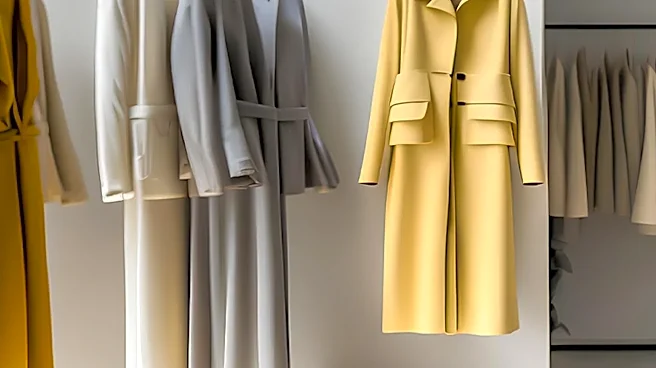
Now, consider the clothes. Oversized tailoring isn't about wearing something that's simply too big. It's a style defined by intentional volume, structure, and silhouette. Think of the sculptural coats and precise trousers from brands like The Row or the influential work of designers like Phoebe Philo. These aren't just garments; they are exercises in form. The focus is on the architecture of the piece: the sharp line of a shoulder, the generous drape of a heavy wool, the way a sleeve is cut to create a specific shape. This approach treats fabric not as decoration, but as a structural material, much like an architect uses concrete or steel. The resulting clothes have a strong, clean, and almost minimalist presence. They create their own space around the body, emphasizing form and function over fussy details.
A Dialogue Between Form and Space
Here's where the magic happens. When you place architectural clothing inside an architectural space designed for neutrality, a powerful dialogue begins. The gallery's 'negative space'—the vast, empty air—acts as a natural frame. Against the quiet backdrop of the white walls, the clean lines, deliberate volume, and rich texture of the oversized tailoring become incredibly pronounced. The wearer is no longer just a person in a room; they become a piece of moving sculpture, a study in form and silhouette. The structural integrity of the clothing mirrors the clean geometry of the gallery, creating a seamless aesthetic harmony. The minimalist ethos of 'form follows function' applies to both the building and the blazer. It’s a pairing where each element amplifies the other’s core principles.
The Psychology of Understated Confidence
Beyond the visual synergy, there's a certain attitude this combination projects. Oversized tailoring conveys a sense of ease and authority. It’s a look that is powerful without being loud, stylish without being trendy. In the hushed, contemplative atmosphere of an art gallery, this brand of understated confidence feels perfectly at home. The clothing suggests an appreciation for design, quality, and form—the very same principles celebrated in the art on the walls. It signals a discerning eye, someone who understands that true luxury isn't about logos, but about perfect cut and beautiful material. The look is intellectual, poised, and intentionally restrained, making the wearer appear not just as a visitor to the art world, but as an intrinsic part of it.