






Germany: The Final Boss
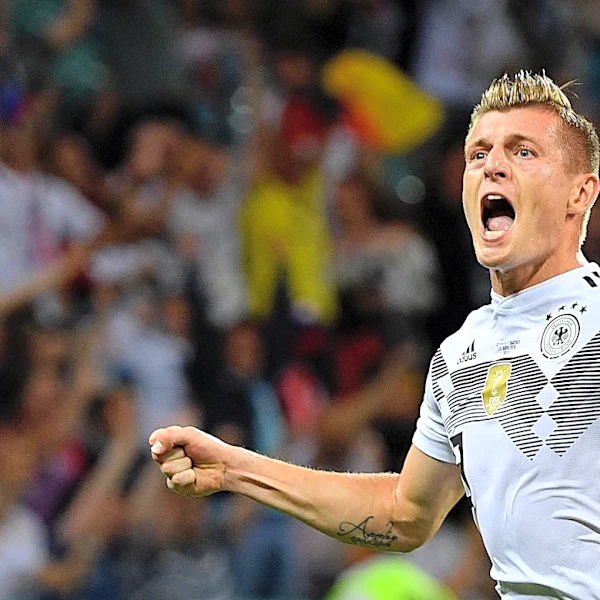
No nation has inflicted more World Cup heartbreak on Argentina than Germany. This rivalry is defined by high-stakes finals that have delivered both ultimate glory and crushing despair. The two sides have met in three World Cup finals, more than any other
pairing in the tournament's history. In 1986, Diego Maradona's Argentina triumphed 3-2 in a thrilling match at the Estadio Azteca. After going up 2-0, Argentina was stunned by a late German comeback, only for Jorge Burruchaga to score a late winner from a brilliant Maradona pass. Revenge for Germany was swift. Four years later, in the 1990 final in Rome, a cynical and ill-tempered match was decided by a late penalty, giving West Germany a 1-0 victory. But the most painful chapter for Argentina came in 2014. In the final at the Maracanã in Brazil, Lionel Messi’s side battled Germany for 113 goalless minutes before Mario Götze’s extra-time volley broke Argentine hearts, securing Germany’s fourth World Cup. Before that, Germany had also eliminated Argentina in the 2006 and 2010 quarterfinals, cementing their status as Argentina's ultimate tournament nemesis.
England: The Hand of God and Bad Blood
If Germany is Argentina's World Cup foil, England is its bitter, drama-filled rival. The animosity goes beyond the pitch, colored by the 1982 Falklands War, which made their 1986 quarterfinal clash in Mexico a deeply emotional and politically charged event. That match produced two of the most famous goals in soccer history, both from Diego Maradona. The first was the infamous “Hand of God,” where Maradona punched the ball into the net, a goal he later called “symbolic revenge.” The second, just four minutes later, was the “Goal of the Century,” a dazzling 60-yard run where he dribbled past five English players to score. The rivalry has never cooled. In 1998, a young Michael Owen scored a wonder goal before David Beckham was famously sent off after a subtle kick at Diego Simeone, with Argentina advancing on penalties. In 2002, Beckham got his redemption, scoring the winning penalty in a group stage match. It’s a rivalry built on controversy, iconic moments, and cultural friction.
The Netherlands: A Clash of Styles
The rivalry with the Netherlands is a tactical and philosophical battle. It began in 1974 when Johan Cruyff's legendary “Total Football” side dismantled Argentina 4-0. Argentina got its revenge four years later, winning the 1978 World Cup final on home soil against the Dutch in a confetti-filled Estadio Monumental. The match, won 3-1 in extra time, gave Argentina its first-ever World Cup title but was held under the shadow of the country's military dictatorship. Their modern clashes have been defined by excruciating tension. The 1998 quarterfinal was won by a moment of genius from Dennis Bergkamp in the 90th minute. The 2014 semifinal and the 2022 quarterfinal both ended 0-0 and 2-2 respectively, with Argentina advancing only after dramatic penalty shootouts. The 2022 match, nicknamed the "Battle of Lusail," was particularly heated, featuring a record number of yellow cards and confrontations that showed just how deep the competitive fire runs between these two soccer powers.
Brazil: The Superclásico of Nations
While many of Argentina's fiercest rivalries are with European nations, its oldest and most profound is with its continental neighbor, Brazil. The “Superclásico de las Américas” is a battle for South American supremacy. While they have only met four times in the World Cup, the weight of their history hangs over every encounter. Brazil got the better of Argentina in 1974 and 1982. Argentina’s most celebrated World Cup victory against the Seleção came in 1990. Brazil dominated the match, but a moment of Maradona magic set up a goal for Claudio Caniggia, sealing a 1-0 win. The match is still controversial in Brazil due to the “holy water” incident, where Brazilian player Branco allegedly drank from a water bottle laced with tranquilizers by the Argentine staff. Though less frequent on the World Cup stage, the constant battle for the Copa América and bragging rights makes this the foundational rivalry for both football-obsessed nations.