


The World-Builder
When a show presents a complex, unfamiliar world, the opening credits often serve as your orientation. The most famous modern example is Game of Thrones. Its Emmy-winning title sequence is a soaring flight over a clockwork map of Westeros and Essos. The sequence isn’t
static; it evolves each episode to reflect the narrative's shifting geographical focus, showing viewers exactly where the tangled plotlines are unfolding. This type of intro doesn't just list names; it builds a universe. By immersing you in the geography and scale of the world, it tells you that place and power are central to the story. It’s a promise that the setting isn't just a backdrop but a character in its own right, crucial for understanding the sprawling conflict to come.
The Vibe-Setter
Some intros aren't about geography but psychology. Think of Succession. Its theme song, a blend of classical piano and gritty hip-hop beats, plays over a montage of grainy home-video footage of a wealthy family, juxtaposed with crisp shots of modern-day New York City. The sequence doesn't explain the plot. Instead, it communicates a feeling: the cold, distorted nostalgia of a powerful and deeply broken family. The out-of-tune piano and dissonant chords create a sense of unease, suggesting that something is fundamentally wrong beneath the surface of immense privilege. This choice signals that the show you’re about to watch is a character study, a deep-dive into the corrosive effects of power and legacy, where mood and subtext are everything.
The Cold Open and Title Card
Then there are the shows that throw you directly into the action. The cold open, a scene that occurs before any credits, is a classic television technique designed to hook you immediately. It’s a staple of sitcoms like The Office and Brooklyn Nine-Nine, where the pre-credits scene often functions as a standalone joke. In dramas, it serves a different purpose. Breaking Bad famously used cold opens that were often cryptic, teasing a climactic moment you'd spend the rest of the episode waiting for. This approach—action first, title second—tells you the series prioritizes immediacy and forward momentum. It suggests a story so urgent it can’t afford a lengthy preamble, relying on suspense and narrative velocity to keep you watching.
The Evolving Narrative
A more recent innovation is the title sequence that changes to reflect the show's narrative arc. While Game of Thrones changed its map, other shows alter their entire aesthetic. WandaVision offered a masterclass in this, with each episode's opening credits mimicking a different era of the American sitcom, from the black-and-white 1950s to the mockumentary style of the 2000s. This wasn’t just a gimmick; it was the central mystery of the show. Similarly, the credits for The Walking Dead literally decayed over its 11 seasons, with the logo becoming dirtier and more broken, mirroring the world's collapse. When a show’s credits evolve, it signals that the series is self-aware and its storytelling extends even to its title card, rewarding attentive viewers with an extra layer of narrative.
The Anthem and the Algorithm
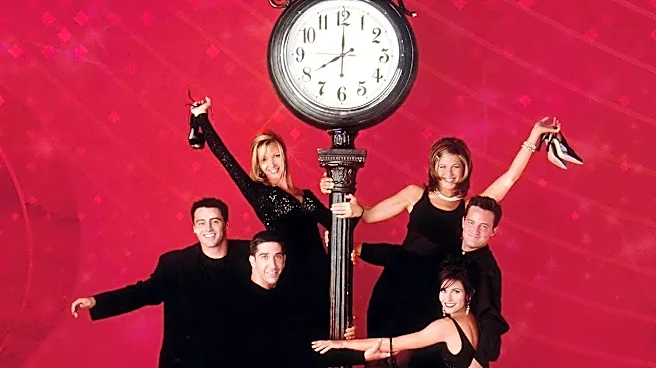
The rise of the “Skip Intro” button was a direct response to modern viewing habits, designed to maintain momentum during a binge-watch. On an average day, the button is reportedly pressed over 136 million times. This algorithmic convenience has, however, demoted the classic theme song—the sing-along intro of shows like Friends or Cheers that helped define a generation of television. Those anthems were designed to be communal, a weekly appointment that set the tone. Their primary function was to create a consistent, welcoming, and memorable gateway into the show's world. Today, the choice to feature a prominent, unskippable (for a time) theme song often signals a show rooted in an older, more traditional television format, one built for weekly viewing rather than an all-night stream.