
The Unspoken Rules of the Button
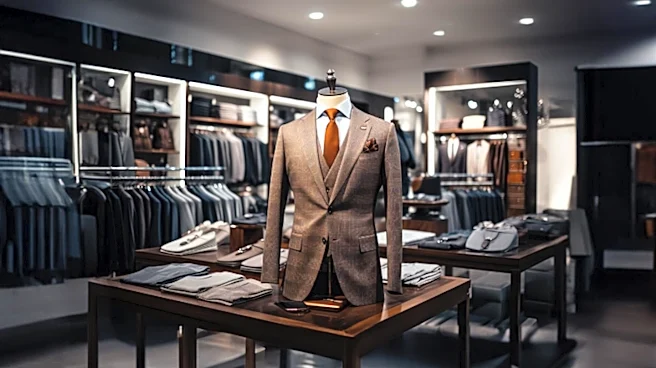
Before breaking a rule, you have to understand it. The buttoning etiquette for a man's blazer is surprisingly specific and serves as a quiet signal that you 'get it'. For a two-button jacket, the rule is 'always, never'—fasten the top button when standing,
but never the bottom one. For a three-button, it's 'sometimes, always, never,' referring to the top, middle, and bottom buttons respectively. This isn't just arbitrary; jackets are tailored with this in mind. The cut is designed to flare slightly over the hips, and fastening that bottom button pulls the fabric, creating an awkward, strained silhouette. Unbuttoning completely is usually reserved for sitting down to avoid creasing. To intentionally walk around with a blazer open is to fly in the face of decades of sartorial tradition.
Day 1-2: The Awkward Adjustment Period
The first couple of days felt… wrong. Heading out in a crisp navy blazer over a dress shirt and chinos, my hand reflexively went to fasten the top button as soon as I stood up. I had to consciously stop myself. It felt sloppy, like I’d forgotten a crucial step in getting dressed. An open blazer flaps in the wind and lacks the sharp, cinched-waist silhouette that a buttoned jacket provides. It felt less like a deliberate style choice and more like a mistake. I found myself constantly readjusting, pulling the lapels together, feeling exposed and a little disheveled. The initial confidence boost you get from putting on a blazer was diminished, replaced by a nagging sense of being 'undone.'
Day 3-4: The Practicality Problem
By midweek, the practical implications became clear. A brisk autumn wind was my worst enemy. While a buttoned blazer acts as a decent shield against a chill, an open one is purely decorative, offering little in the way of warmth or protection. Getting in and out of my car became a minor slapstick routine of managing flapping fabric. At a coffee shop, the corner of the blazer snagged on a door handle. These are minor annoyances, but they highlight the functional purpose that a simple button serves. The open blazer demands more casual pairings; it simply doesn't work with formal trousers. It looks best with jeans, chinos, or even over a fine-gauge turtleneck, where the entire look is meant to be relaxed.
Day 5-6: The ‘Sprezzatura’ Revelation
Something shifted around day five. The initial awkwardness gave way to a new feeling: intentional nonchalance. This is the core of the Italian concept of 'sprezzatura'—a kind of studied carelessness that makes style look effortless. By leaving the blazer open, I was forced to pay more attention to the layer underneath. A crisp t-shirt or a patterned shirt, normally just a sliver of visible fabric, became the main event. The open jacket created a more relaxed, vertical line that felt less corporate and more approachable. It looked less like I was wearing a uniform and more like I had thrown on a jacket as a finishing touch. This wasn't sloppiness; it was a conscious choice to be at ease. It turns out, looking like you're not trying too hard sometimes requires a little bit of effort.
Day 7: The Final Verdict
On the final day, I wore an unstructured wool blazer over a simple crewneck sweater and dark jeans. It felt completely natural. The open blazer had become a tool for a different kind of style—one built on layering and a relaxed silhouette. The experiment revealed a new rule: an open blazer only works when the rest of the outfit supports the casual statement. A structured, padded-shoulder blazer worn open can look awkward, as if it’s missing its other half. But a softer, unstructured jacket worn open can function more like a sophisticated cardigan, adding polish without stiffness. It’s a move that’s more about attitude than adherence to old-school rules.